 Save to Pinterest
 My neighbor handed me a container of tabbouleh on a sweltering July afternoon, and I remember being struck by how something so simple could taste like sunshine and fresh air in a bowl. The first bite hit different—crisp, bright, herbaceous—and I realized I'd been eating salads all wrong my whole life. Within days I was hunting down fresh mint at the farmer's market, standing in my kitchen with bulgur steaming in a bowl, trying to recreate that exact feeling. It's become my go-to when I want to feel lighter but still satisfied, and honestly, it's hard to mess up once you understand the basic rhythm of it.
I made this for a potluck where everyone brought heavy casseroles and rich dips, and watching people's faces light up when they tasted something fresh and alive was honestly the highlight of my week. One friend went back for thirds and asked if it had some secret ingredient—it doesn't, just respect for the vegetables and herbs themselves. That moment taught me that sometimes the simplest food is the most memorable, especially when it shows up unexpectedly in a sea of heavier options.
Ingredients
- Fine bulgur wheat: The fine grind matters because it hydrates quickly and stays tender without becoming mushy, unlike coarser varieties that can feel grainy even when fully cooked.
- Boiling water: This is crucial—cold water won't properly soften the bulgur, so don't skip heating it or your salad will have a crunchy, unpleasant texture.
- Ripe tomatoes: Use whatever's in season because underripe tomatoes will taste thin and disappointing; if you can't find good ones, honestly consider using high-quality canned tomatoes instead.
- Cucumber: Seeding it prevents the salad from becoming waterlogged and watery after sitting, which I learned the hard way on my first attempt.
- Scallions: The white and light green parts have more flavor than you'd expect, so don't discard them just because they're not as visually striking as the darker greens.
- Fresh flat-leaf parsley: This isn't optional—curly parsley has a different texture and flavor that won't give you the same brightness; the volume might seem excessive, but it's the hero of this dish.
- Fresh mint: Use it generously; this is where the salad gets its cooling, almost meditative quality that makes it feel special.
- Extra virgin olive oil: A good one makes an audible difference here since there's no cooking to mellow out raw olive oil's personality.
- Fresh lemon juice: Bottled won't cut it—fresh lemon brings an alive quality that bottled juice simply cannot replicate, and it's worth the 30 seconds to squeeze them yourself.
- Garlic: One small clove is the right amount; more and you'll overpower the delicate herb flavors, turning it into garlic salad with herbs on the side.
- Salt and pepper: Fine sea salt dissolves better than kosher salt in the dressing, and freshly ground pepper matters more here than in almost any other recipe.
Tired of Takeout? 🥡
Get 10 meals you can make faster than delivery arrives. Seriously.
One email. No spam. Unsubscribe anytime.
Instructions
- Hydrate the bulgur gently:
- Pour that boiling water directly over the bulgur, cover it with a bowl or plate, and step away for 10 to 15 minutes—the steam does all the work, and you'll know it's ready when the grains are tender and the water has disappeared. The waiting is the hardest part, but rushing this step by using lukewarm water or less time will leave you with a crunchy, disappointing salad.
- Cool everything down:
- Let that bulgur come to room temperature before adding the fresh ingredients; if it's still hot when you add tomatoes and herbs, the heat will start breaking down the delicate flavors and you'll lose that bright, crisp quality. This is a good moment to prep your vegetables if you haven't already.
- Combine your vegetables and herbs:
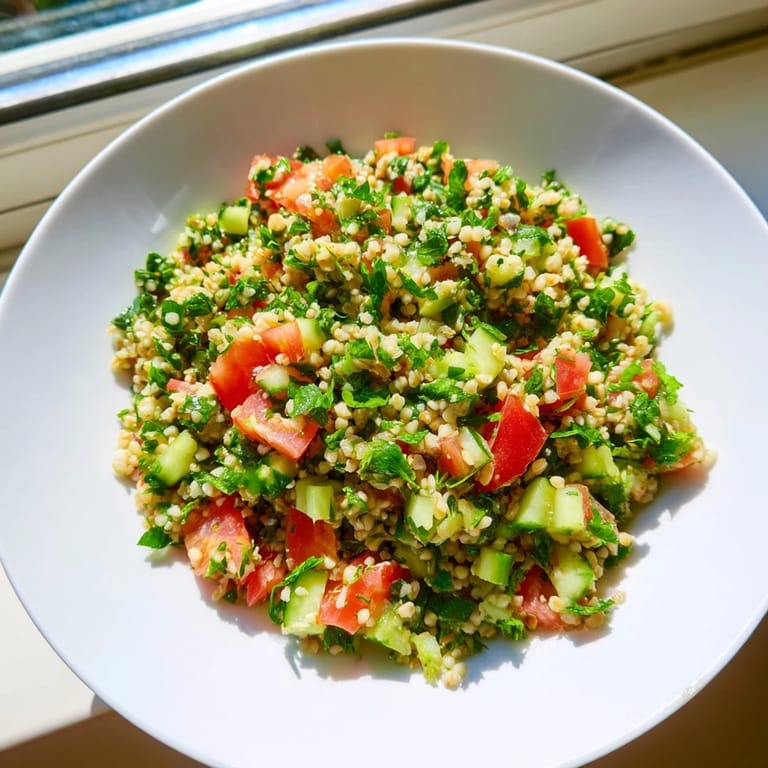
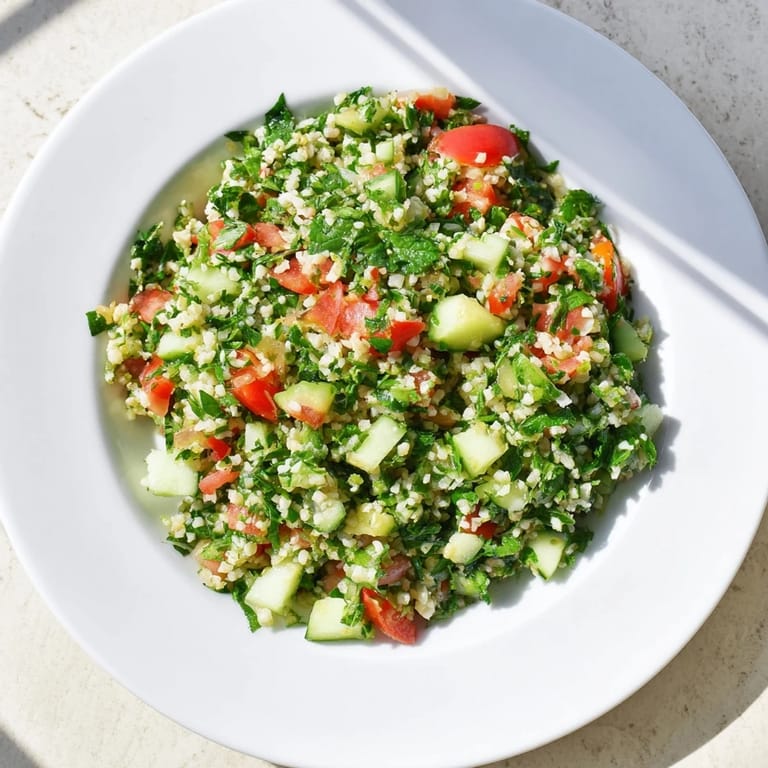
- Toss the cooled bulgur with tomatoes, cucumber, scallions, parsley, and mint, and don't be shy about the amounts—this salad is supposed to be herb-forward and generous. The tomato juice will start mingling with everything, so mix gently to avoid bruising the tomatoes.
- Build your dressing with intention:
- Whisk the olive oil, lemon juice, minced garlic, salt, and pepper together in a small bowl until the salt dissolves and everything looks cohesive. Taste it on its own before adding it to the salad—it should be bright and lemony with a smooth richness from the oil, almost like a warm hug in liquid form.
- Marry the flavors together:
- Pour the dressing over everything and toss with gentle hands, letting each grain of bulgur get coated without crushing the vegetables. This is the moment where all the separate elements become a unified whole.
- Let it rest and chill:
- Refrigerate for at least 20 minutes so the bulgur can absorb the dressing and flavors can settle and deepen into something more complex than the sum of their parts. The cold also brings out the brightness of the lemon and herbs in a way that room temperature versions simply cannot match.
 Save to Pinterest
 This salad appeared at my table during a phase when I was trying to eat lighter and feel healthier, but the real magic was realizing that eating well doesn't require deprivation or boredom. Every time I make it now, whether for myself alone or for a crowd, there's this quiet satisfaction in chopping herbs and knowing that something this simple is going to taste unforgettably good.
How to Choose Your Herbs
The herbs are genuinely half the battle here, so seek them out at farmers markets if you can where they're still dewy and haven't been sitting under fluorescent lights for days. Fresh herbs make a visual and flavor difference that's almost shocking—dull supermarket parsley will give you a completely different dish than vibrant, aromatic bunches from someone who actually grew them. If you have access to a garden or even a few pots on a windowsill, growing your own parsley and mint is worth it just for mornings when you can grab exactly what you need.
Timing and Temperature Considerations
This salad actually tastes better cold, so don't feel rushed to serve it immediately after making it—in fact, that resting time in the fridge is when the real transformation happens. The cold brings out subtleties that room temperature versions miss, and the chill makes each bite feel more refreshing. If you're serving it to guests, make it a few hours ahead so you're not standing in the kitchen while everyone's waiting, and it gives you time to taste and adjust seasoning if needed.
When to Improvise and When to Stay Strict
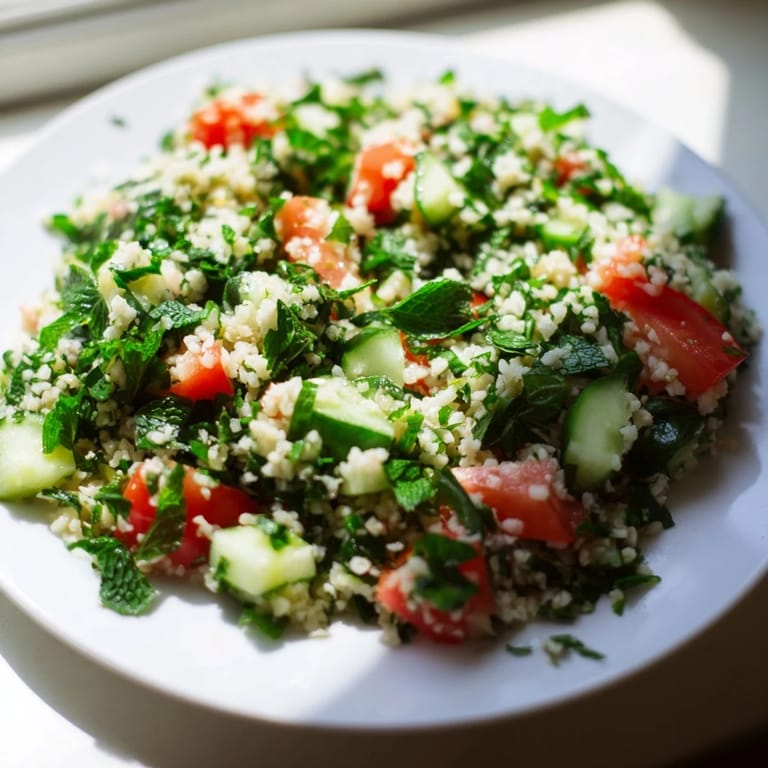
The foundation of bulgur, herbs, lemon, and olive oil is non-negotiable if you want the classic tabbouleh experience, but everything else is honestly fair game for seasonal adjustments and personal preference. I've added pomegranate seeds in the fall when they're perfect, crumbled feta in summer when I'm feeling richer, and roasted red peppers when I wanted extra sweetness and color. Here are some variations that genuinely work without losing the soul of the dish:
- Pomegranate seeds add a burst of tartness and an elegant visual pop that makes people think you worked harder than you actually did.
- Roasted red peppers bring warmth and sweetness that deepens the flavor profile while still keeping everything fresh-tasting.
- Crumbled feta or goat cheese adds richness and tang that transforms it from light salad into something substantial enough for a main course.
 Save to Pinterest
 This is one of those recipes that gets better the more you make it because you start trusting your own palate instead of following instructions like scripture. Make it your own, trust your instincts with seasoning, and remember that the best food happens when you cook with intention and joy.
Recipe Questions
- → Can I make tabbouleh ahead of time?
Yes, tabbouleh actually improves when made ahead. Prepare it up to 4 hours in advance and refrigerate. The flavors deepen as the ingredients meld together. Just give it a gentle toss before serving and adjust seasoning if needed.
- → What's the best way to prepare the fresh herbs?
Wash and thoroughly dry the parsley and mint to prevent excess moisture. Finely chop them by hand just before assembling to preserve their vibrant color and fresh flavor. Avoid using a food processor, which can bruise the delicate leaves.
- → Can I substitute the bulgur wheat?
Absolutely. Cooked quinoa works wonderfully for a gluten-free option and provides excellent protein. Finely milled millet or couscous are also suitable alternatives. Use the same quantity as bulgur and adjust liquid as needed.
- → How do I get the right lemon-to-salt balance?
Start with the suggested amounts, then taste and adjust gradually. Add more lemon juice for brightness or a pinch more salt to enhance the herb flavors. Remember that chilling intensifies all flavors, so be conservative with seasoning initially.
- → What vegetables can I add for variation?
Pomegranate seeds add sweetness and texture, diced red peppers bring color, and crumbled feta adds creamy richness. Radishes, bell peppers, or diced avocado also complement the salad beautifully without overwhelming the fresh herb profile.