 Save to Pinterest
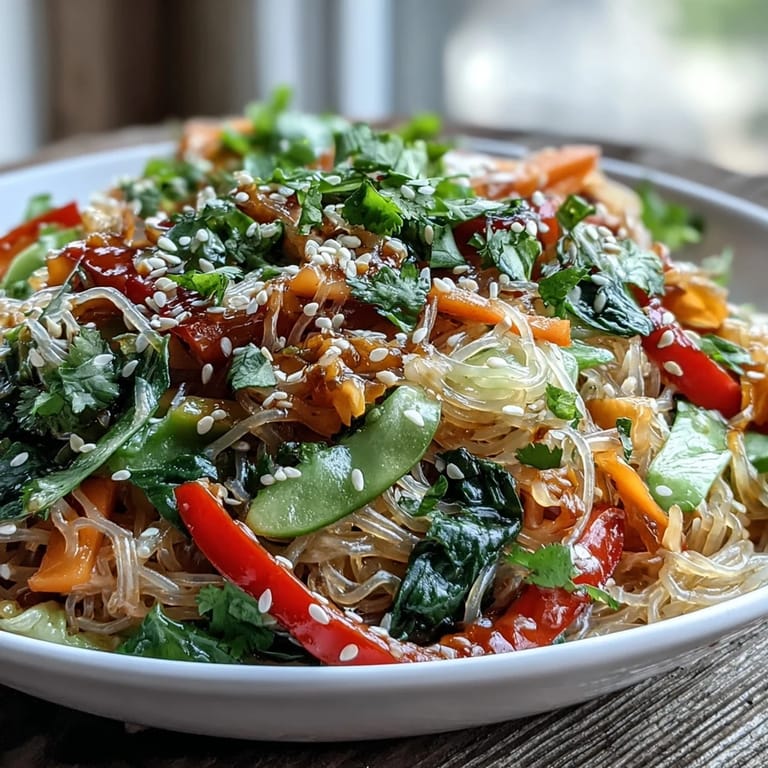
 Finding a meal that is both incredibly light and satisfyingly flavorful can be a challenge, but this Shirataki Noodle Bowl hits every mark. These translucent, low-carb noodles act as a perfect canvas for a zesty ginger-infused sauce and a rainbow of crisp Asian vegetables, making it an ideal choice for a quick lunch or a healthy weeknight dinner that doesn't skimp on taste.
Save to Pinterest What sets this dish apart is the aromatic ginger sauce that coats every strand. By combining tamari with fresh ginger, garlic, and a hint of sesame oil, you create a savory depth that balances perfectly with the natural sweetness of the carrots and the crispness of the snow peas.
Ingredients
Tired of Takeout? 🥡
Get 10 meals you can make faster than delivery arrives. Seriously.
One email. No spam. Unsubscribe anytime.
- Noodles: 400 g shirataki noodles (drained and rinsed)
- Vegetables: 1 cup bok choy (sliced), 1/2 red bell pepper (thinly sliced), 1/2 cup snow peas (trimmed), 1 medium carrot (julienned), 2 green onions (thinly sliced)
- Ginger Sauce: 2 tbsp tamari or gluten-free soy sauce, 1 tbsp rice vinegar, 1 tbsp toasted sesame oil, 1 tbsp fresh ginger (finely grated), 1 garlic clove (minced), 1 tsp maple syrup (optional), 1/2 tsp chili flakes (optional)
- Garnish: 1 tbsp toasted sesame seeds, fresh cilantro or basil leaves (optional)
Instructions
- Step 1: Prepare the Noodles
- Prepare the shirataki noodles by draining, rinsing under cold water, and boiling for 2 minutes. Drain well and pat dry with paper towels.
- Step 2: Mix the Sauce
- In a small bowl, whisk together tamari, rice vinegar, sesame oil, ginger, garlic, maple syrup, and chili flakes to make the sauce.
- Step 3: Stir-Fry the Base
- Heat a large non-stick skillet or wok over medium-high heat. Add the carrot, bell pepper, and snow peas. Stir-fry for 2–3 minutes until just tender.
- Step 4: Add Greens
- Add the bok choy and green onions; stir-fry for another 1–2 minutes.
- Step 5: Combine and Heat
- Add the drained shirataki noodles to the pan, pour the ginger sauce over, and toss everything together. Cook for 2–3 minutes until noodles are heated through and vegetables are crisp-tender.
- Step 6: Serve
- Divide between bowls. Garnish with toasted sesame seeds and fresh herbs if desired.
Zusatztipps für die Zubereitung
To ensure the best texture for your shirataki noodles, do not skip the boiling and drying steps. Removing the excess moisture allows the noodles to better absorb the savory ginger sauce rather than diluting it. Using a fine grater or microplane for the fresh ginger will ensure it integrates smoothly into the sauce without large woody bits.
Varianten und Anpassungen
This bowl is highly adaptable. You can easily substitute the vegetables for what you have on hand, such as broccoli, mushrooms, or snap peas. For an extra boost of protein, consider topping the dish with grilled tofu, tempeh, or even cooked shrimp if you do not require the dish to be vegan.
Serviervorschläge
Serve the noodles immediately while piping hot. For a final touch of brightness, add a squeeze of fresh lime juice just before serving. The citrus acidity cuts through the richness of the sesame oil and enhances the heat of the chili flakes.
 Save to Pinterest
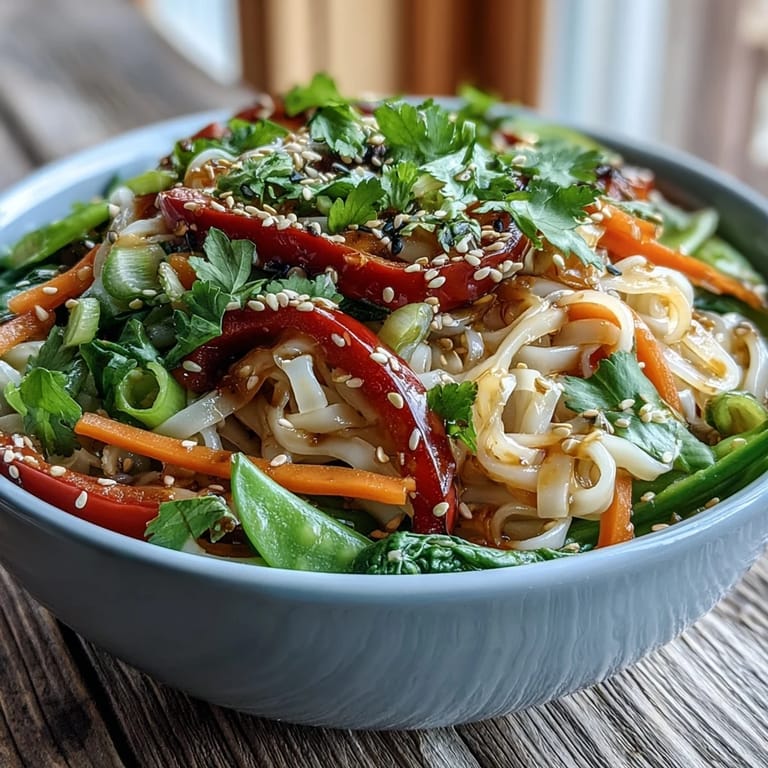
 With its vibrant colors and bold Asian-fusion flavors, this Shirataki Noodle Bowl proves that healthy eating doesn't have to be complicated. Whether you are following a low-carb lifestyle or simply looking for a fresh, vegetable-packed meal, this quick dinner is sure to satisfy.
Recipe Questions
- → What do shirataki noodles taste like?
Shirataki noodles have a very mild, neutral taste on their own, which makes them perfect for absorbing flavors from sauces and seasonings. Their texture is slightly gelatinous but becomes more appealing when properly prepared through rinsing, boiling, and dry-roasting in a hot pan.
- → Why are shirataki noodles so low in calories?
Shirataki noodles are made from konjac yam, which contains glucomannan, a soluble fiber that passes through the digestive system largely undigested. This natural fiber content makes them virtually calorie-free while still providing bulk and helping you feel satisfied.
- → Can I prepare shirataki noodles in advance?
Yes, you can rinse and prepare shirataki noodles up to 2 days ahead. Store them in an airtight container in the refrigerator with a little water to prevent sticking. When ready to use, simply drain and proceed with your recipe.
- → What vegetables work best in this bowl?
The recipe highlights vegetables that maintain crunch when quickly stir-fried, like bok choy, bell peppers, snow peas, and carrots. Other excellent options include broccoli florets, snap peas, sliced mushrooms, shredded cabbage, or bean sprouts.
- → How can I add more protein to this bowl?
This bowl becomes more substantial with the addition of plant-based proteins like crispy baked tofu, tempeh, or edamame. If not following a vegan diet, grilled shrimp, sliced chicken, or a soft-boiled egg are excellent protein-rich toppings.
- → Is this sauce spicy?
The chili flakes provide optional gentle heat that complements the ginger without overpowering the dish. For more spice, increase the chili flakes or add sliced fresh chilies. For a completely mild version, simply omit the chili altogether.