 Save to Pinterest
 There's something almost meditative about watching buckwheat groats transform from tiny, pale kernels into something warm and toothsome. I discovered them by accident one rainy morning when my usual oats were gone, and I found this unmarked bag in the back of the cupboard. Twenty minutes later, I had the most satisfying breakfast I'd eaten in months, and honestly, I haven't looked back since.
I made this for a friend who'd just gone gluten-free, and watching her face light up when she realized she could actually have a proper hot breakfast was worth the five minutes of prep time alone. She now texts me photos of her buckwheat bowls from her kitchen, and somehow that's become our thing.
Ingredients
- Buckwheat groats: Make sure you're buying the hulled variety (the white kernels), not the roasted kasha, unless you want a deeper color and more robust flavor.
- Water: This ratio is key, so don't skip measuring it out properly.
- Salt: Just a pinch brings out the natural nuttiness without making the bowl taste salty.
- Mixed nuts: Toast them lightly if you have time, and rough-chop so you get actual texture with each bite.
- Fresh fruit: Whatever's in season where you are will taste best, and the contrast between cold fruit and warm groats is part of the magic.
- Honey or maple syrup: Optional, but a drizzle really does finish the bowl if your fruit isn't quite sweet enough.
- Cinnamon: A whisper of this warms the whole thing up, especially on cold mornings.
- Milk: Plant-based works beautifully here, creating a creamy texture that pools around the groats.
Tired of Takeout? 🥡
Get 10 meals you can make faster than delivery arrives. Seriously.
One email. No spam. Unsubscribe anytime.
Instructions
- Rinse those groats:
- Cold water running over them until the water runs clear, which removes any dust or debris. It only takes a minute, but it makes a real difference in the final texture.
- Combine and bring to heat:
- Water, groats, and salt in your saucepan over medium-high until you see a rolling boil. Listen for that moment when the steam picks up and the surface starts dancing.
- Lower the heat and simmer gently:
- Cover with a lid and turn it down to low, letting it bubble quietly for 10 to 12 minutes. The groats will absorb the water gradually, becoming tender and revealing that wonderful nutty grain flavor.
- Rest and fluff:
- Let it sit covered for five minutes after removing from heat, then take a fork and gently separate the grains. You'll see how fluffy they become.
- Divide into bowls:
- Spoon the warm buckwheat into serving bowls, still steaming, ready for whatever toppings you've chosen.
- Top and finish:
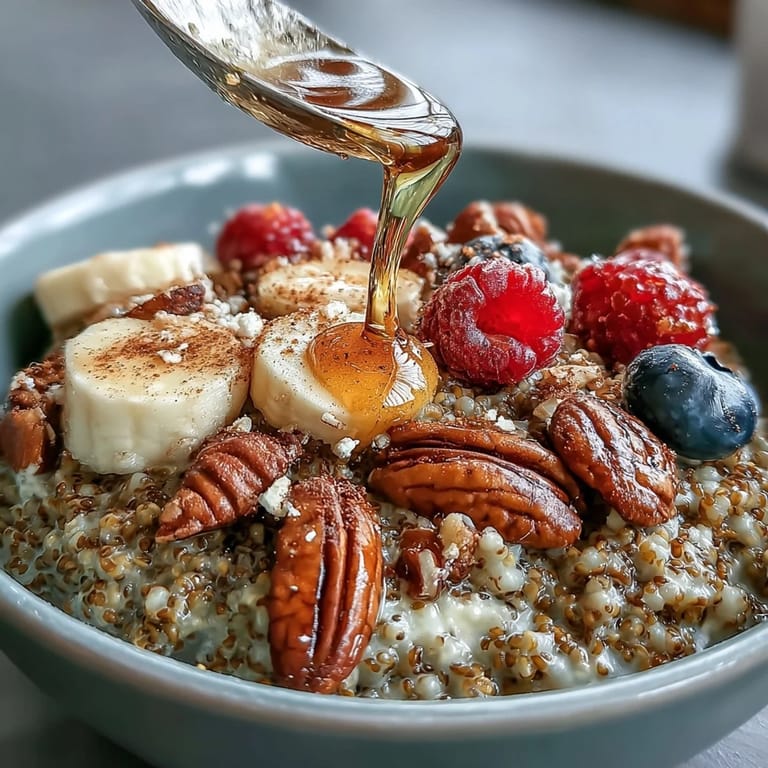
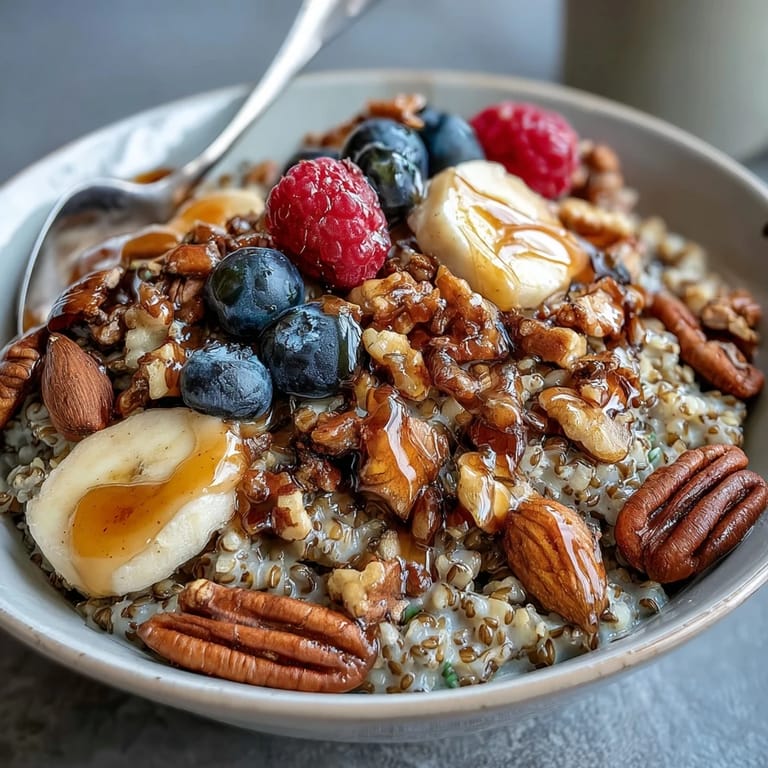
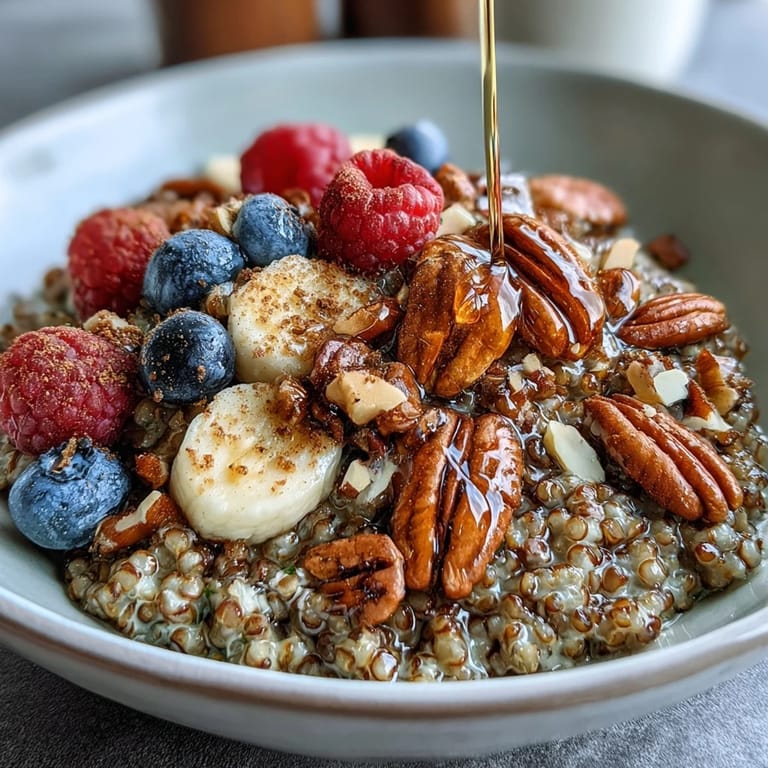
- Scatter your nuts and fruit over the groats, drizzle with syrup if you're using it, sprinkle cinnamon, and pour a little milk around if you like. The warmth of the groats will slightly soften the fruit while keeping the nuts crisp.
 Save to Pinterest
 My neighbor smelled this cooking one morning and came over asking what I was making, and by the end of the week she'd bought buckwheat groats and we were comparing our breakfast bowls. It became a quiet ritual on Sunday mornings, something simple that connected us.
Why Buckwheat Groats Deserve a Spot in Your Pantry
Buckwheat isn't wheat at all, which means it's naturally gluten-free and works beautifully for anyone avoiding grains for health reasons. The flavor is subtle but distinctive, with a slight earthiness that doesn't announce itself until you actually taste it, and there's something deeply satisfying about serving breakfast from something so whole and unprocessed. I keep a bag on my shelf at all times now, nestled between the oats and the millet, because mornings when I reach for it always feel a little less rushed.
Building Your Own Topping Combinations
The beauty of this breakfast is that it works as a canvas for whatever's happening in your kitchen that morning. I've done it with roasted stone fruits in summer, sliced persimmons in fall, and just chopped apple with a handful of hazelnuts on a Tuesday in March. The combinations are genuinely endless, and there's a real pleasure in opening your refrigerator and assembling something that reflects what you actually have rather than following a rigid recipe.
Making This Work for Your Lifestyle
Cook a bigger batch on Sunday and portion it out for weekday mornings, reheating each serving gently with a little splash of milk stirred in. The cooked groats keep beautifully in the refrigerator, and you'll always have a proper breakfast waiting instead of reaching for something processed. This is the kind of meal that tastes even better when you've got it ready to go, hot and comforting before you've had your first coffee.
- Fresh toppings will stay crisp if you add them just before eating rather than the night before.
- Experiment with toasted buckwheat (kasha) if you want a richer, deeper flavor and don't mind the darker color.
- Keep a small jar of mixed nuts in your pantry so you're never caught without something crunchy to scatter on top.
 Save to Pinterest
 This breakfast has become my answer to mornings when everything feels uncertain, because there's real comfort in something this simple and nourishing. Make it once and you'll understand why it's become the bowl I return to again and again.
Recipe Questions
- → What do buckwheat groats taste like?
Buckwheat groats have a mild, earthy flavor with subtle nutty undertones. When cooked, they become tender and fluffy, similar to oatmeal but with a distinctively robust taste that pairs well with both sweet and savory toppings.
- → Do buckwheat groats need to be soaked before cooking?
Soaking isn't required, but rinsing thoroughly under cold water helps remove any debris and improves the final texture. Simply rinse, drain, and cook directly in water for perfectly tender groats in about 12 minutes.
- → Is buckwheat gluten-free?
Yes, despite its name, buckwheat is completely gluten-free. It's actually a fruit seed related to rhubarb, not wheat, making it an excellent grain alternative for those avoiding gluten.
- → Can I prepare this breakfast in advance?
Absolutely. Cooked buckwheat groats refrigerate well for up to 4 days. Reheat with a splash of milk or water to restore creaminess, then add fresh toppings just before serving for the best texture and flavor.
- → What's the difference between buckwheat groats and kasha?
Kasha is roasted buckwheat, which has a deeper, toastier flavor and reddish-brown color. Raw buckwheat groats are light tan and milder in taste. Both work beautifully in this breakfast preparation.