 Save to Pinterest
 There's something about the sizzle of ground turkey hitting a hot wok that makes me feel like I'm cooking something special, even on a Tuesday night when I'm exhausted from work. My neighbor mentioned she'd been craving Korean food but didn't want to order takeout again, so I started experimenting with what I had on hand—ground turkey, some gochujang sitting in my fridge, and dried ramen. That first attempt was messy and a bit chaotic, but when we ate it straight from the skillet while standing at the counter, she said it tasted like the real thing, just faster and honestly better.
I made this for my sister when she visited last spring, and she ate three portions before asking for the recipe—which hardly ever happens because she's usually too polite to be that honest. We were standing in my tiny kitchen, the smell of sesame oil and gochujang filling every corner, and she kept stealing bites straight from the wok with a chopstick. By the time we sat down, half the noodles were already gone, and we just laughed at how quickly it all disappeared.
Ingredients
- Ground turkey: This is your protein backbone, and it absorbs the Korean sauce beautifully because it's so lean and mild—don't use frozen if you can help it, as fresh turkey breaks apart more evenly when you're stir-frying.
- Fresh or dried wheat noodles: Udon or ramen work perfectly here, and I prefer fresh noodles because they have a tender chew that dried ones can't quite match, though both will deliver in a pinch.
- Shredded carrots: They add sweetness and texture, plus they stay slightly crisp even when tossed with hot sauce, which matters more than you'd think.
- Red bell pepper: The color is beautiful, but more importantly it brings a gentle sweetness that balances the spicy heat of the gochujang.
- Napa cabbage: This is the secret ingredient that makes the dish feel complete—it wilts down just enough to add body without turning mushy, and it carries the sauce in a way that denser vegetables can't.
- Green onions: Use them twice, once in the stir-fry and again as garnish, because the cooked ones lose their sharp bite and the fresh ones at the end remind you of brightness.
- Soy sauce: The foundation of your sauce, providing saltiness and umami depth that makes everything taste more intentional.
- Gochujang: This Korean chili paste is where the magic lives—it's spicy but fruity, thick but flexible, and it's what separates this from just any noodle dish.
- Sesame oil: Use the good stuff, toasted, because a little bit goes a long way and it transforms the entire flavor profile with nutty warmth.
- Brown sugar: Just a touch to balance the heat and saltiness, creating a sauce that feels complete instead of one-dimensional.
- Garlic and ginger: These are freshly minced and grated for a reason—they wake up the sauce and prevent it from tasting flat or canned.
- Rice vinegar: The acidity keeps everything bright and prevents the sauce from being too heavy, especially important when you're combining it with noodles.
- Toasted sesame seeds: The final garnish that adds crunch and nutty flavor, making you feel like you actually finished a proper meal instead of just throwing things together.
Tired of Takeout? 🥡
Get 10 meals you can make faster than delivery arrives. Seriously.
One email. No spam. Unsubscribe anytime.
Instructions
- Make your sauce first:
- Whisk together soy sauce, gochujang, sesame oil, brown sugar, minced garlic, rice vinegar, and grated ginger in a small bowl. This takes maybe two minutes, and doing it early means you're not scrambling later when the heat is on.
- Cook the noodles:
- Follow the package instructions exactly, then drain and rinse under cold water until they're completely cool—this stops them from cooking further and keeps them from clumping together. If you skip the rinsing step, you'll end up with a sticky, gluey mess that won't toss properly.
- Brown the turkey:
- Heat a large skillet or wok over medium-high heat with just a light drizzle of oil, then add your ground turkey. Break it apart with a spatula as it cooks, and listen for that moment when it stops smelling raw and starts smelling savory—that's your signal that it's ready, usually 4 to 5 minutes.
- Build your vegetable layers:
- Start with the onion, carrots, and bell pepper, stir-frying them for 2 to 3 minutes until they start to soften but still have some snap to them. Then add the cabbage and keep everything moving for another 2 minutes, letting the heat wilt it just slightly.
- Bring it all together with sauce:
- Pour your prepared sauce over the turkey and vegetables, tossing constantly so everything gets coated evenly. The sauce will smell incredible at this moment, slightly spicy and deeply savory, and you'll know you're close.
- Introduce the noodles:
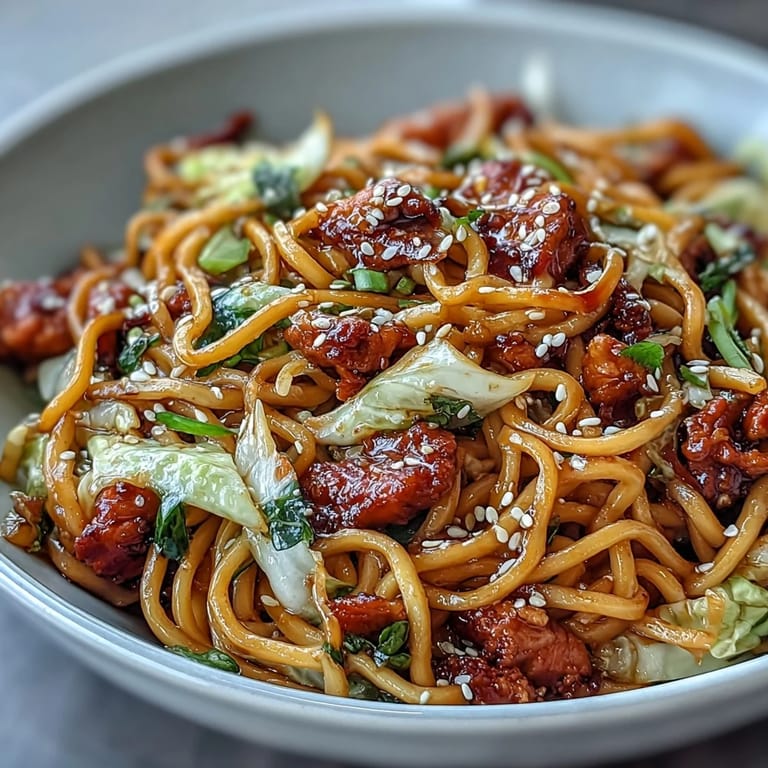
- Add your cooked, cooled noodles to the skillet and toss everything together for another 2 to 3 minutes. The noodles should soak up the sauce and turn glossy, and you want the whole dish to feel cohesive, not like separate components.
- Finish with style:
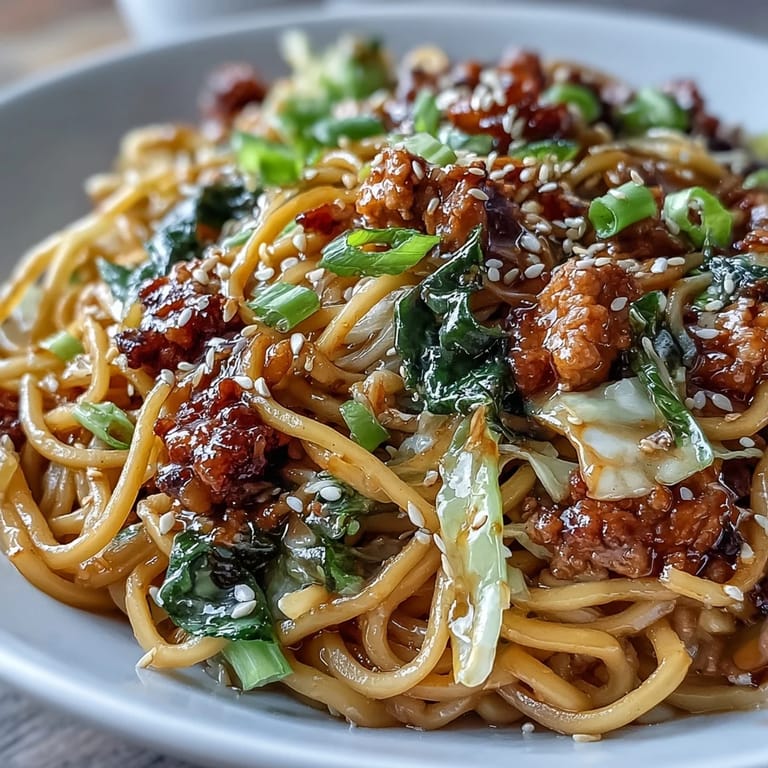
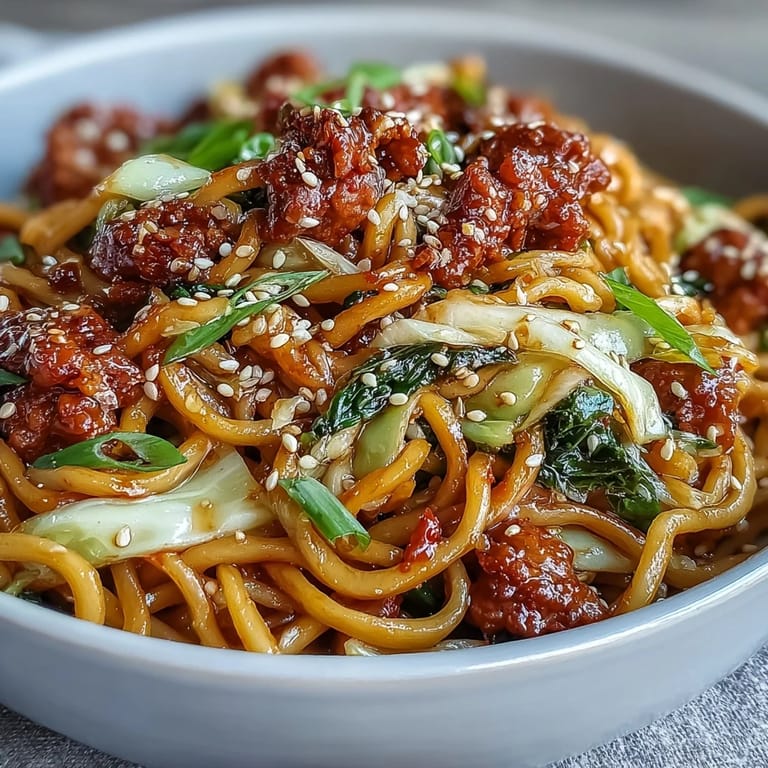
- Remove from heat and scatter toasted sesame seeds and extra green onions across the top, which adds both flavor and the visual satisfaction that makes you want to eat it immediately.
 Save to Pinterest
 This dish became a staple in our house not because it's fancy or complicated, but because it proved that you don't need hours in the kitchen or obscure ingredients to eat something that genuinely tastes like you put thought and care into it. Now when someone asks me what's for dinner, this is the first thing I suggest when I'm short on time but unwilling to sacrifice flavor.
Why This Works as a Weeknight Dinner
The beauty of this dish is that it respects your time while refusing to compromise on taste—ground turkey cooks faster than chunks of meat, noodles cook in minutes, and vegetables need just enough heat to be tender without falling apart. I used to think quick meals had to taste rushed, but this recipe taught me that speed and satisfaction aren't mutually exclusive if you build your flavors properly upfront through that sauce.
Making It Your Own
Once you understand the skeleton of this dish, you can improvise based on what's in your refrigerator and what you're craving that particular day. I've made it with shredded chicken when I was out of turkey, swapped in bok choy for cabbage when that's what I had, and even added a handful of frozen peas for color and sweetness. The gochujang-sesame-soy sauce combination is flexible enough to carry whatever vegetables you choose.
Pairing and Serving Suggestions
Serve this straight from the wok if you're eating casually at home, or transfer it to a nice serving bowl if you're feeding guests and want it to look intentional. A cold beer or chilled glass of water cuts through the richness beautifully, and if you have any left over, it reheats surprisingly well in a hot skillet for lunch the next day. One small thing that makes a difference: finish plating with those fresh green onions and sesame seeds every single time, because those garnishes are what make people feel like they're eating something special instead of leftovers.
- A crisp lager or chilled soju pairs perfectly and doesn't compete with the spice and umami.
- Leftovers stay delicious for up to three days if stored in an airtight container, and they actually taste better as the flavors marry overnight.
- For a lighter meal, serve smaller portions alongside a simple cucumber salad or pickled vegetables for extra brightness.
 Save to Pinterest
 This recipe changed how I think about ground turkey—no longer just something lean and practical, but actually exciting when treated with intention. It's become the dish I reach for when I want to feed people something that tastes restaurant-quality but doesn't require me to spend my evening in the kitchen.
Recipe Questions
- → What type of noodles work best for this dish?
Fresh or dried wheat noodles such as udon or ramen are ideal, as they hold up well to stir-frying and absorb the sauce flavors effectively.
- → Can other proteins be used instead of ground turkey?
Yes, ground chicken or beef can be substituted for turkey, offering variations in flavor and texture while maintaining the dish's essence.
- → How can I add heat to the dish?
Incorporate extra gochujang or a sprinkle of gochugaru (Korean chili flakes) during sauce preparation for an added spicy kick.
- → Is there a gluten-free option available?
Use gluten-free tamari in place of soy sauce and substitute rice noodles for wheat noodles to make a gluten-free version.
- → What garnish complements the flavors best?
Toasted sesame seeds and extra sliced green onions provide a nutty crunch and fresh brightness, enhancing the overall taste.