 Save to Pinterest
 My first batch of Turkish köfte came together almost by accident one evening when I found myself with ground lamb, a box of bulgur, and a handful of fresh mint that needed using. A friend had mentioned these meatballs casually over coffee weeks before, but the recipe didn't stick until my hands were in the bowl, feeling the mixture come alive with each squeeze and fold. There's something about the way bulgur absorbs warmth and softens that transforms simple ground meat into something with real character and bounce.
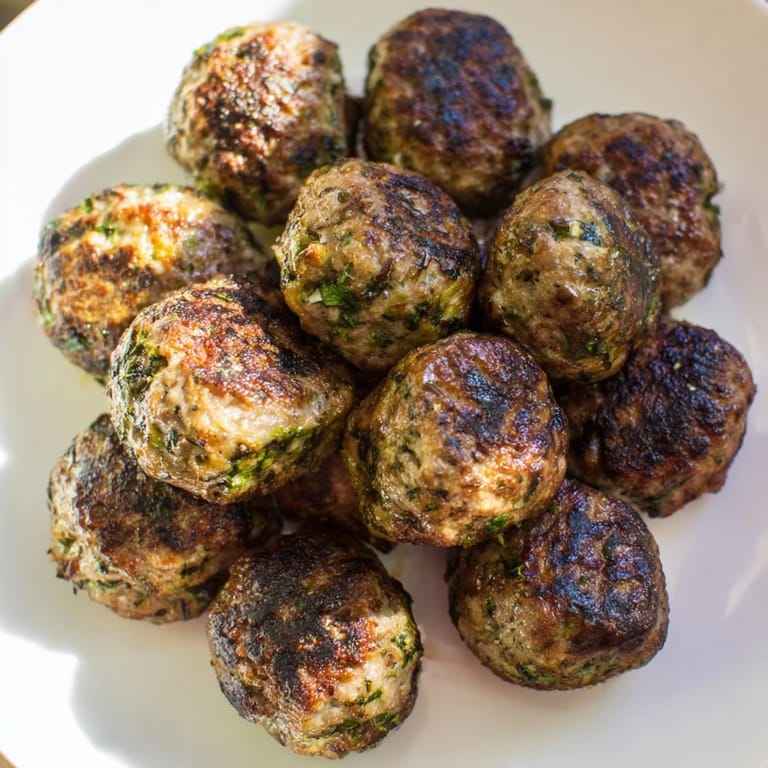
I made these for my neighbor's impromptu dinner party last spring when plans fell through and I needed something warming but light. She stood in my kitchen watching them sizzle in the pan, their edges turning that perfect burnished gold, and said they smelled like she was traveling. That's when I realized köfte aren't just food—they're a shortcut to somewhere warmer, louder, more alive than an ordinary Tuesday night.
Ingredients
- Ground beef or lamb (500 g): A mix of both gives the best flavor complexity, though pure lamb tastes more authentically Turkish and has a slightly gamier depth that works beautifully here.
- Fine bulgur (100 g): This isn't just filler—it acts like a sponge that keeps everything moist and tender, and brings a subtle nutty background flavor that rounds out the spices.
- Small onion, finely grated (1): Grating instead of chopping releases the onion's juice, which binds everything together and keeps the meatballs from drying out.
- Garlic, minced (2 cloves): Fresh garlic is non-negotiable here because it becomes mellow and sweet when cooked, not sharp.
- Fresh parsley (2 tbsp): The green backbone of the whole dish—don't even think about skipping it or using dried.
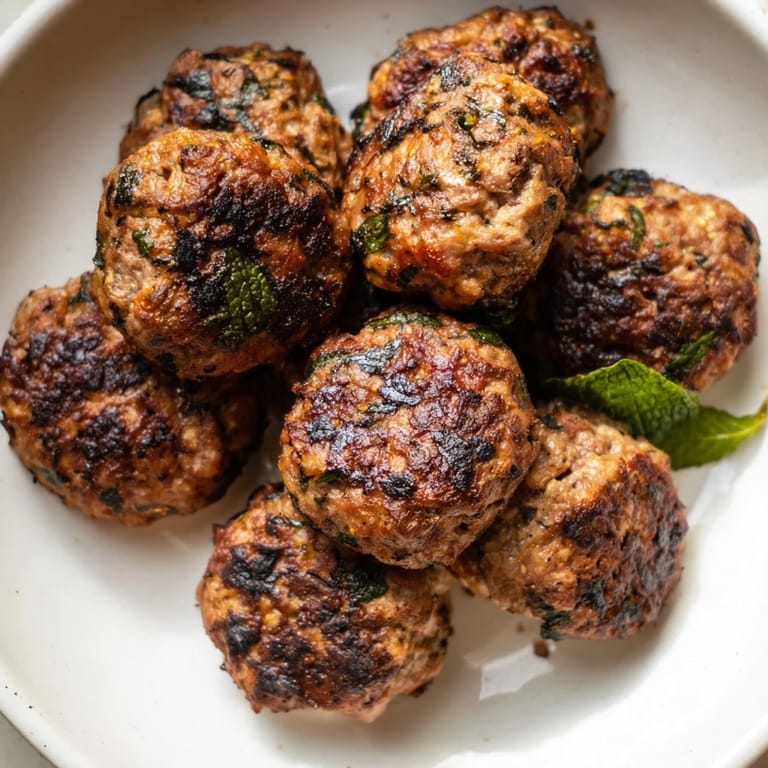
- Fresh mint (1 tbsp, or 1 tsp dried): Fresh mint gives brightness and an unexpected cooling lift, though dried works when fresh isn't available.
- Ground cumin (1 tsp): Cumin is the signature spice here—warm, slightly earthy, and instantly recognizable as Turkish.
- Paprika (1 tsp): Choose a good quality paprika because it carries the flavor foundation; Hungarian sweet paprika works beautifully.
- Black pepper (½ tsp): Freshly ground makes a real difference in both taste and texture.
- Chili flakes (½ tsp optional): A gentle warmth that doesn't overpower, only use if you like a whisper of heat.
- Salt (1 tsp): Don't reduce this—it seasons the whole mixture evenly and helps everything bind.
- Large egg (1): The egg is what holds everything together during cooking; skip it and they'll fall apart.
- Olive oil (2–3 tbsp): Use something you'd actually taste because you will taste it—cheap oil makes everything taste hollow.
Tired of Takeout? 🥡
Get 10 meals you can make faster than delivery arrives. Seriously.
One email. No spam. Unsubscribe anytime.
Instructions
- Soften the bulgur:
- Pour the bulgur into your bowl and cover it with 3 tablespoons of warm water, then set a timer for 10 minutes. You'll watch it plump up and absorb the water completely—this is essential because it hydrates the bulgur before mixing, ensuring even texture throughout.
- Combine everything:
- Add the meat, grated onion, garlic, fresh herbs, spices, salt, and egg to the softened bulgur. This is where you need clean hands and a little patience.
- Mix with intention:
- Squeeze and fold the mixture with your hands for about 2 minutes until everything looks evenly distributed and slightly sticky to the touch. You're not kneading bread—you're creating enough cohesion that the meatballs hold together without becoming dense.
- Shape with damp hands:
- Wet your hands with cold water before forming each meatball, about the size of a walnut or golf ball. The moisture keeps the mixture from sticking to your palms and helps create a smoother surface.
- Choose your cooking method:
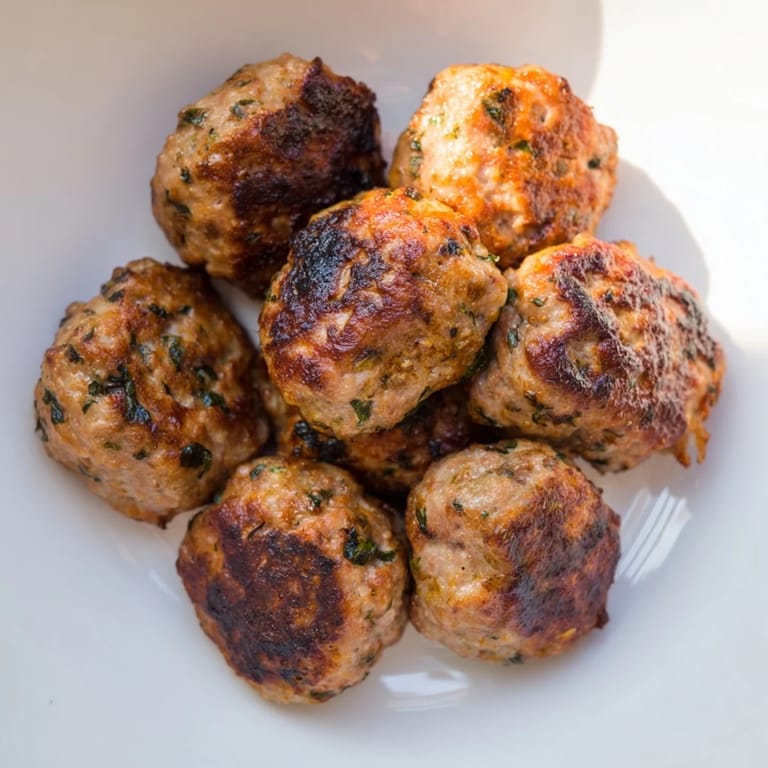
- For pan-frying, heat olive oil over medium heat and cook in batches for 3–4 minutes per side until the outside is deep golden and the inside reads 160°F on an instant-read thermometer. For grilling, preheat to medium-high, oil the grates, and grill for 3–4 minutes per side until charred and cooked through.
- Rest and serve:
- Let them cool for 2 minutes before eating so the outside sets properly. Serve hot with rice, flatbread, fresh salad, or a dollop of yogurt sauce.
 Save to Pinterest
 There was a moment while making these for my sister's birthday dinner when I realized I'd forgotten the mint, and I almost stopped to run out and get some. Instead, I found a forgotten sprig in the back of my vegetable drawer, bruised and tired but still fragrant. Those meatballs turned out to be my best batch yet—sometimes imperfection and improvisation create something better than what you originally planned.
Why These Meatballs Feel Different
Most meatballs are dense and heavy, but köfte have an almost springy texture that comes from the bulgur and the balance of herbs. The first time you bite into one and that mixture of flavors—cumin, mint, the slight sweetness of the onion—hits at once, you understand why these are eaten across Turkey and the Levant not as an appetizer or something to fill space on a plate, but as a main event worthy of celebration. They're simple enough for a weeknight, but elegant enough that you don't feel like you're cutting corners when you serve them.
Cooking Methods and What Each One Gives You
Pan-frying creates a deeper, more caramelized exterior because the meatballs sit in direct contact with hot oil and develop those crispy, flavorful edges that make you want to eat them faster than you should. Grilling adds a subtle smoky char and feels more festive, especially if you're cooking for a crowd and want that theatrical moment of flames and sizzle. Both methods work beautifully—it really depends on whether you're cooking for comfort on a Tuesday or trying to impress someone on a Saturday. If you're grilling, make sure your grates are clean and well-oiled, or the outside will stick and split before it cooks through.
Serving and Stretching This Meal
Köfte taste best hot, but they're surprisingly good at room temperature too, which makes them perfect for lunch the next day or for packing into a picnic. Serve them with rice pilaf and a bright tomato salad to balance the richness, or tuck them into flatbread with yogurt and cucumber for something closer to a sandwich. You can also make them smaller—cocktail-size meatballs—and serve them on toothpicks with a yogurt dipping sauce for parties, though people will eat them so fast you'll wish you'd doubled the batch.
- Make a simple yogurt sauce by mixing Greek yogurt with minced garlic, lemon juice, and salt to serve alongside.
- Freeze raw meatballs on a tray before bagging them, so you can cook exactly as many as you need anytime.
- Leftover cooked meatballs reheat gently in a low oven, never the microwave, so they stay tender instead of turning rubbery.
 Save to Pinterest
 These meatballs have become my answer to the question, 'What can you make quickly that tastes like you spent all day on it?' They're proof that good food doesn't require complicated techniques or a long list of exotic ingredients, just good ones used with a little care and attention.
Recipe Questions
- → What type of meat is best for köfte?
Ground beef or lamb, or a mix of both, works best to achieve authentic flavor and texture.
- → Can bulgur be substituted in this dish?
Fine bulgur is preferred for binding and texture, but soaked breadcrumbs can be an alternative.
- → How can I achieve a crispy exterior when cooking?
Cook meatballs over medium heat in a skillet with olive oil or on a medium-high grill to develop a golden crust.
- → What herbs add the most flavor to Turkish köfte?
Fresh parsley and mint contribute a bright and aromatic element that complements the spices.
- → Are there recommended side dishes to serve?
Serve with rice, flatbreads, fresh salads, or yogurt-based sauces to balance the rich flavors.