 Save to Pinterest
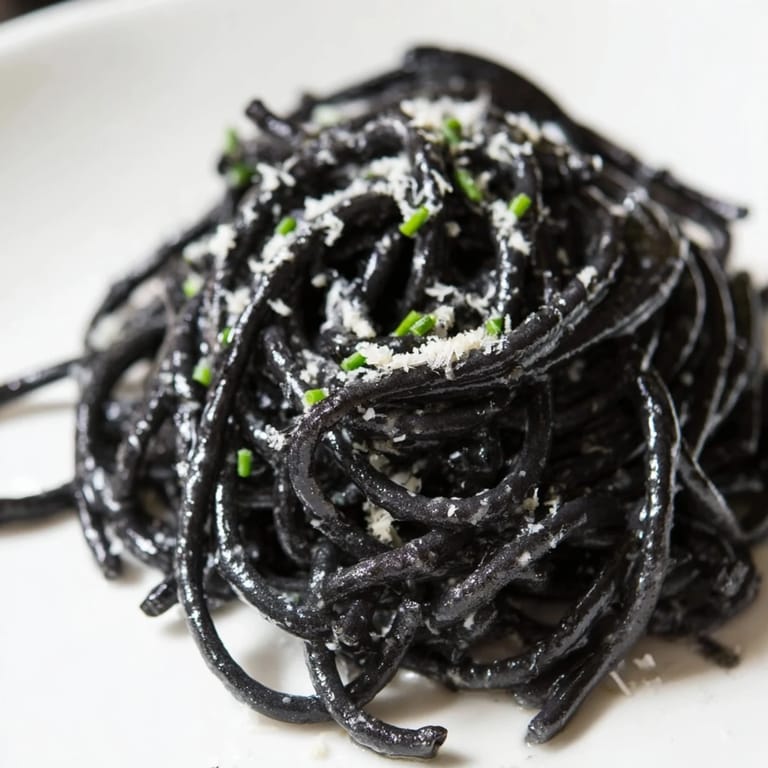
 There's something about squid ink pasta that stops conversations mid-sentence. The first time I plated it, my dinner guests actually gasped before tasting a single bite. What drew me in wasn't just the dramatic black color, but the promise of something elegant yet approachable—a dish that feels like restaurant magic but doesn't demand hours at the stove. That silky cream sauce, the way it clings to each ribbon of pasta, turned what could've been a showstopping dinner into something I now make whenever I want to feel a little fancy on a Tuesday night.
I made this for a friend who claimed she only ate plain pasta, and watching her go back for seconds without hesitation taught me something about how presentation shapes appetite. She'd been intimidated by the color before tasting it, but one bite of that buttery, lemony sauce changed her mind entirely. Now she texts me for the recipe whenever she's hosting someone special.
Ingredients
- Squid Ink Pasta (400 g): This is the star—use dried for reliability or fresh if you find it, though both work beautifully. The squid ink gives depth and earthiness that cream loves to complement.
- Unsalted Butter (2 tablespoons): Start here because it builds the foundation of your sauce; use good butter and you'll taste the difference immediately.
- Shallot (1 small, finely chopped): Milder than onion, sweeter, and it dissolves into the sauce leaving only elegance behind.
- Garlic (2 cloves, minced): Don't skip the mincing step—it distributes the flavor evenly rather than giving you bites of pure garlic.
- Dry White Wine (150 ml): A Pinot Grigio or Sauvignon Blanc works perfectly; the acidity brightens everything.
- Heavy Cream (250 ml): This transforms the wine into something luxurious and silky without curdling.
- Lemon Zest (1 teaspoon): The secret that keeps this from feeling heavy—it cuts through richness like a bell.
- Salt and Freshly Ground Black Pepper: Taste as you go because squid ink pasta already has its own mineral undertone.
- Parmigiano-Reggiano (50 g, grated): Real aged cheese, grated fresh, makes this dish sing in ways pre-grated versions cannot.
- Chives (1 tablespoon, finely chopped): A gentle onion flavor and bright green that plays against the black pasta.
- Lemon Wedges (optional): Let guests squeeze their own if they want that final pop of brightness.
Tired of Takeout? 🥡
Get 10 meals you can make faster than delivery arrives. Seriously.
One email. No spam. Unsubscribe anytime.
Instructions
- Boil the pasta generously:
- Salt your water like the sea—this is your only seasoning chance for the pasta itself. Watch for that moment when it turns from starchy to tender, usually a minute or two before the box says, because squid ink pasta often cooks faster than you'd expect.
- Build the aromatics:
- Melt your butter and let the shallot soften slowly until it's almost translucent and sweet. The kitchen will smell warm and inviting, which is when you know you're on the right track.
- Toast the garlic briefly:
- Just 30 seconds—you want it fragrant, not brown or bitter. This is one of those moments where timing matters more than precision.
- Reduce the wine:
- Pour it in and let it bubble for a couple minutes, watching the raw alcohol smell transform into something honeyed. You're concentrating the good flavors while the harsh ones float away.
- Marry the cream with care:
- Lower the heat before adding cream to avoid any split or curdled edges. Add the lemon zest here and let it infuse for a moment, then season to your taste.
- Combine pasta with sauce:
- Toss gently so every strand gets coated in that dark, glossy sauce. If it seems thick, add pasta water a tablespoon at a time until you get something that moves and clings beautifully.
- Plate and serve immediately:
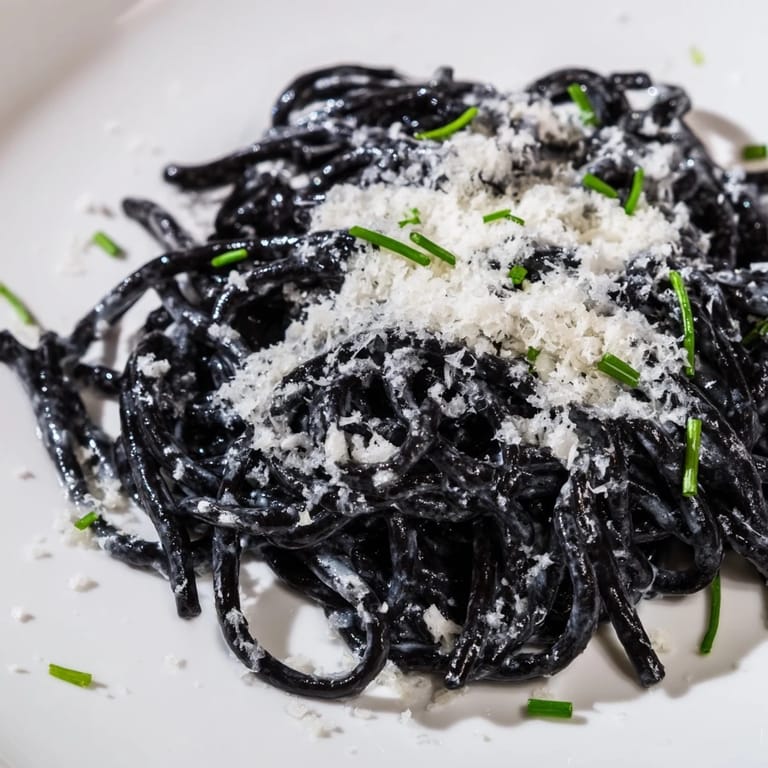
- The magic happens when everything's still warm and the sauce hasn't begun to set. Top generously, then step back and enjoy the admiration.
 Save to Pinterest
 The first time I served this, my mother asked if I'd made it at culinary school. I hadn't, of course—I'd just followed instinct and timing, and somehow that mattered more than credentials. That's when I realized this dish isn't about technique being complicated; it's about understanding how flavors speak to each other.
Why This Sauce Works
The magic of squid ink pasta isn't just visual—it has an umami, almost mineral quality that most cream sauces lack. When you add white wine, the acidity wakes it up. When you add lemon zest, you're pushing back against richness with brightness. The butter doesn't just add fat; it emulsifies everything into a unified, glossy whole. Every component has a job, and they don't compete—they support each other.
Customizing Without Losing the Plot
Once you understand the formula, you can play. Some nights I add a handful of sautéed shrimp or tender calamari pieces, which deepens the seafood story. Other times I'll slip in a handful of fresh spinach at the very end, or swap the chives for parsley if that's what I have. The foundation is solid enough to handle these variations without falling apart.
Serving Suggestions & Small Moments
I've learned that this dish deserves a proper moment—cloth napkins, a crisp white wine in the glass, plates warmed in the oven beforehand. It's the kind of food that transforms Tuesday dinner into something worth talking about. The squid ink doesn't stain if you eat mindfully, though I always tell guests this upfront because it seems somehow part of the adventure, part of the story they'll tell later.
- Serve with a Pinot Grigio or Sauvignon Blanc that has good acidity to echo the lemon.
- A simple green salad dressed with lemon vinaigrette cuts through the richness without competing.
- Crusty bread for sauce-soaking is non-negotiable, though guests rarely ask permission before reaching for it.
 Save to Pinterest
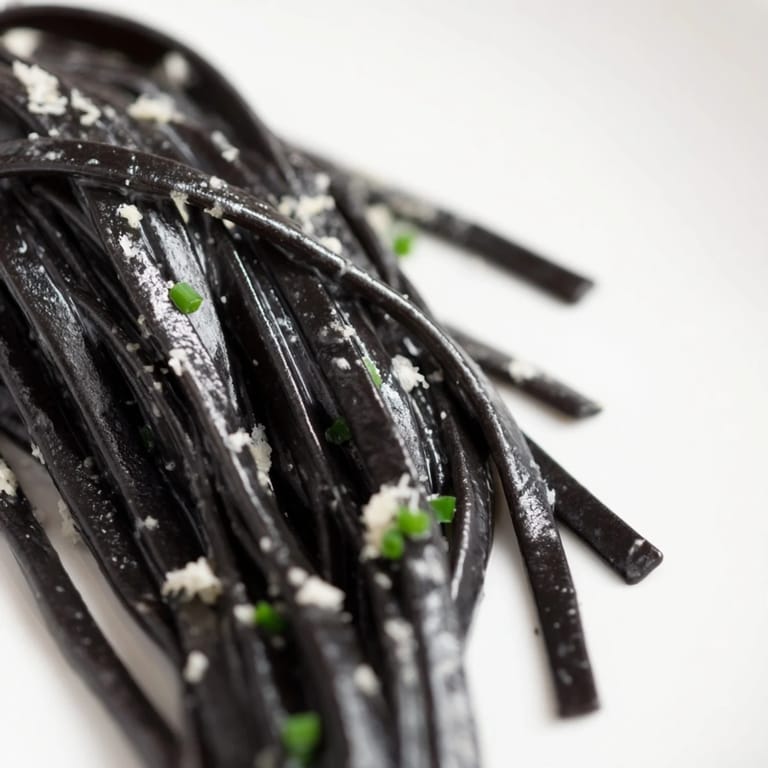
 This recipe taught me that elegance isn't about complexity—it's about respect for ingredients and timing. Make this when you want to remember why cooking matters.
Recipe Questions
- → Can I use fresh squid ink pasta instead of dried?
Yes, fresh squid ink pasta works beautifully and requires less cooking time—typically 3-4 minutes instead of 8-10 minutes. Check package instructions and test for al dente texture before draining.
- → What should I do if the cream sauce breaks or becomes grainy?
Remove the skillet from heat immediately and whisk in a splash of cold cream or pasta water. Keep heat at medium or below, as high temperatures can cause cream to curdle. Gentle, low-heat simmering is essential for a silky sauce.
- → How can I add protein to this dish?
Sauté shrimp or calamari separately until just cooked, then fold into the finished sauce. Alternatively, pan-sear scallops or add pan-fried white fish pieces. Add proteins in the last minute to prevent overcooking.
- → Can I prepare components ahead of time?
Cook pasta 2-3 hours ahead and store with a light coating of olive oil to prevent sticking. Prepare the cream sauce no more than 1 hour before serving, then gently reheat and toss with fresh pasta to restore silky texture.
- → What wine pairs best with this dish?
A crisp Italian white wine like Pinot Grigio, Vermentino, or Albariño complements the richness of the cream and squid ink. Choose wines with good acidity to cut through the fat and refresh the palate between bites.
- → Is squid ink pasta safe for shellfish allergies?
Squid ink comes from squid, a cephalopod and shellfish. Always verify the pasta source and check with your supplier about cross-contamination risks. Those with shellfish allergies should consult labels carefully before purchasing.