 Save to Pinterest
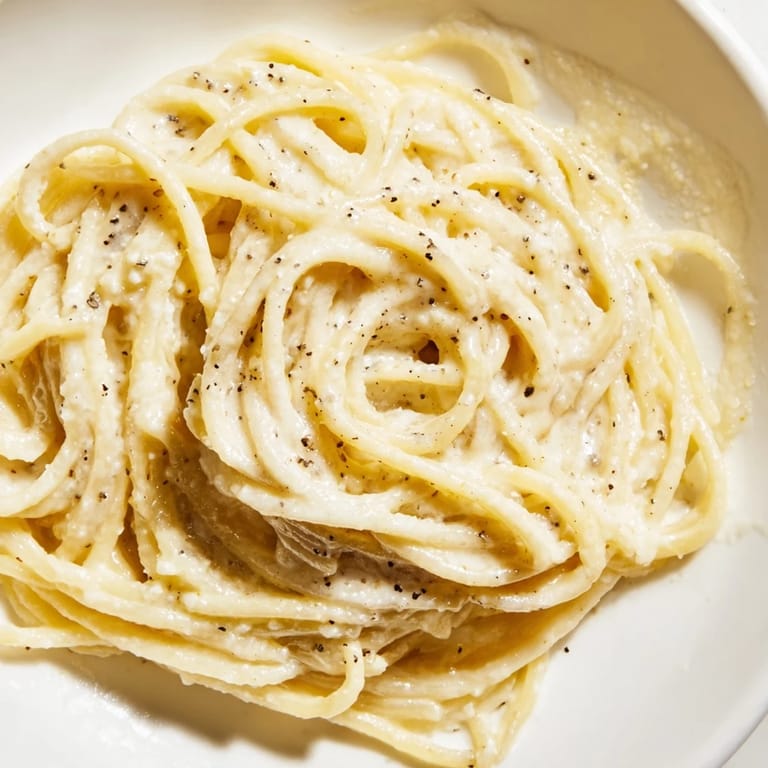
 The first time I watched someone make cacio e pepe, I thought they were bluffing. Just cheese, pepper, and pasta water? It seemed too easy to be real. But then the sauce came together in the pan, glossy and clinging to every strand, and I realized this wasn't about complexity. It was about respect for a few perfect ingredients and the nerve to let them speak for themselves.
I made this for my brother once after he had a terrible day at work. He sat at the counter, quiet and defeated, and I just started boiling water. No plan, no speech. When I set the bowl in front of him, he took one bite and finally exhaled. Sometimes food doesnt fix things, but it reminds you that small pleasures still exist.
Ingredients
- Spaghetti (400 g): The traditional choice for cacio e pepe because its shape lets the sauce coat every bite without overwhelming the delicate flavor.
- Pecorino Romano cheese (120 g, finely grated): This is the soul of the dish, salty and sharp, and it must be freshly grated or it will clump instead of melt.
- Freshly cracked black pepper (2 tsp, plus extra): Toasting it in the pan releases oils that turn simple pepper into something almost floral and deeply aromatic.
- Salt: For the pasta water, which becomes part of the sauce, so dont skip salting generously.
Tired of Takeout? 🥡
Get 10 meals you can make faster than delivery arrives. Seriously.
One email. No spam. Unsubscribe anytime.
Instructions
- Boil the pasta:
- Bring a large pot of salted water to a rolling boil, add the spaghetti, and cook until just al dente. Before draining, scoop out 1 cup of that starchy pasta water, it will be your secret weapon for a creamy sauce.
- Toast the pepper:
- In a large skillet over low heat, toast the black pepper for 1 to 2 minutes until it smells warm and fragrant. This step wakes up the pepper and makes it the star it deserves to be.
- Build the base:
- Add about half a cup of the reserved hot pasta water to the skillet with the toasted pepper and let it simmer gently. This creates a peppery broth that will help the cheese melt smoothly.
- Toss the pasta:
- Add the drained spaghetti to the skillet and toss it around until every strand is coated in that peppery water. Work quickly and keep the heat low.
- Add the cheese:
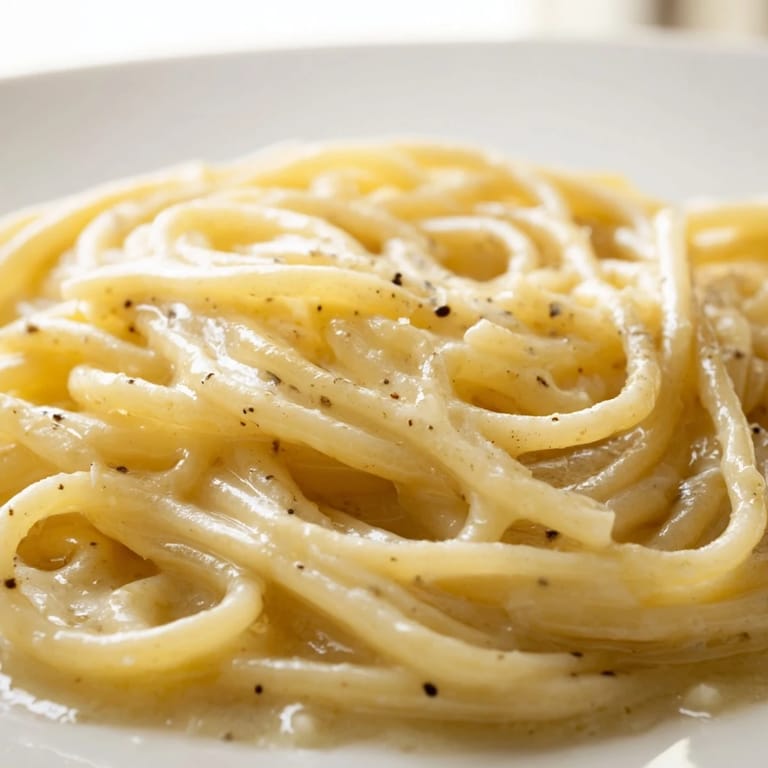
- Gradually sprinkle in the Pecorino Romano, tossing and stirring vigorously until the cheese melts into a creamy, glossy sauce. Add more reserved pasta water a splash at a time until the texture is silky and clings to the pasta.
- Serve immediately:
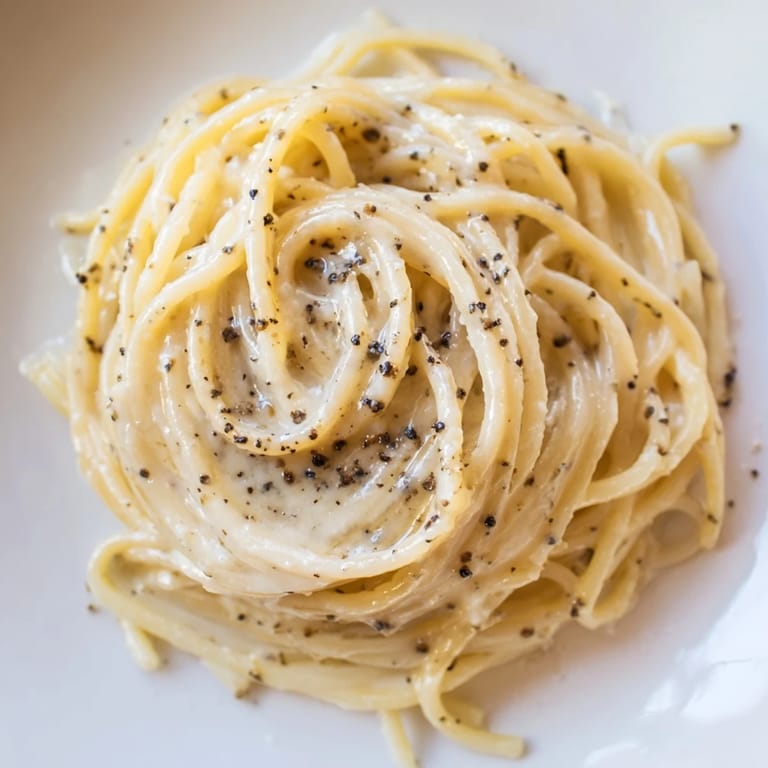
- Plate the pasta while its still steaming and top with extra Pecorino Romano and a generous crack of black pepper. This dish waits for no one.
 Save to Pinterest
 I remember serving this at a dinner party where half the guests were skeptical that three ingredients could be enough. By the end of the night, two people had asked me to make it again before they left. Its the kind of dish that makes you realize cooking isnt always about doing more, sometimes its about doing less with total confidence.
What to Serve Alongside
Cacio e pepe is rich and bold, so it pairs beautifully with something light and bright. A simple arugula salad with lemon and olive oil cuts through the creaminess, and a crisp white wine like Vermentino or Pinot Grigio keeps everything balanced. I also love serving it with roasted asparagus or blistered cherry tomatoes when I want a little color on the table.
How to Store and Reheat
Honestly, cacio e pepe is best eaten the moment it comes together. If you do have leftovers, store them in an airtight container in the fridge for up to two days. Reheat gently in a skillet with a splash of water or milk, stirring constantly to bring back some of that creaminess. It wont be quite the same, but itll still taste like comfort.
Ways to Make It Your Own
Once you nail the classic version, you can start playing around. Some people add a handful of fresh herbs like parsley or basil at the end for brightness. Others toss in sauteed mushrooms or crispy pancetta for extra richness. You can also swap Pecorino for Parmigiano Reggiano if you want a milder, nuttier flavor.
- Try using bucatini or tonnarelli instead of spaghetti for a chewier bite.
- Add a pinch of red pepper flakes if you want a little heat to balance the creaminess.
- Finish with a drizzle of good olive oil for extra silkiness and flavor.
 Save to Pinterest
 This is the kind of recipe that teaches you to trust yourself in the kitchen. Once you get the feel for it, youll make it without thinking, and every time, itll taste like a small victory.
Recipe Questions
- → Why is it important to reserve pasta cooking water?
The starchy pasta water acts as an emulsifier, helping the cheese and pepper combine into a smooth, creamy sauce rather than clumping. It also prevents the dish from becoming too dry and helps achieve that signature silky texture.
- → Can I use Parmigiano Reggiano instead of Pecorino Romano?
Yes, Parmigiano Reggiano works as a substitute, though it will produce a milder, less peppery flavor profile. Pecorino Romano has a sharper, saltier taste that's more authentic to the traditional Roman preparation.
- → What's the best way to prevent cheese from clumping?
Work quickly and toss continuously while adding the grated cheese gradually in small handfuls. Keeping the temperature low and adding reserved pasta water as needed helps the cheese melt smoothly into the sauce.
- → Should the black pepper be freshly cracked?
Absolutely. Freshly cracked black pepper provides superior flavor and texture compared to pre-ground pepper, which loses its volatile oils. Toast it briefly to enhance its aromatic qualities before adding the pasta water.
- → What wine pairs well with this dish?
Crisp white wines like Vermentino or Pinot Grigio complement the rich, peppery flavors beautifully. The acidity and lightness of these wines balance the creamy cheese sauce and spicy pepper notes.
- → How do I achieve the perfect al dente texture?
Cook the spaghetti according to package directions but stop about one minute before the recommended time. The pasta continues cooking slightly when tossed with the hot peppery sauce, ensuring a tender but firm bite.