 Save to Pinterest
 My cousin texted me a photo of her daughter's face lighting up at a garden party, surrounded by spring blooms, and I knew right then these mini cakes had to happen. There's something about baking in layers that feels like you're building a secret, and when edible flowers land on top, it stops being just dessert and becomes a small work of art. The lemon-vanilla combination came to me one early morning while standing in the kitchen listening to birds outside, thinking about how spring tastes if it were cake. I've made these for three birthdays now, and each time someone asks if they're too fancy to eat, which is the highest compliment I can think of.
I'll never forget watching my friend's mom taste one of these at a garden brunch last May—she closed her eyes, and I swear time stopped for a second. That moment taught me that food isn't just about hunger; it's about creating pauses in someone's day where they actually notice they're alive. The edible flowers were her favorite part, not because they taste like much, but because they made her feel like someone had taken time to think about her happiness.
Ingredients
- All-purpose flour (1 1/4 cups): The foundation of a tender crumb—I've learned that measuring by weight here matters more than you'd think, so grab a scale if you have one.
- Baking powder (1 tsp): This is your lift, your promise that the cakes will be light enough to feel celebratory rather than dense.
- Salt (1/4 tsp): A tiny amount that makes the vanilla and lemon sing without anyone knowing why.
- Unsalted butter (1/2 cup for cakes, 3/4 cup for buttercream): Softness matters here—let it sit out for 30 minutes before you start, and you'll feel the difference in how easily it creams.
- Granulated sugar (3/4 cup): The sweetness that carries the lemon flavor without overwhelming it.
- Eggs (2 large, room temperature): Room temperature eggs incorporate smoother into the batter, creating a more stable emulsion.
- Pure vanilla extract (1 tsp plus 1 tsp for buttercream): Real vanilla is worth it here because the cake is simple enough that every ingredient matters.
- Lemon zest (1/2 tsp): The oil in the zest is where the real lemon flavor lives—a microplane makes this job almost meditative.
- Whole milk (1/2 cup, room temperature): Cold milk can seize the batter, so this temperature detail prevents tiny invisible disasters.
- Powdered sugar (2 cups, sifted): Sifting isn't fussy—it's the difference between buttercream that's silky versus grainy.
- Heavy cream or milk for buttercream (1–2 tbsp): Start with less and add gradually; you're looking for a spreadable consistency, not a soup.
- Food coloring (optional, pastel shades): A tiny drop goes a long way, and pastel colors feel more sophisticated than bright ones.
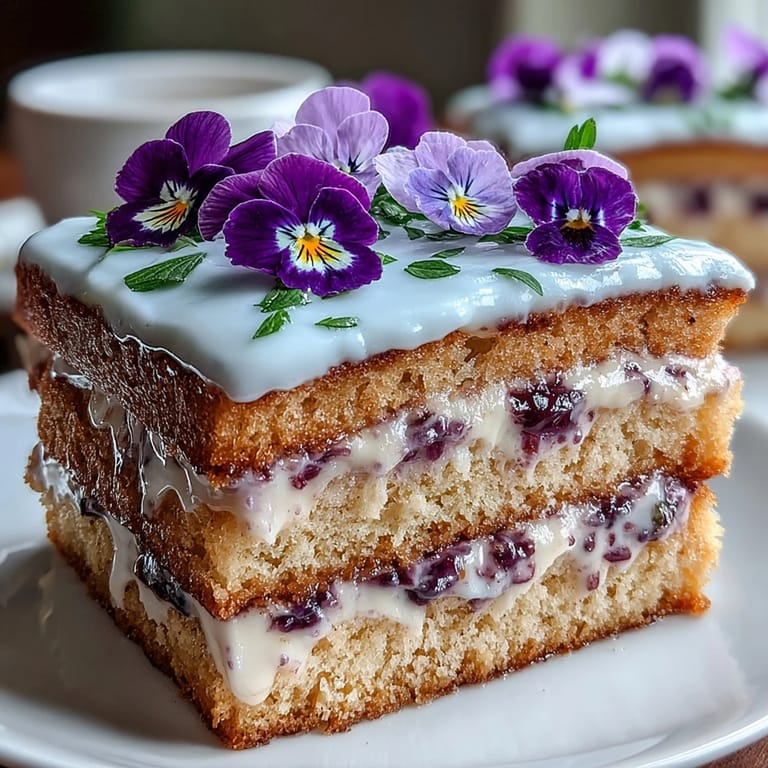
- Edible flowers (1 cup, approximately 30 grams): This is non-negotiable—buy from a trusted source that explicitly states they're pesticide-free, because these go straight on top with no cooking to sanitize them.
Tired of Takeout? 🥡
Get 10 meals you can make faster than delivery arrives. Seriously.
One email. No spam. Unsubscribe anytime.
Instructions
- Prepare your oven and pan:
- Heat the oven to 350°F and line a 9x13 baking sheet with parchment paper, then give it a light grease. Having everything ready before you start mixing is the one habit that separates calm bakers from frantic ones.
- Combine dry ingredients:
- Whisk together flour, baking powder, and salt in a medium bowl, then set it aside. This simple step ensures the leavening is evenly distributed throughout.
- Cream butter and sugar:
- Beat softened butter and sugar together for about 3 minutes until the mixture is pale, fluffy, and almost mousse-like. This is where you're incorporating air, which makes the cake rise and feel delicate.
- Incorporate eggs and flavorings:
- Add eggs one at a time, beating well after each one, then mix in vanilla and lemon zest. The lemon zest will scatter throughout and look like tiny flavor bombs.
- Alternate wet and dry gently:
- Add half the flour mixture, then the milk, then the remaining flour, mixing gently after each addition until just combined. Overmixing here is the enemy—you're looking for a batter that's just come together, not one that's been beaten into submission.
- Spread and bake:
- Spread the batter evenly onto the prepared sheet and bake for 18–22 minutes until a toothpick comes out clean. The kitchen will smell like spring and vanilla, which is your signal that magic is happening.
- Cool completely and cut:
- Let the cake cool all the way before using a 2.5–3 inch round cutter to cut out 12 circles. Re-roll the scraps gently if needed—they won't be quite as tender as the first cuts, but they're still delicious.
- Make the buttercream:
- Beat softened butter until creamy, gradually add sifted powdered sugar, vanilla, and salt, then add milk a tablespoon at a time until you reach a light, spreadable consistency. If you want color, add a tiny drop of food coloring and beat until the shade is even.
- Assemble the mini cakes:
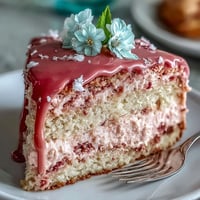
- Place one cake round on a plate, spread with a thin layer of buttercream, top with a second round, and add another thin layer on top. This creates the appearance of a proper layer cake without being overwhelming.
- Decorate with buttercream and flowers:
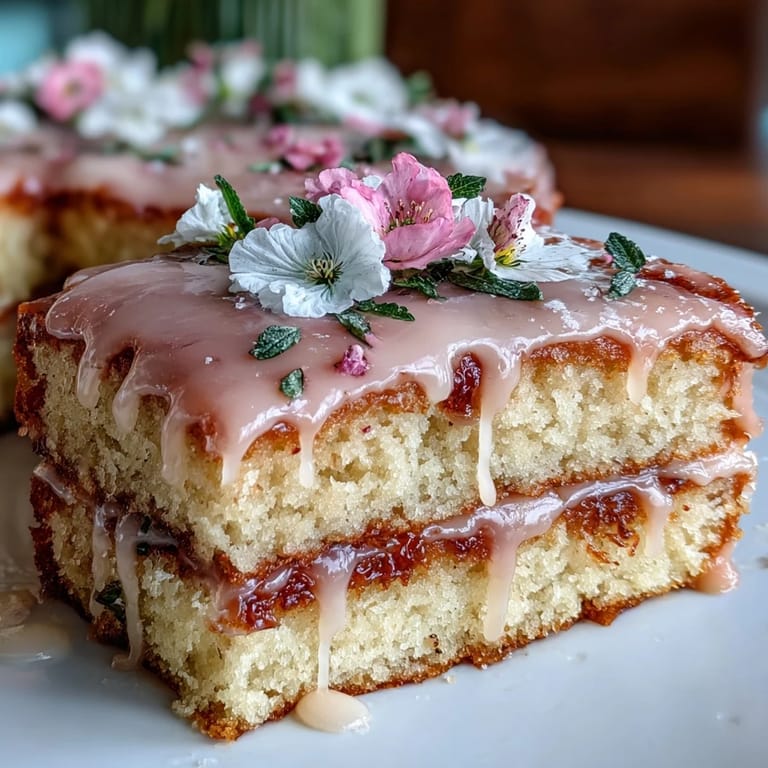
- Swirl buttercream on top of each assembled cake and arrange edible flowers artfully, pressing them gently into the buttercream so they stay put. Step back and look at what you've made—it's prettier than it has any right to be.
- Chill before serving:
- Refrigerate for 15 minutes so the buttercream sets and the layers feel more substantial when someone bites into them. This small pause makes a noticeable difference in texture.
 Save to Pinterest
 There was a moment at a birthday brunch when a quiet kid who usually sits in the corner asked for seconds of the mini cake, and her mom looked surprised and delighted in equal measure. That's when I realized these cakes aren't just pretty—they somehow make people feel seen, like someone took the time to make something special just for them.
The Magic of Lemon and Vanilla Together
This pairing isn't new, but most people experience it separately in their desserts. The lemon zest gives brightness, while the vanilla provides warmth, and together they create something that tastes less like a single flavor and more like a feeling. I learned this accidentally once when I forgot to measure the lemon zest and just grabbed a microplane and went by intuition—it turned out perfect, which taught me that sometimes you can trust your senses more than the recipe.
Working with Edible Flowers
The first time I used edible flowers, I bought them from a regular grocery store and didn't think to ask if they'd been sprayed with anything. A friend who knew better gently corrected me, and now I'm evangelical about sourcing from reputable suppliers who can guarantee they're pesticide-free. They're more delicate than they look, so handle them with fingertips rather than tongs, and add them just before serving so they stay fresh and don't wilt into the buttercream.
Make-Ahead Magic and Storage
I've learned that these cakes are actually better when assembled the day before—the layers meld slightly and the whole thing becomes more elegant and less likely to slide around. Keep them in the refrigerator, and add the edible flowers only an hour or two before serving so they look their absolute best. This means you can bake the cake one day, assemble it another, and show up to the party feeling calm instead of covered in buttercream.
- Unfrosted cake layers can be wrapped tightly and frozen for up to a week, then thawed at room temperature before assembly.
- If you're making these ahead, skip the flowers until the last minute—they'll stay vibrant and don't wilt into the buttercream.
- These cakes taste best when served at cool room temperature, so pull them from the fridge about 15 minutes before the party starts.
 Save to Pinterest
 These mini cakes have a way of turning an ordinary celebration into something people remember long after the last crumb is gone. Make them with care, and they'll do the talking for you.
Recipe Questions
- → What types of edible flowers work best for decoration?
Violas, pansies, and nasturtiums are excellent choices as long as they are food-safe and pesticide-free, adding both color and subtle floral notes.
- → Can the cakes be made ahead of time?
Yes, the mini layered cakes can be assembled and chilled a few hours before serving to enhance texture and flavor.
- → Is it possible to tint the buttercream?
Absolutely, adding pastel food coloring to the buttercream creates a festive and attractive look that complements the edible flowers.
- → How should leftover cake scraps be used?
Remaining cake pieces can be repurposed for cake pops or other desserts, minimizing waste.
- → What allergen considerations should I keep in mind?
These cakes contain gluten, eggs, and dairy. Also, some edible flowers might cause allergies, so check flower types carefully.