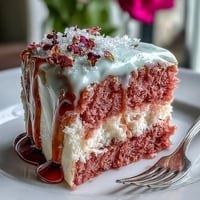
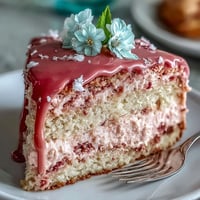
 Save to Pinterest
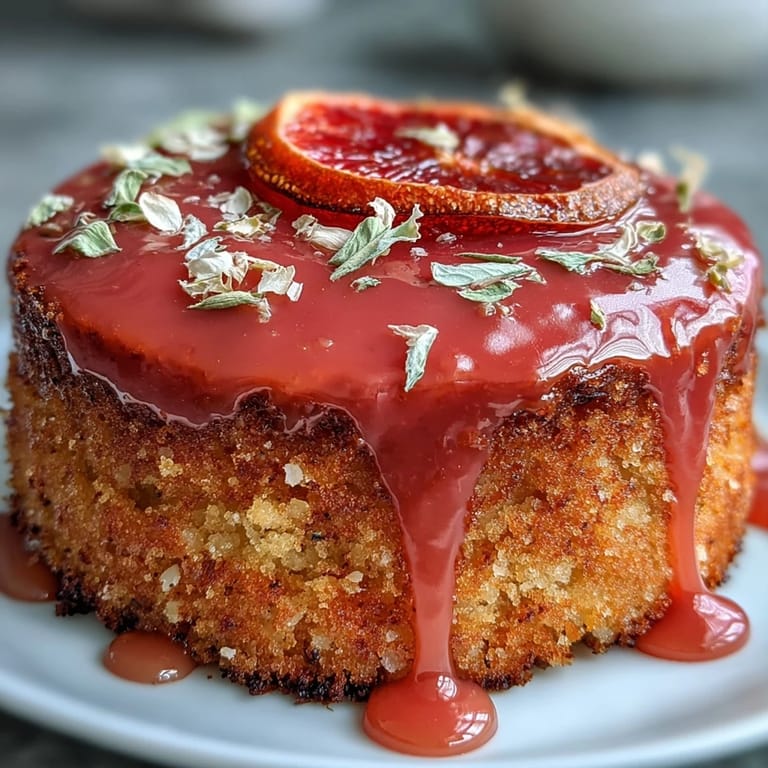
 The scent of blood oranges bursting under my fingertips always seems to chase away the gloom of winter afternoons. I first stumbled upon this polenta cake recipe while searching for a way to use a glut of citrus that felt just a bit more special than the usual loaf. There’s an alchemy to seeing the batter swirl into a warm golden hue, speckled with zest, on a cold day in the kitchen. Oddly enough, it was the shock of that vividly pink glaze, puddling down the sides, that convinced me I’d made something worth celebrating. The whole process is an invitation to slow down and savor each sweet, fragrant moment.
One Saturday, after a friend showed up unexpectedly with a bunch of flowers and a half-case of blood oranges, I surrendered my plans and let us bake. We listened to music, debated vigorously over how zesty is too zesty, and ended up dribbling pink glaze over our still-warm slices, laughing as it dripped onto the plates. It’s one of those recipes that feels just right for impromptu company and a kitchen full of citrus perfume.
Ingredients
- Unsalted butter: Gives the cake richness and a tender crumb—always use room temperature for easy creaming.
- Caster sugar: Dissolves quickly and ensures a delicate texture; regular granulated will do in a pinch if beaten well.
- Eggs: Bind and lift the batter; adding them one by one keeps everything from curdling.
- Blood orange zest: Packs a zippy punch—scrape just the bright outer layer for maximum fragrance.
- Fine polenta (cornmeal): Lends that signature crumb and keeps things gluten-free; don’t use coarse meal or it’ll be gritty.
- Ground almonds: Make the cake impossibly moist and nutty—I keep mine in the fridge so they stay fresh and fluffy.
- Baking powder (gluten-free): Just enough for a gentle rise; check the label to be sure it’s safe for those avoiding gluten.
- Pinch of salt: A little salt wakes up all the flavors, especially the citrus.
- Blood orange juice: Adds both moisture and that gorgeous subtle blush; strain it to avoid pulp in the batter.
- Vanilla extract: Brings warmth to all that vibrant citrus—good-quality vanilla makes a difference.
- Powdered sugar: The base for a silky, simple glaze; always sift to prevent lumps.
- Blood orange juice (for glaze): Just a few spoonfuls delivers that irresistible pink shine.
- Blood orange slices & edible flowers (optional): Turn a simple cake into a centerpiece—I slice the oranges as thin as possible and add edible petals for flair.
Tired of Takeout? 🥡
Get 10 meals you can make faster than delivery arrives. Seriously.
One email. No spam. Unsubscribe anytime.
Instructions
- Prepare your cake tin:
- Grease your 20 cm tin with butter, then line the base with parchment—my trick for easy release every time.
- Create the batter base:
- Cream the butter and sugar until pale and fluffy; warmth from your hand mixer makes the kitchen smell like sweet butter right away.
- Incorporate the eggs:
- Beat in the eggs, one after another—pause to scrape the bowl so everything stays silky smooth.
- Add citrus magic:
- Fold in the blood orange zest and vanilla; the flecks of orange against the batter are a promise of flavor to come.
- Combine dry ingredients:
- Mix polenta, ground almonds, baking powder, and salt in a small bowl—I sift them together to avoid lumps and for an even rise.
- Bring it all together:
- Gently stir the dry mix into the wet, stopping when just combined; overmixing is a cake’s enemy here.
- Add juice and finish batter:
- Pour in the blood orange juice and fold until streak-free; the mixture will be thick and fragrant.
- Bake to golden perfection:
- Scoop into the tin, smooth the top, and bake 40–45 minutes—your cue is a firm spring and a golden edge.
- Cool it down:
- Let the cake sit in its tin for 10 minutes, then carefully turn out onto a rack to cool completely—resist glazing before it cools!
- Make the glaze:
- Whisk sifted powdered sugar with blood orange juice until thick, glossy, and unapologetically pink.
- Finish and decorate:
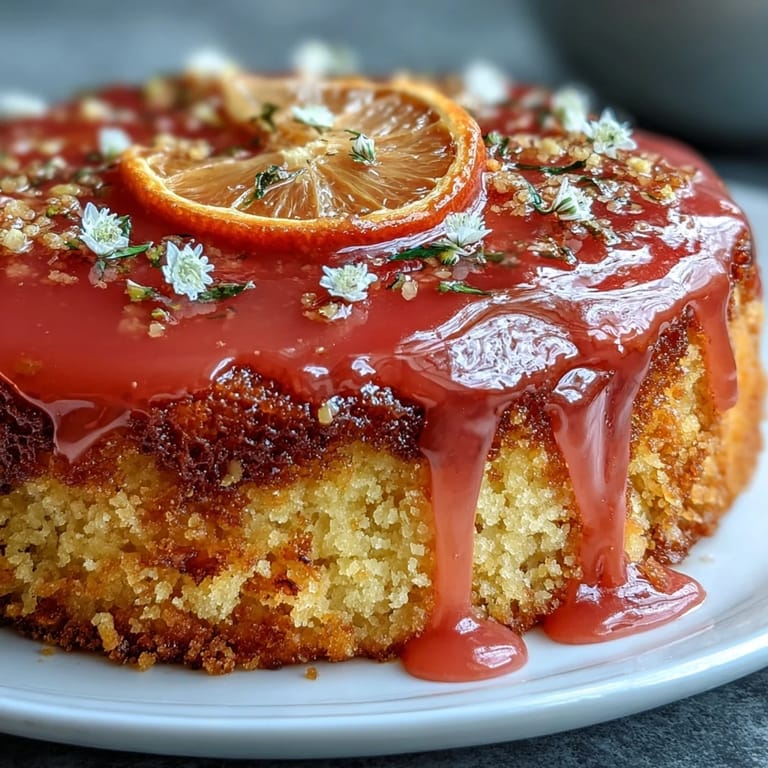
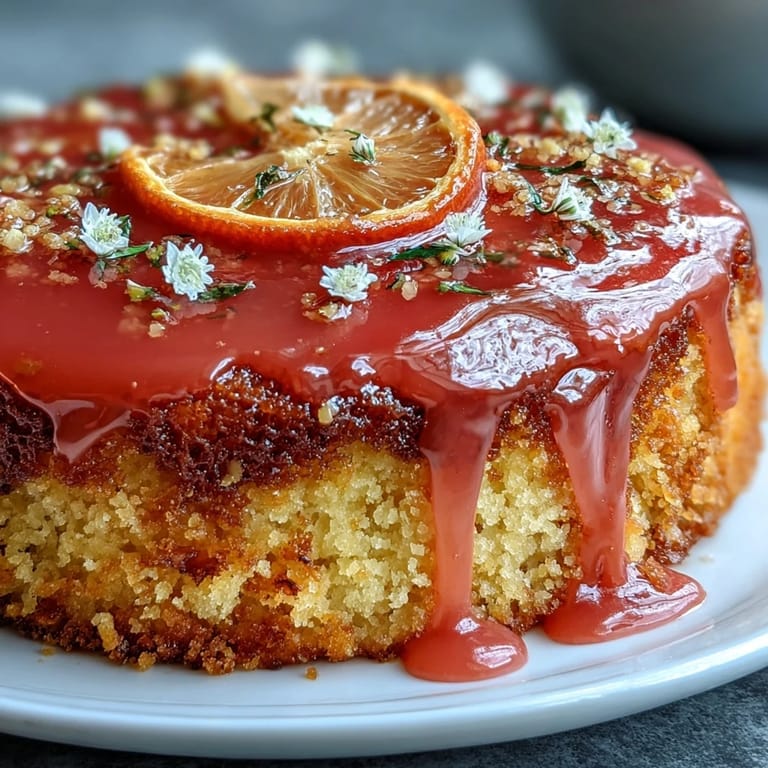
- Drizzle the glaze generously over the cake, letting it run down the sides, then artfully arrange orange slices and edible flowers if you like.
 Save to Pinterest
  Save to Pinterest
 When I served this cake for a spring brunch, someone lingered in the kitchen long after the plates were cleared, quietly scooping up stray glaze from the platter with a spoon. That’s when I knew this dessert had the power to turn a moment into something a little more memorable.
Making the Most of Your Polenta
After trying a few brands, I learned that fine-ground polenta is less gritty and bakes into a cake with a happy, tender crumb. If it’s too coarse, the cake feels sandy—sift your polenta if in doubt, and store leftovers in an airtight jar to keep it fresh for the next round of baking.
Choosing and Slicing Blood Oranges
Blood oranges are at their most vibrant between December and March, so I try to bake this cake whenever I spot those ruby-fleshed beauties at the market. For decorating, I slice them as thin as possible so they drape across the cake but don’t weigh it down.
Glazing Glory: Tips for the Perfect Finish
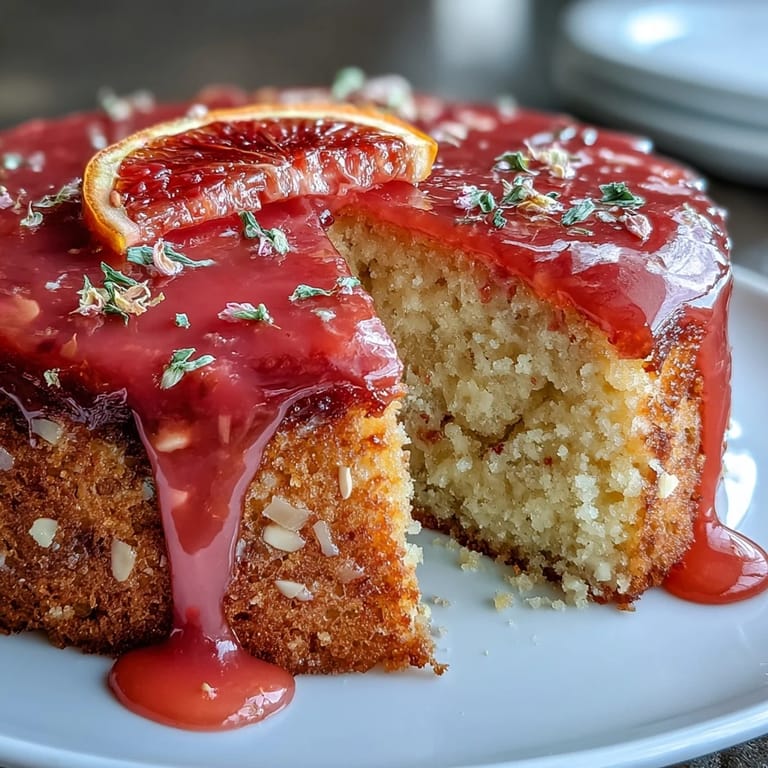
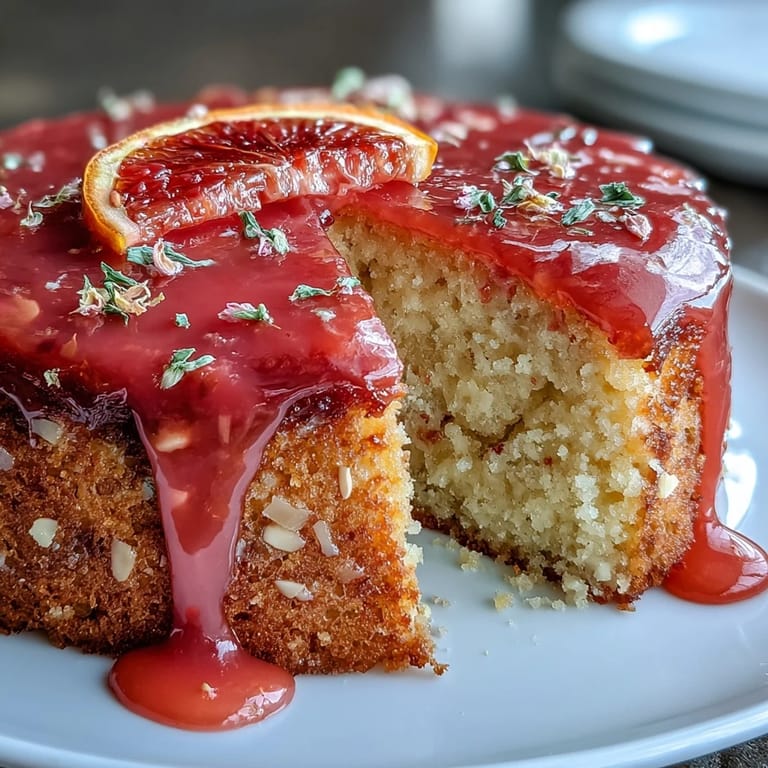
Don’t rush the glaze—a thick pourable consistency is key for those pretty drips, and always glaze on a wire rack with a tray underneath to catch the excess. Play with pour speed: a slow drizzle gives dramatic lines, a quick pour softens the look.
- If your glaze is too runny, add more sugar.
- If it’s too thick, a teaspoon more juice fixes it.
- Let the glaze set before slicing for sharp, picture-perfect cuts.
 Save to Pinterest
  Save to Pinterest
 Pull up a chair and pour yourself something fizzy—this cake deserves a toast, whether it’s Tuesday night or a room full of friends. Here’s to cake that tastes like sunshine in every slice.
Recipe Questions
- → How do I keep the cake moist?
Use creamed butter and sugar for a tender crumb, avoid overmixing once dry ingredients are added, and remove from the oven when a skewer is just clean. Brushing the warm cake with extra blood orange juice before glazing adds extra moisture.
- → Can I substitute regular oranges for blood oranges?
Yes. Regular oranges provide a similar citrus brightness, though the glaze will be less rosy in color. Adjust juice quantity to taste, as sweetness and acidity can vary.
- → How do I get a smooth, pink citrus glaze?
Sift powdered sugar into a bowl, then add blood orange juice a teaspoon at a time until you reach a thick, pourable consistency. The natural juice yields the pink hue; strain if you prefer a clearer glaze.
- → What is the best way to test for doneness?
Insert a skewer into the center; it should come out clean or with a few moist crumbs. The top should be golden and spring back slightly. If it browns too quickly, lower the oven temperature and extend baking time.
- → Can this be prepared ahead of time?
Yes. Bake and cool the cake completely, then store wrapped at room temperature for a day or refrigerated for 2–3 days. Glaze just before serving for the freshest finish; chilled slices pair well with crème fraîche or yogurt.
- → Are there allergy or dietary considerations?
The cake contains eggs, dairy (butter), and almonds. It's naturally gluten-free thanks to polenta, but verify that baking powder and packaged ingredients are certified gluten-free if needed.