 Save to Pinterest
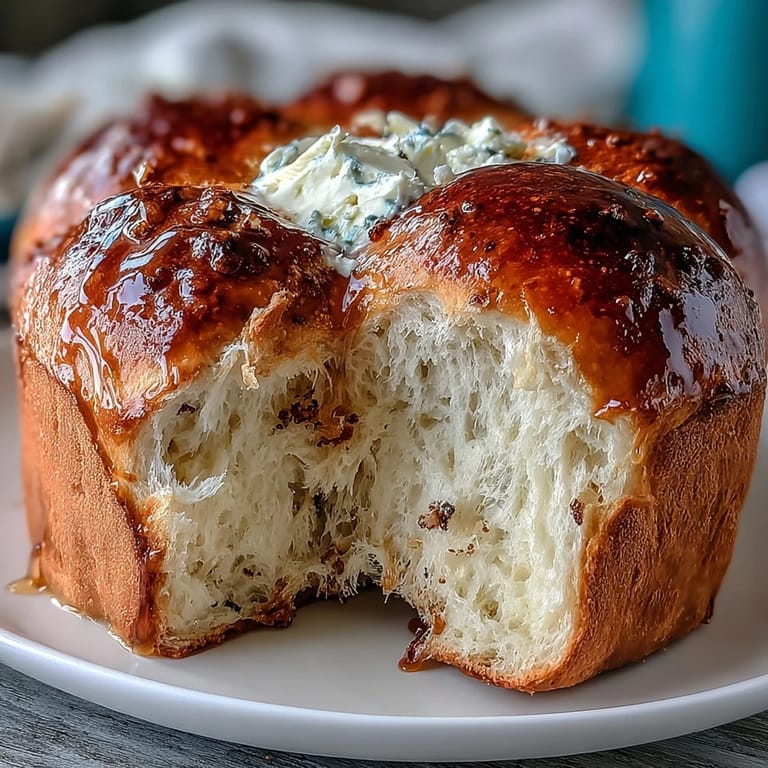
 The first time I encountered Japanese Milk Bread, the pillowy slices beckoned like soft clouds behind a bakery window on a chilly morning walk. There was something mesmerizing about the golden, domed loaves—almost too pretty to eat. It wasn’t until I tried baking it at home that I discovered how captivating the process itself could be, especially the alchemy behind the Tangzhong method. The kitchen filled with a faint, sweet aroma as flour and milk thickened on the stove, a quiet anticipation building as the dough began its slow rise. Baking this bread became more than a recipe—it became a small ritual I looked forward to, especially on lazy weekends.
Once, on an especially rainy afternoon, my partner and I found ourselves improvising with mismatched mugs of tea and this fresh loaf, still warm and irresistible. We argued briefly (and jovially) over who had shaped the tighter swirl, breaking into laughter as the first fluffy slices vanished. Even our cat seemed drawn in by the low, yeasty hum of the cooling bread. In that moment, sharing these simple slices blurred the line between ordinary and comfortingly perfect. It was proof that a loaf of milk bread could turn a grey day golden.
Ingredients
- Bread flour: Opt for a strong, high-protein bread flour for that iconic fluff; I learned that all-purpose just won’t deliver the same lofty tenderness.
- Whole milk: The richness here makes the crumb luxuriously soft—warming it slightly helps the yeast bloom with enthusiasm.
- Unsalted butter: Softening it first is key; straight-from-the-fridge butter won’t meld smoothly, and lumps can snarl the dough.
- Instant yeast: Always check the expiration date—tired yeast can sabotage your rise (I found out the hard way).
- Egg: Bringing it to room temperature keeps the dough even and easy to handle.
- Sugar: This touch of sweetness isn’t just for flavor—it helps the bread brown beautifully in the oven.
- Fine sea salt: Distributed more evenly in the dough, it makes every bite pop.
- Tangzhong (flour, water, milk): Gently heat and whisk until you have a thick, dreamy paste—don’t walk away, as it thickens fast!
- Milk for brushing: Gives that picture-perfect, glossy finish to your golden crust.
Tired of Takeout? 🥡
Get 10 meals you can make faster than delivery arrives. Seriously.
One email. No spam. Unsubscribe anytime.
Instructions
- Cook the Tangzhong:
- Stir the flour, water, and milk together in a small pan over medium heat—watch closely as it transforms into a smooth, thick paste, almost like pudding. When lines trail behind your whisk, it’s ready; let it cool until just warm to the touch.
- Mix the Dough:
- In a large bowl, combine bread flour, sugar, salt, and instant yeast; add the Tangzhong, warm milk, and egg. Mix with a wooden spoon or on low speed until the dough comes together looking messy and shaggy.
- Knead Like You Mean It:
- Drop in the soft butter and knead until the dough feels elastic and smooth—it will stretch without breaking and bounce back when poked. Patience is your friend here; the transformation might take up to 15 minutes.
- Let It Rise:
- Oil a bowl lightly, tuck the dough inside, cover, and set it somewhere cozy. In about an hour, it should puff up and nearly double—watch it swell with pride!
- Shape and Roll:
- Gently punch out the air, divide into thirds, and roll each portion into a neat rectangle. Fold in the sides and roll up snugly into logs, then settle them side-by-side (seam down) in a greased loaf pan.
- Second Rise:
- Cover again and let the dough rise until just peeking over the pan’s rim—about 30 to 45 minutes. Now’s when kitchen patience pays off!
- Bake to Gold:
- Heat your oven to 350°F (175°C), brush the loaf’s top with milk, and bake until deeply golden and the bottom sounds hollow when tapped (28-32 minutes). The aroma should be impossible to ignore.
- Cool and Slice:
- Let the loaf rest in the pan for 10 minutes, then tip it onto a wire rack to finish cooling. Resisting the urge to cut in while it’s still hot is the hardest part!
 Save to Pinterest
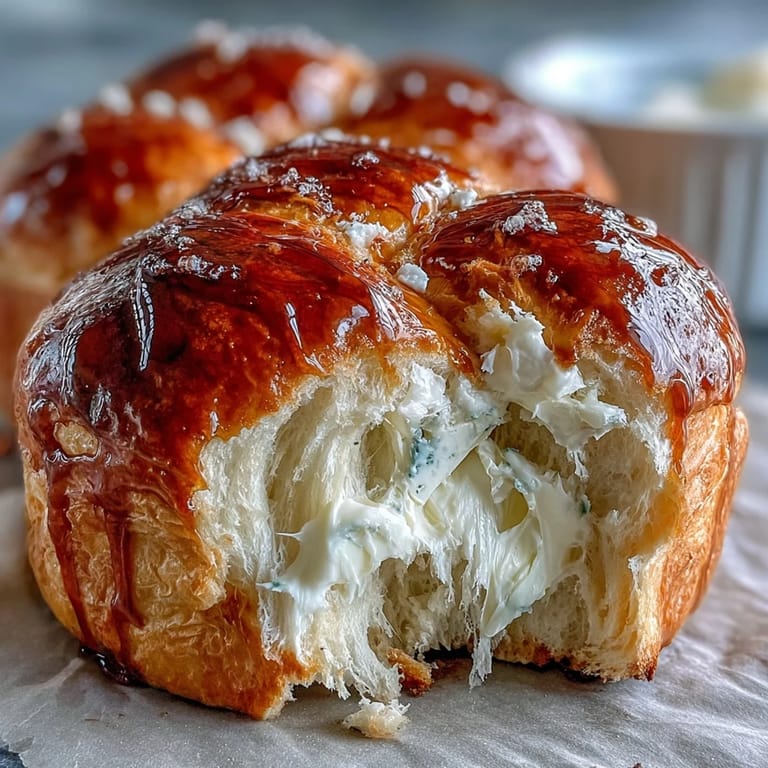
 The first time I gifted a loaf, it was barely cool and still fragrantly sweet—my friend actually performed a dramatic sniff before slicing. We wound up standing in her kitchen with nothing but butter and a knife between us, silently agreeing that a slice like this rarely needs anything more. That afternoon, Japanese Milk Bread felt like the very definition of generosity and home.
Making the Tangzhong: My Best Tricks
Don’t let the Tangzhong intimidate you—it’s more forgiving than it looks, but you do get bonus points for attentive stirring. I’ve found that using a small silicone whisk makes the whisking smoother, and switching from medium to low heat if you get nervous helps prevent any burn at the base. If some lumps sneak in, keep stirring; they’ll often dissolve with a few more passes. The paste should look shiny and thick, gliding easily off the spoon. Once you’ve got this step down, the rest of the process feels much more approachable.
Timing Is Everything
I learned the hard way that letting the dough rise too long can make the structure collapse later in baking. Err on the side of under- rather than over-proofing on your first try; it’s easier to recover. A kitchen thermometer can be your secret weapon: around 75°F is perfect for rising, but putting the bowl on top of a barely warm oven works in a pinch. Trust your eyes—if the dough has doubled, it’s usually ready. The rise slows in winter, so patience (or a sunny windowsill) is indispensable.
Sharing and Savoring
Bread like this doesn’t last long, but I always set aside a slice or two for breakfast, lightly toasted and topped with jam. I’ve also found it makes unforgettable sandwiches—the kind that still taste dreamlike at midnight. Wrapping the cooled loaf in plastic or tucking into an airtight container keeps every slice as feathery-soft as the first bite.
- If your bread dries out at the ends, a quick 10-second zap in the microwave revives it.
- Try swapping some milk for cream on special occasions—it’s the secret to ultimate richness.
- Don’t rush the cooling: slicing too hot will squish the crumb (I’ve made this mistake more than once).
 Save to Pinterest
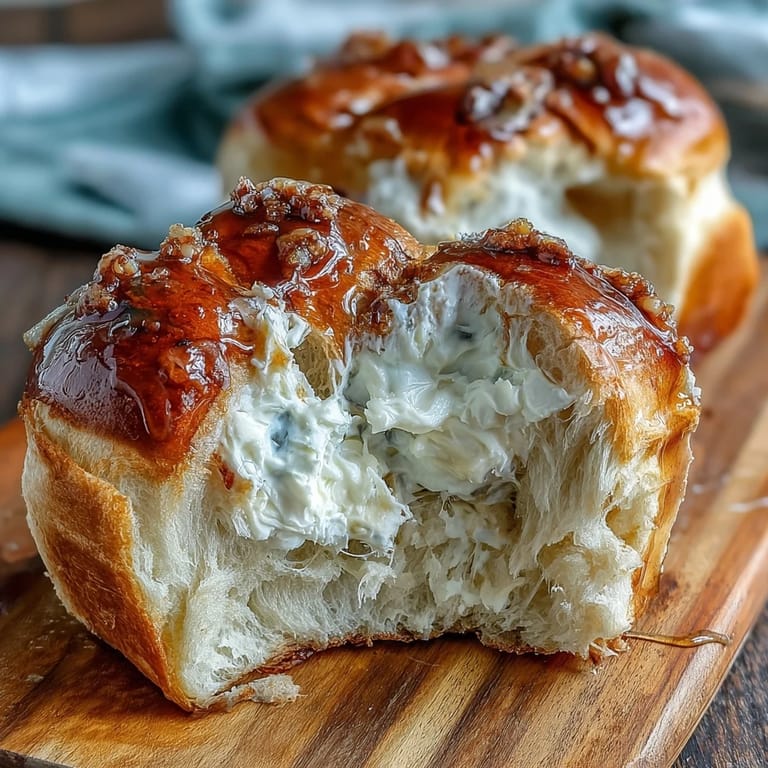
 This loaf has turned even the simplest lunch or breakfast into something to look forward to. I hope it brings as much delight to your days as it has to mine.
Recipe Questions
- → What is the tangzhong method and why use it?
Tangzhong is a cooked flour-and-liquid paste added to the dough to retain moisture. It creates a softer crumb, improves rise and keeps the loaf fresh longer without altering flavor.
- → Can I use all-purpose flour instead of bread flour?
All-purpose flour can work but the loaf will be slightly less elastic and airy. Bread flour's higher protein helps develop stronger gluten for that characteristic pillowy structure.
- → How long should I knead the dough?
Knead for 10–15 minutes by hand or in a stand mixer until the dough is smooth, elastic and slightly tacky. Proper gluten development is key for a soft, even crumb.
- → What are good rising conditions?
Rise in a warm, draft-free spot until doubled for the first rise (about 1 hour). For the second rise, let the loaf nearly reach the top of the pan, usually 30–45 minutes depending on ambient temperature.
- → Any tips for shaping the loaf?
Divide dough into three equal portions, roll each into a rectangle, fold the sides in and roll tightly into logs. Place seam-side down and press logs gently together for an even top after baking.
- → How should the loaf be stored and reheated?
Store cooled loaf in an airtight container at room temperature for several days. For best texture, toast slices lightly or warm in a low oven; avoid prolonged refrigeration to prevent staling.