 Save to Pinterest
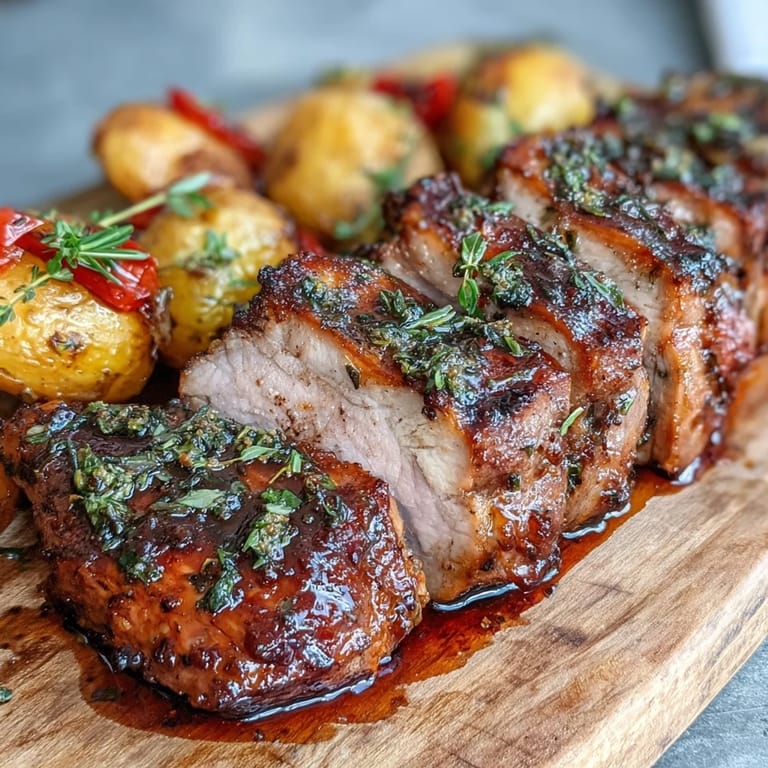
 The smell of smoked paprika and rosemary hit me the second I opened the fridge that morning, and I knew the pork had been soaking up every bit of flavor overnight. I'd bought the Ibérico fillet on a whim at a Spanish market, drawn in by the marbling and the vendor's insistence that it needed nothing more than good olive oil and time. When I finally pulled it from the marinade and heard it sizzle in the hot pan, I understood what he meant. This dish doesn't need fuss, just respect for the ingredients and a little patience. It's become my go-to when I want to impress without pretending to be a chef.
I made this for my sister's birthday last spring, and she still brings it up every time we talk about food. She's not easily impressed, but when I sliced into that pork and the center was perfectly pink, she actually put her phone down. We ate outside with the windows open, the potatoes so crispy they crackled, and the peppers sweet enough to balance the paprika's smoky edge. It was one of those meals where no one talked much at first, just passed plates and poured more wine. By the end, she'd asked me to write down the recipe twice.
Ingredients
- Ibérico pork fillet: The marbling in Ibérico makes it almost foolproof, staying moist and rich even if you slightly overcook it, though regular tenderloin works if you watch the temp closely.
- Extra virgin olive oil: Use the good stuff here since it carries all the marinade flavors and becomes part of the pan juices you'll want to drizzle at the end.
- Garlic: Minced fine so it melts into the marinade and doesn't burn when you sear the meat.
- Fresh rosemary: Chop it finely or it can be woody, but when it's done right, it perfumes the pork in a way dried herbs just can't.
- Smoked paprika: This is the soul of the dish, that deep, sweet smokiness that makes it taste like you've been cooking all day.
- Lemon zest and juice: Brightens everything and cuts through the richness without making it taste citrusy.
- Sea salt and black pepper: Season generously, the pork can handle it and the potatoes need it.
- Small new potatoes: Their thin skins crisp up beautifully and their creamy insides soak up all the paprika and thyme.
- Fresh thyme: Adds a subtle earthiness to the potatoes that plays well with the rosemary on the pork.
- Red bell peppers: They turn almost jammy in the oven, with caramelized edges that add sweetness to every bite.
Tired of Takeout? 🥡
Get 10 meals you can make faster than delivery arrives. Seriously.
One email. No spam. Unsubscribe anytime.
Instructions
- Marinate the Pork:
- Whisk together olive oil, garlic, rosemary, smoked paprika, lemon zest, lemon juice, salt, and pepper until it looks like a rustic paste. Rub it all over the pork fillet, making sure every inch is coated, then cover and let it sit in the fridge overnight so the flavors sink deep into the meat.
- Prepare the Oven:
- Crank your oven to 220°C and let it get fully hot while you prep everything else. A hot oven is what gives the potatoes their golden crust and keeps the pork juicy.
- Roast the Potatoes:
- Toss the quartered potatoes with olive oil, salt, pepper, smoked paprika, and thyme until they glisten. Spread them out on a baking tray in a single layer and roast for 35 to 40 minutes, giving them a stir halfway through so they crisp evenly on all sides.
- Roast the Red Peppers:
- On a separate tray, toss the pepper strips with olive oil, sliced garlic, and a pinch of salt. Slide them into the oven for 20 to 25 minutes until they're soft, sweet, and starting to char at the edges.
- Cook the Pork:
- Pull the pork from the marinade and pat it dry with paper towels so it sears instead of steams. Heat a tablespoon of olive oil in an ovenproof skillet over medium-high heat, then sear the fillet for 2 to 3 minutes per side until it's deeply browned, then move the whole skillet into the oven and roast for 12 to 15 minutes until it hits 63°C inside, resting it for 5 minutes before slicing so the juices settle.
- Serve:
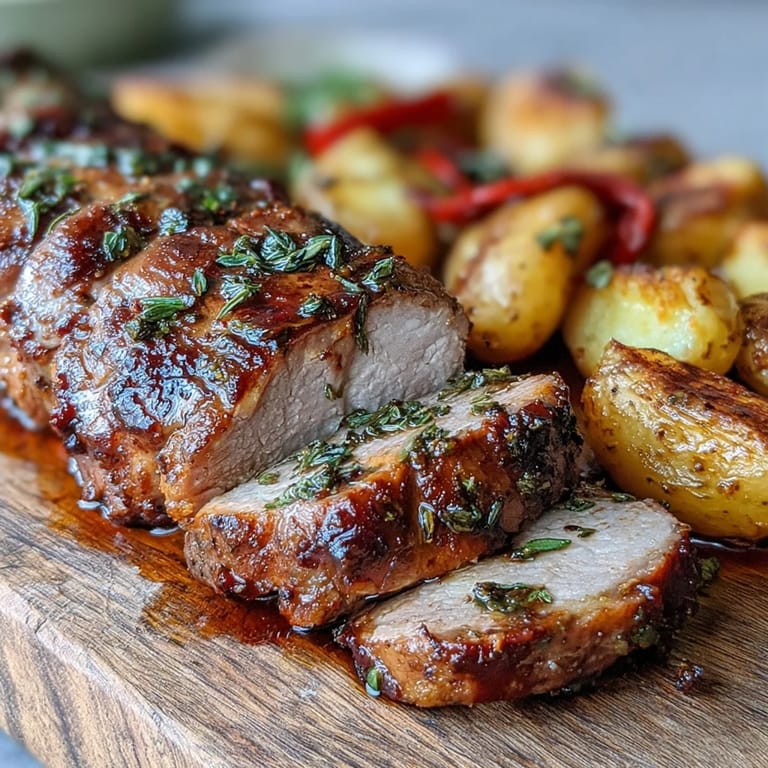
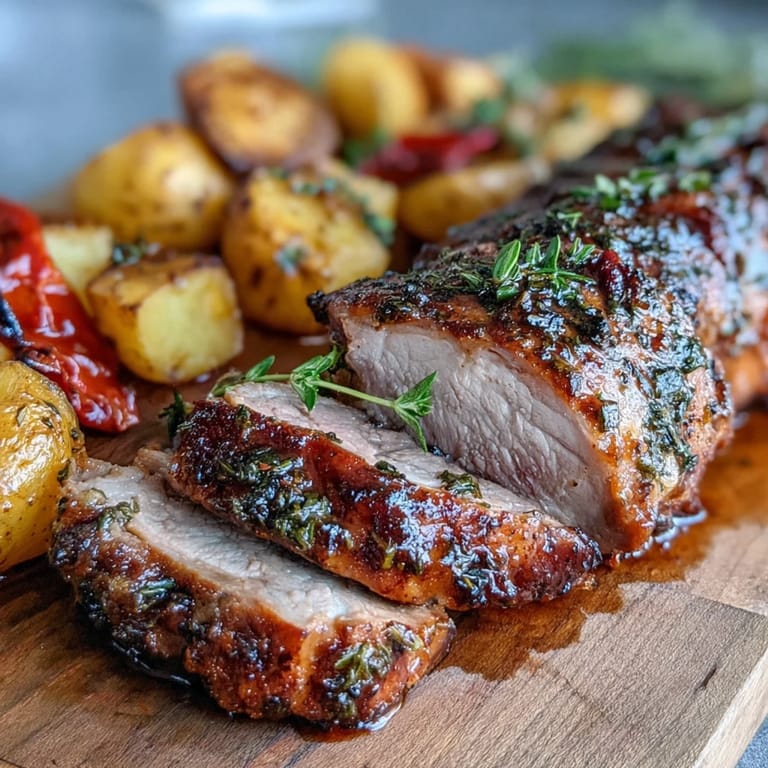
- Slice the pork into thick medallions and arrange them on plates with the crispy potatoes and caramelized peppers. Spoon any pan juices over the top for extra richness.
 Save to Pinterest
 The first time I served this, my friend who claims he doesn't like pork asked for seconds. He said it tasted nothing like what he remembered, that it was almost sweet and smoky at the same time, and he kept going back for more of those crispy potatoes. I realized then that this recipe doesn't just feed people, it changes their minds. It's the kind of meal that quietly proves a point without saying a word.
Getting the Timing Right
The beauty of this dish is that the potatoes take the longest, so you start them first and add the peppers about 15 minutes later. While everything roasts, you sear and finish the pork, and by the time it's rested, the vegetables are done. I usually set a timer for each component so I'm not guessing, and it all lands on the table at the same time, still hot and perfect. If you're nervous about juggling it all, just remember that the potatoes and peppers are forgiving, they can sit in a warm oven for a few extra minutes without suffering.
Choosing Your Pork
Ibérico pork is worth seeking out if you can find it, the fat melts into the meat as it cooks and leaves this nutty, almost buttery richness that regular pork doesn't have. But if it's not available or the price makes you wince, a good quality pork tenderloin will still give you a beautiful result, just keep a closer eye on the temperature since it has less fat to protect it. I've made this both ways, and while Ibérico feels like a special occasion, tenderloin makes it a weeknight possibility. Either way, the marinade does so much of the work that the pork will taste incredible.
What to Do with Leftovers
If you're lucky enough to have leftovers, slice the pork thin and pile it onto crusty bread with some of the peppers and a handful of arugula for next-day sandwiches that taste even better cold. The potatoes reheat well in a hot oven or skillet, getting crispy again if you give them a few minutes. I've also chopped everything up and tossed it with greens and a squeeze of lemon for a composed salad that feels like a whole new meal.
- Store the pork, potatoes, and peppers separately so they don't get soggy.
- Reheat the pork gently in a low oven to keep it tender.
- Use any leftover marinade to dress roasted vegetables or drizzle over grilled chicken.
 Save to Pinterest
 This dish has become my answer when someone asks what I'd cook if I had to impress without overthinking it. It's confident, warm, and tastes like you care, which is really all anyone wants from a home-cooked meal.
Recipe Questions
- → Can I use regular pork tenderloin instead of Ibérico?
Yes, regular pork tenderloin works well as a substitute. Ibérico pork has a richer, slightly nuttier flavor due to the breed and acorn-based diet, but standard tenderloin will still be delicious with this marinade. Adjust cooking time slightly as regular tenderloin may cook faster.
- → How long should I marinate the pork?
Marinate the pork overnight for best results, or at least 8 hours. This allows the garlic, rosemary, and smoked paprika to fully penetrate the meat, creating deeper flavor and improved tenderness.
- → What internal temperature should the pork reach?
Cook the pork fillet to an internal temperature of 63°C (145°F) for a slightly pink, juicy center. Always rest the meat for 5 minutes after roasting to allow juices to redistribute before slicing.
- → Can I prepare the vegetables ahead of time?
You can cut and season the potatoes and peppers up to 4 hours in advance. Store them covered in the refrigerator, then bring to room temperature before roasting for even cooking and better caramelization.
- → What wine pairs best with this dish?
A Spanish Rioja or Tempranillo complements the smoked paprika and rich pork beautifully. The wine's medium body and subtle oak notes enhance the rosemary and caramelized peppers without overwhelming the delicate Ibérico pork.
- → How do I know when the potatoes are done?
The potatoes are ready when they're golden brown on the outside and tender when pierced with a fork. Stirring them halfway through roasting ensures even crisping on all sides.