 Save to Pinterest
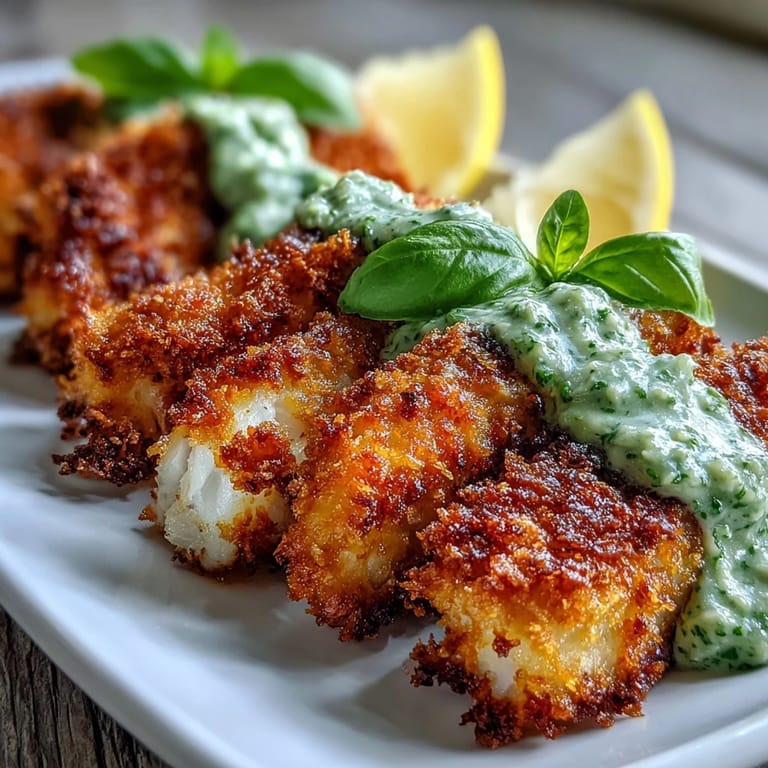
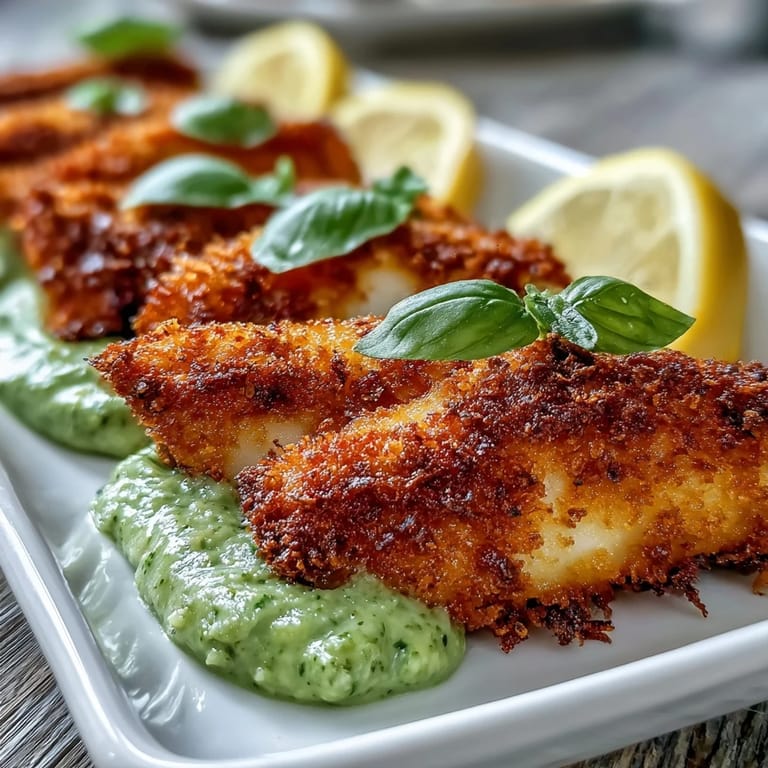
 The smell of lemon zest and grated Parmesan still takes me straight back to that cramped London kitchen where I first tried upgrading fish fingers into something I could serve at a dinner party. I was nervous about the timing, worried the fish would dry out or the crust would burn, but the moment those golden strips came out of the oven, crackling and fragrant, I knew I'd stumbled onto something special. My friend Sarah took one bite and declared them better than anything she'd ordered at the bistro down the street. That night, with pea pesto smeared across white plates and wine glasses catching the candlelight, I realized how a simple childhood comfort could grow up without losing its soul.
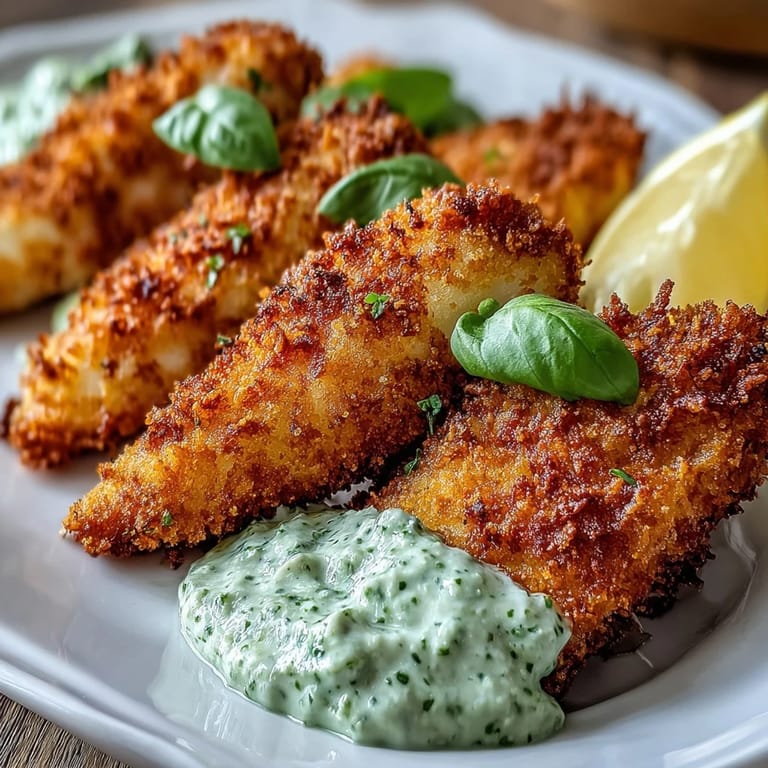
I made these on a rainy Tuesday when I needed something to lift the gloom, and the kitchen filled with the scent of toasted breadcrumbs and garlic. My partner wandered in halfway through, drawn by the smell, and started setting the table without being asked. We ate them straight off the baking sheet at first, too impatient to plate them properly, dipping each goujon into the vivid green pesto and laughing at our lack of restraint. It became our go-to for evenings when we wanted something special but didn't have the energy for anything fussy.
Ingredients
- Skinless haddock fillets: Haddock has a delicate sweetness and firm texture that holds up beautifully when baked, though cod or pollock work just as well if that's what your fishmonger has fresh.
- Plain flour: This first coating helps the egg cling to the fish, creating a base for that crispy outer layer.
- Large eggs: Beaten eggs act as the glue between flour and breadcrumbs, sealing in moisture while the crust crisps.
- Panko breadcrumbs: These Japanese-style crumbs are lighter and airier than regular breadcrumbs, giving you that shatteringly crisp texture.
- Finely grated Parmesan cheese: The Parmesan adds a salty, nutty depth and helps the crust turn deeply golden in the oven.
- Freshly ground black pepper: A little heat and spice balance the richness of the cheese and fish.
- Sea salt: Essential for seasoning the crust and bringing out the natural flavors of the haddock.
- Smoked paprika: Optional but lovely, it adds a subtle warmth and a hint of color to the coating.
- Frozen peas: They blanch quickly and blend into a sweet, vibrant pesto that feels like springtime on a plate.
- Fresh basil leaves: Basil brings that classic pesto fragrance and a peppery brightness to the peas.
- Parmesan cheese for pesto: A little more Parmesan in the pesto ties the whole dish together with its savory richness.
- Small garlic clove: One clove is enough to add bite without overwhelming the delicate pea flavor.
- Pine nuts: They lend a buttery, creamy texture to the pesto, though sunflower seeds work beautifully if you need a nut-free option.
- Extra-virgin olive oil: This emulsifies the pesto and adds a fruity richness that coats your tongue.
- Juice of half a lemon: Lemon brightens everything, cutting through the richness and making the pesto sing.
- Lemon wedges for serving: A squeeze of fresh lemon over the hot goujons is non-negotiable.
Tired of Takeout? 🥡
Get 10 meals you can make faster than delivery arrives. Seriously.
One email. No spam. Unsubscribe anytime.
Instructions
- Preheat and Prepare:
- Set your oven to 200°C (180°C fan) or 400°F and line a baking sheet with parchment paper. This keeps the goujons from sticking and makes cleanup a breeze.
- Set Up Your Coating Station:
- Arrange three shallow bowls in a row: flour in the first, beaten eggs in the second, and a mixture of panko, Parmesan, pepper, salt, and smoked paprika in the third. This assembly line makes coating the fish quick and tidy.
- Coat the Haddock:
- Take each haddock strip and dust it lightly in flour, shaking off any excess, then dip it into the beaten egg, letting the extra drip back into the bowl. Finally, press it gently into the Parmesan-panko mixture, turning to coat all sides evenly, then lay it on the prepared baking sheet.
- Bake Until Golden:
- Lightly spray or drizzle the coated goujons with olive oil to help them crisp up. Bake for 15 to 20 minutes, turning them halfway through, until they are golden brown and the fish flakes easily with a fork.
- Make the Pea Pesto:
- While the fish bakes, blanch the peas in boiling water for 2 minutes, then drain and run them under cold water to keep their bright green color. Toss the peas into a food processor with basil, Parmesan, garlic, pine nuts, olive oil, and lemon juice, then blitz until the mixture is mostly smooth but still has a little texture.
- Season and Serve:
- Taste the pesto and adjust with salt, pepper, or an extra squeeze of lemon. Serve the hot, crispy goujons with a generous spoonful of pesto, lemon wedges on the side, and a handful of mixed salad leaves if you like.
 Save to Pinterest
 One evening, I served these to my dad, who has never been impressed by anything that isn't deep-fried, and he went quiet for a moment before asking for seconds. He didn't say much, but he scraped every bit of pesto off his plate with the last goujon, and that silence felt like the highest praise. It is funny how food can say things we struggle to put into words.
Getting the Crust Just Right
The secret to that shatteringly crisp Parmesan crust is a light hand with the oil and a hot oven. Too much oil and the breadcrumbs will steam rather than crisp. A quick spritz from a spray bottle or a drizzle from a spoon is all you need to encourage browning. I learned this after a batch came out pale and soft, and now I never skip that final touch of olive oil before sliding the tray into the oven.
Why Pea Pesto Works So Well
Pea pesto has all the freshness of basil pesto but with a natural sweetness that complements the salty Parmesan crust beautifully. The peas also give the sauce a creamy body without needing loads of oil or cheese, which makes it feel lighter and brighter. I started making it when I had a bag of frozen peas that needed using up, and now I prefer it to traditional pesto with fish every time.
Making It Your Own
This recipe is forgiving and flexible, so do not be afraid to swap ingredients based on what you have or what your family prefers. Cod and pollock are excellent substitutes for haddock, and gluten-free flour and breadcrumbs work perfectly if you need them. If pine nuts are too pricey or someone has an allergy, toasted sunflower seeds bring a similar richness to the pesto without the cost or worry.
- Try adding a pinch of chili flakes to the breadcrumb mixture if you like a little heat.
- Serve the goujons in toasted buns with lettuce and pesto for an elevated fish finger sandwich.
- Leftover pesto keeps in the fridge for up to three days and is wonderful stirred through pasta or spread on toast.
 Save to Pinterest
 These goujons have become one of those recipes I return to when I want to feel capable and calm in the kitchen, something that always works and always tastes like care. I hope they bring you the same quiet satisfaction they have brought me.
Recipe Questions
- → Can I use a different type of fish instead of haddock?
Yes, cod or pollock work excellently as substitutes. Choose firm white fish fillets that hold their shape when cut into strips and baked.
- → How do I make this dish gluten-free?
Simply replace the plain flour with gluten-free flour and use gluten-free breadcrumbs instead of panko. The rest of the preparation remains the same.
- → Can I prepare the pea pesto in advance?
Absolutely. The pesto can be made up to 2 days ahead and stored in an airtight container in the refrigerator. Drizzle a thin layer of olive oil on top to prevent browning.
- → What can I use instead of pine nuts for the pesto?
Toasted sunflower seeds make an excellent nut-free alternative. They provide similar texture and richness while keeping the pesto safe for those with nut allergies.
- → Can I fry these goujons instead of baking them?
Yes, you can shallow or deep fry them in vegetable oil at 180°C for 3-4 minutes until golden. Baking is healthier, but frying creates an extra crispy texture.
- → What wine pairs well with this dish?
A crisp Sauvignon Blanc or dry sparkling wine complements the delicate fish and bright pesto flavors beautifully. A light Pinot Grigio also works wonderfully.