 Save to Pinterest
 My neighbor showed up with a bag of fresh guavas one summer evening, and I had no idea what to do with them. She casually mentioned guava paste in a sauce, and something about that combination sparked curiosity—tropical sweetness meeting smoky barbecue felt like it shouldn't work, yet somehow it does. That first batch was revelatory, the kind of happy accident that becomes a regular dinner rotation. Now whenever someone asks what I'm making for grilled chicken, this is it.
I made this for my sister's birthday dinner last spring, and she literally paused mid-bite to ask what was in the sauce. Watching someone discover a flavor combination they've never experienced before—that moment when their face shifts from curiosity to genuine delight—that's why I keep cooking. The tropical notes and the smoky char created this perfect tension on the plate, and honestly, she's asked me to make it every time we gather now.
Ingredients
- Guava paste: This is your foundation, and it needs to be the real stuff—the kind that comes in a block and actually tastes like guava, not artificial sweetness. I learned the hard way that quality matters here because the sauce is only as good as its star ingredient.
- Ketchup: This acts as your umami anchor and helps the sauce cling to the chicken; it's not about making it taste tomatoey, it's about structure and depth.
- Apple cider vinegar: The tang is what prevents the sauce from becoming cloying, and it brightens everything right at the last moment.
- Brown sugar: A couple tablespoons is all you need to round out the flavor without tipping into dessert territory.
- Worcestershire sauce: Use the gluten-free version if that matters to you, and honestly, it deepens the savory notes in ways that feel almost invisible but absolutely necessary.
- Dijon mustard: Just enough to add a subtle sharp note that plays beautifully against the guava's sweetness.
- Garlic and smoked paprika: These two create the backbone that says barbecue, preventing the sauce from feeling too exotic or one-dimensional.
- Bone-in, skin-on chicken thighs: Forget breasts for this recipe; thighs have the fat content that keeps them forgiving and delicious, and the skin is where the magic happens.
- Olive oil: A light coat helps the seasoning stick and encourages that golden crispy skin.
Tired of Takeout? 🥡
Get 10 meals you can make faster than delivery arrives. Seriously.
One email. No spam. Unsubscribe anytime.
Instructions
- Heat your oven and prep your workspace:
- Get your oven to 400°F and line a baking sheet with foil or parchment—this makes cleanup easy and helps the chicken cook evenly. You're setting yourself up for success here.
- Build the guava BBQ sauce:
- Combine guava paste, ketchup, vinegar, brown sugar, Worcestershire, mustard, minced garlic, smoked paprika, cayenne if you're feeling it, salt, and pepper in a saucepan over medium heat. Stir constantly and watch as the guava paste melts into this gorgeous, glossy sauce—it takes about 5 to 7 minutes and smells incredible.
- Dry and season the chicken:
- Pat your chicken thighs completely dry with paper towels; this step matters more than you'd think because it helps the skin crisp instead of steam. Rub them generously with olive oil, salt, black pepper, and garlic powder on all sides, being especially thorough with the skin.
- Start the roast:
- Arrange chicken skin-side up on your prepared baking sheet and slide it into the oven for 25 minutes. You're going for partially cooked at this stage, with the skin just beginning to tighten and turn golden.
- Glaze and finish:
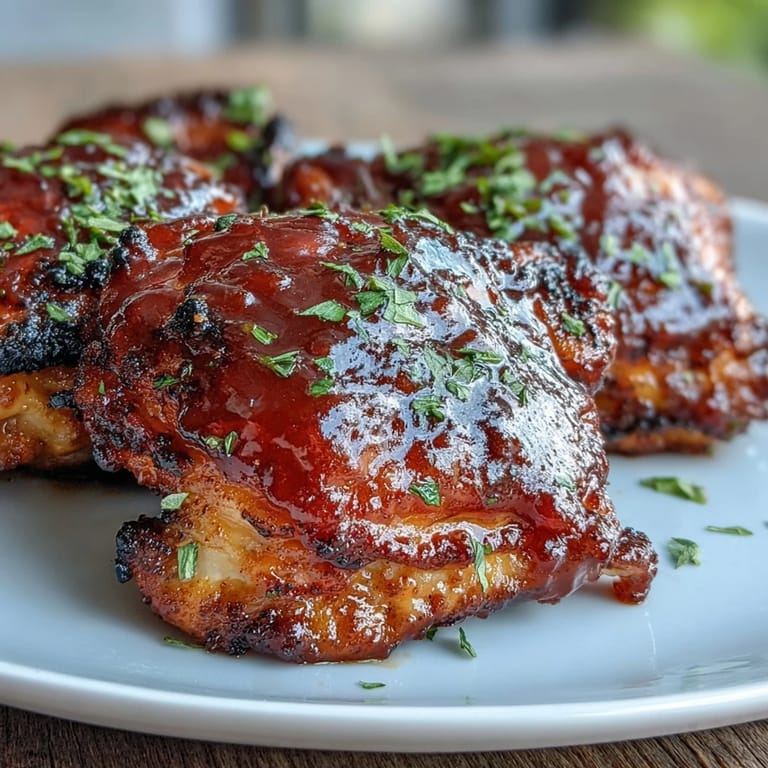
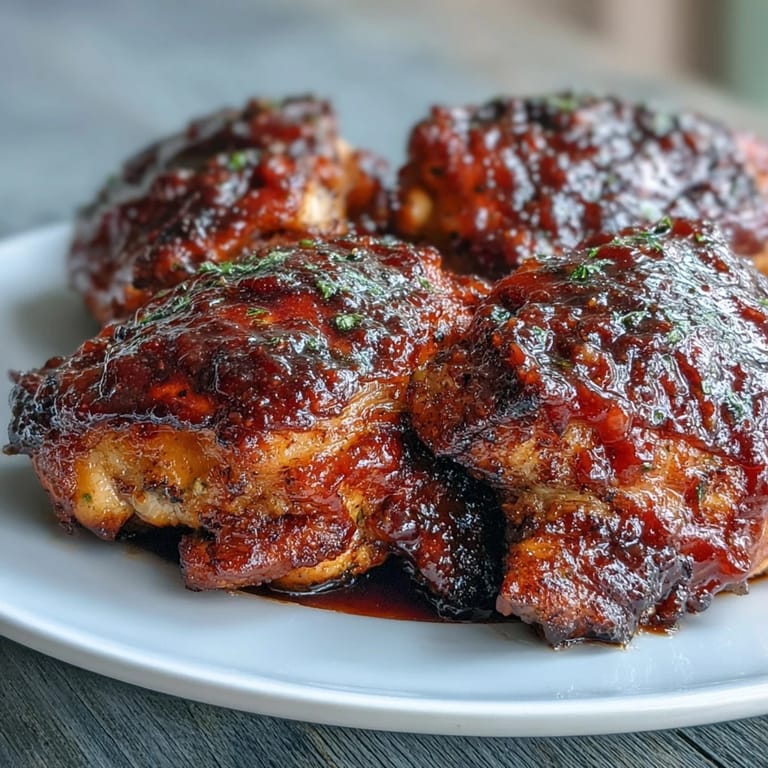
- Remove the baking sheet carefully, brush the chicken generously with your guava sauce, and return it to the oven. Roast for another 20 to 25 minutes, brushing again halfway through, until the internal temperature hits 165°F and the glaze is caramelized and glossy.
- Rest and serve:
- Let the chicken rest for 5 minutes—this keeps the juices inside instead of on the plate. Serve with extra sauce on the side for dipping.
 Save to Pinterest
 There's something about watching someone taste this for the first time that makes cooking feel worthwhile. The moment the tropical sweetness hits their palate followed by the smoky depth—it's like taking their taste buds somewhere unexpected. That's when food stops being fuel and becomes an experience, a small gift you're giving with your hands and time.
Why Guava Works with Barbecue
At first glance, tropical fruit and barbecue seem like they belong in different culinary worlds. But guava has this natural tartness and complexity that actually amplifies smoky, savory flavors instead of fighting them. It's not cloying or one-note; it has backbone. The sweetness provides contrast, but the acidity and subtle earthiness make it feel like a legitimate barbecue sauce rather than a fruit dessert masquerading as dinner.
Timing and Temperature Control
The two-stage roasting method here is intentional and worth understanding. By roasting the chicken plain first, you establish a foundation of cooked meat and browning skin without the sauce burning or the glaze drying out. Then the glazing happens when the chicken is already partially cooked, so the sauce caramelizes and sticks instead of charring. It's the difference between a glossy, professional-looking dish and one that looks overdone.
Making It Your Own and Storage
This recipe is flexible in ways that make it useful in real kitchens with real constraints. The sauce keeps for a week in the fridge, so make a double batch on Sunday and you've got glaze for Wednesday's dinner without the effort. You can swap guava jelly for paste if you're in a pinch, though you'll want to reduce the brown sugar slightly since jelly is sweeter. Here's what I've learned from experimentation and small kitchen moments.
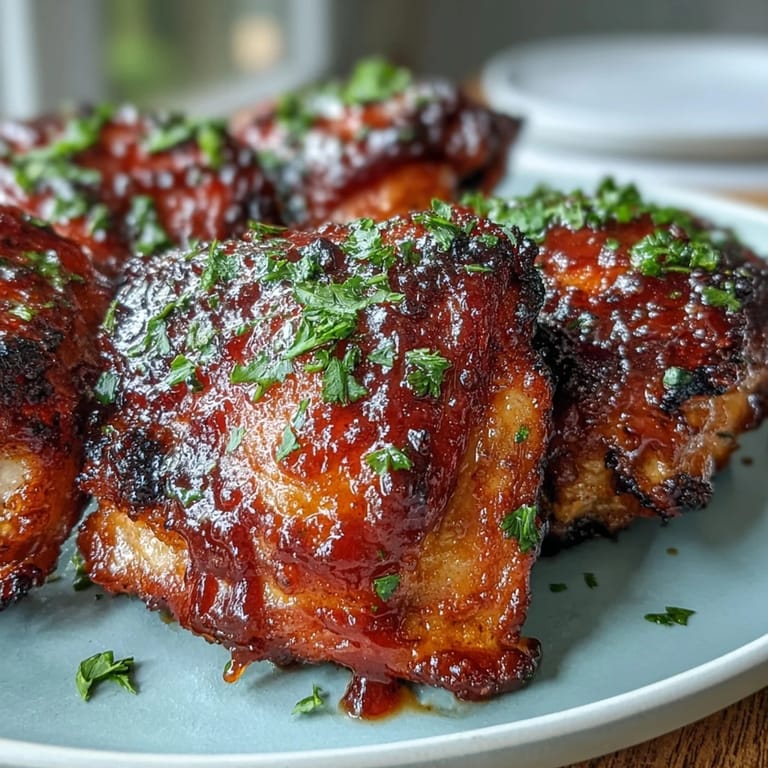
- For extra char and deeper caramelization, run the glazed chicken under the broiler for 2 to 3 minutes at the end, but watch it constantly because the line between caramelized and burned is thin.
- Grilled pineapple on the side is not just a suggestion—it's the perfect companion, echoing the tropical notes and providing textural contrast.
- This sauce works beautifully on ribs, pulled pork, or even roasted vegetables if you ever have leftover and an adventurous mood.
 Save to Pinterest
 This dish has become my go-to when I want to impress without exhausting myself, and it never fails to spark conversation. Every time I make it, I'm grateful for that neighbor and her bag of mysterious fruit that started it all.
Recipe Questions
- → What does guava BBQ sauce taste like?
Guava BBQ sauce combines sweet tropical fruit flavors with tangy vinegar and smoky spices. The result is a balanced glaze that's fruitier than traditional barbecue sauce but still savory and rich, with subtle heat from cayenne pepper.
- → Can I use chicken breasts instead of thighs?
Yes, bone-in chicken breasts work well. Adjust cooking time to 20-25 minutes initially, then glaze and finish for 10-15 minutes. Breasts cook faster than thighs, so monitor internal temperature to avoid drying.
- → How do I store leftover guava BBQ sauce?
Store cooled sauce in an airtight container in the refrigerator for up to one week. The flavors often develop and improve after a day. Reheat gently on the stove before using, adding a splash of water if too thick.
- → What sides pair well with this glazed chicken?
Complement the tropical flavors with coconut rice, grilled pineapple wedges, roasted sweet potatoes, or crisp cucumber salad. The sweetness also balances well with savory sides like garlic mashed potatoes or quinoa.
- → Can I make this on a grill instead?
Absolutely. Grill chicken thighs over medium heat for 25-30 minutes, turning occasionally. Brush with guava sauce during the last 5-10 minutes of cooking, watching closely to prevent burning due to the sauce's sugar content.
- → Is this dish spicy?
The cayenne pepper adds mild warmth, but the dish isn't overly spicy. The heat is subtle and balances the sweet guava flavors. Omit the cayenne entirely if you prefer a milder glaze.