 Save to Pinterest
 I stumbled on this sauce during a week when my farmers market haul got wildly out of hand. Spinach, cabbage, every herb I could grab, all threatening to wilt by morning. Instead of letting them fade, I tossed them in the blender with whatever creamy things I had on hand. What came out was this shockingly green, impossibly fresh sauce that tasted like spring in a bowl. My partner took one bite and declared it magic, and honestly, I couldn't argue.
The first time I made this for friends, I served it cold the next day as pasta salad at a picnic. Someone asked if I'd ordered it from that expensive market downtown. I just smiled and said nothing, letting them think I was fancier than I am. It became my potluck secret weapon after that.
Ingredients
- Baby spinach: The mildest green here, it blends silky and adds body without bitterness. Don't skip it, even if you think you have enough herbs.
- Green cabbage: This was my wildcard addition and it worked beautifully, giving the sauce a subtle sweetness and helping it cling to the pasta.
- Fresh parsley: Bright and grassy, it keeps the sauce from tasting too heavy or one note.
- Fresh basil: Sweet and aromatic, basil makes the whole thing smell like summer in the best way.
- Fresh chives: They add a gentle onion flavor that doesn't overpower but definitely gets noticed.
- Fresh tarragon: Optional but worth it if you have it. Tarragon brings this subtle anise thing that makes people ask what your secret is.
- Garlic: Two cloves give just enough punch without turning the sauce into garlic paste.
- Green onions: A little sharpness, a little sweetness. They tie the greens and herbs together.
- Avocado: This is what makes the sauce feel luxurious and helps it coat every strand of pasta like a dream.
- Greek yogurt or sour cream: Tangy creaminess that balances all that green freshness.
- Mayonnaise: Don't judge me. It adds richness and helps everything emulsify into something smooth.
- Parmesan cheese: Salty, nutty, essential. Freshly grated is always better.
- Lemon juice: Freshly squeezed is non negotiable here. It wakes everything up.
- White wine vinegar: Just a teaspoon, but it sharpens the flavors in a way lemon alone can't.
- Olive oil: Good quality makes a difference. It smooths out the texture and adds its own fruity note.
- Salt and black pepper: Taste as you go. The sauce needs more salt than you think.
- Crushed red pepper flakes: Optional, but a pinch adds a tiny kick that keeps things interesting.
- Dried pasta: Linguine is my favorite here, but penne works great if you want the sauce to get inside the tubes.
Tired of Takeout? 🥡
Get 10 meals you can make faster than delivery arrives. Seriously.
One email. No spam. Unsubscribe anytime.
Instructions
- Boil the pasta:
- Get a big pot of water boiling with a generous handful of salt. Cook your pasta until it's just al dente, with a little bite left. Before you drain it, scoop out half a cup of that starchy pasta water and set it aside.
- Blend the sauce:
- While the pasta bubbles away, throw all your greens, herbs, garlic, green onions, avocado, yogurt, mayo, Parmesan, lemon juice, vinegar, olive oil, salt, and pepper into a blender or food processor. Blend until it's completely smooth and vibrant green, stopping to scrape down the sides if needed.
- Adjust the consistency:
- If the sauce looks too thick, add that reserved pasta water one tablespoon at a time until it's pourable but still creamy. You want it to coat a spoon but not sit there like pudding.
- Taste and tweak:
- This is where you make it yours. Add more salt, pepper, or lemon juice until it tastes exactly right to you.
- Toss and serve:
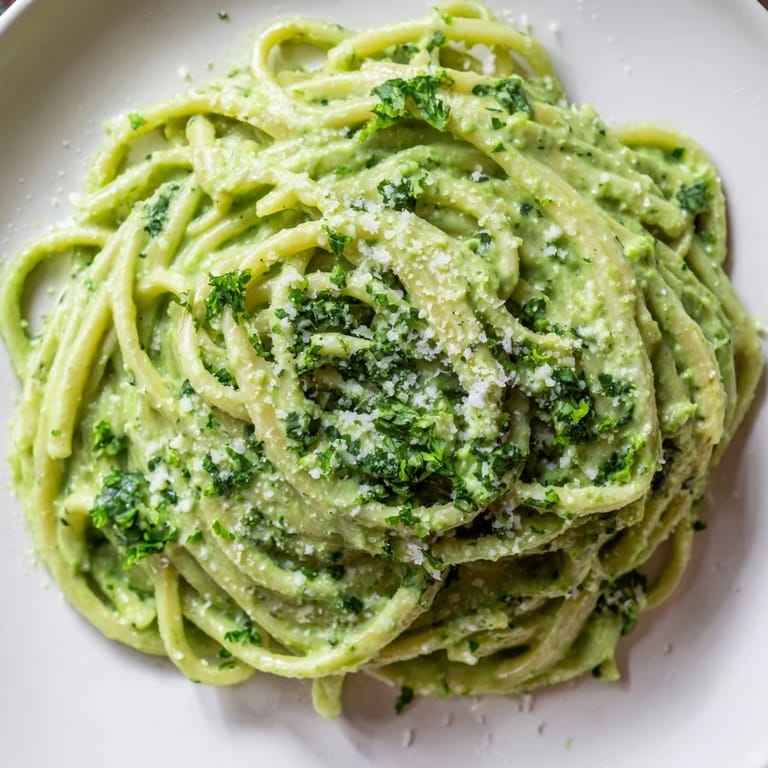
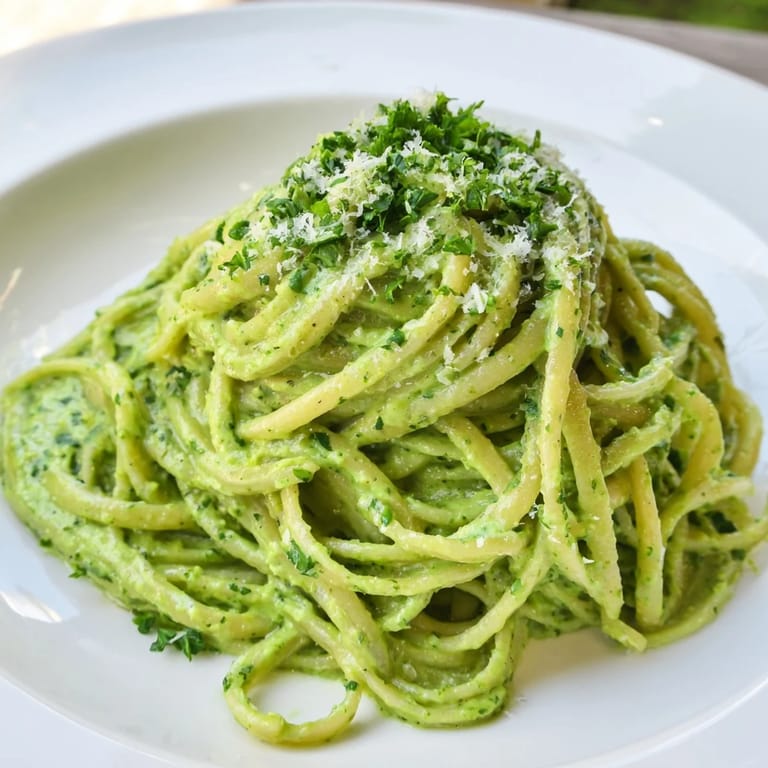
- Drain the pasta and toss it with the sauce while it's still hot. The heat helps the sauce cling and meld with every strand. Serve it right away, maybe with extra herbs and Parmesan on top if you're feeling fancy.
 Save to Pinterest
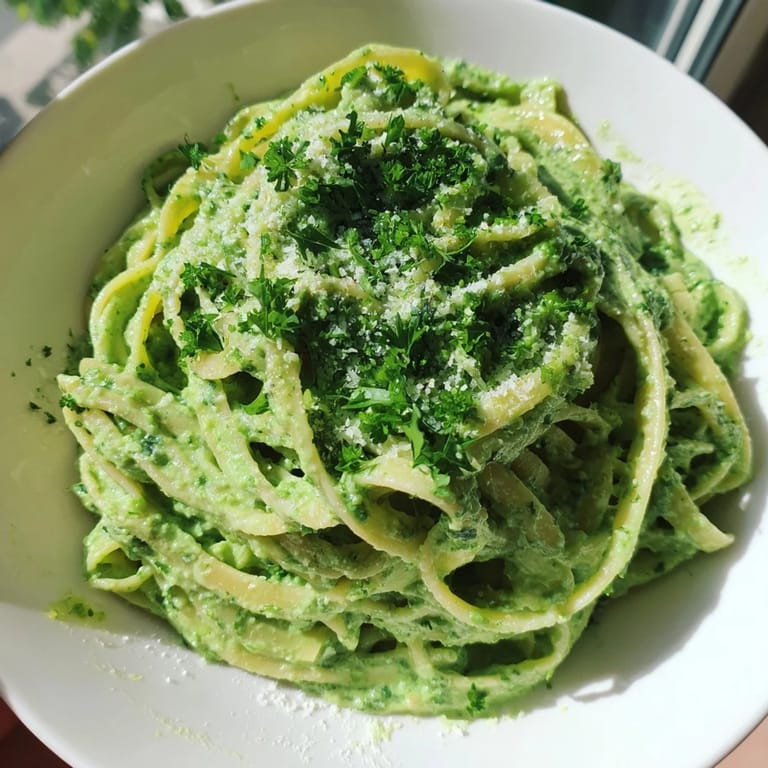
 There's a moment right after you toss the hot pasta with the sauce when the whole kitchen smells like fresh cut grass and herbs and something almost floral. That's when I know it's going to be good. My kids, who normally avoid anything green, will actually eat this without complaint. That alone feels like a small miracle.
Making It Your Own
You can swap the greens and herbs based on what you have. I've used arugula instead of spinach for a peppery kick, and once I threw in some mint because I had a bunch wilting in the fridge. It was different but still delicious. If you want it vegan, just use plant based yogurt and mayo and skip the Parmesan or use a vegan version. The texture stays creamy and nobody will know the difference.
Serving Suggestions
This is fantastic warm right out of the pot, but it's equally good cold the next day as a pasta salad. I like to add cherry tomatoes and cucumber if I'm serving it cold. It pairs beautifully with a crisp white wine like Sauvignon Blanc, something that echoes all those bright herby flavors. A simple green salad and some crusty bread and you've got a meal that feels complete.
Storage and Leftovers
Leftover sauce keeps in the fridge for about three days in an airtight container. The color might dull slightly, but the flavor stays bright. You can thin it out with a splash of water or lemon juice when you reheat it. I've even used leftover sauce as a dip for raw veggies or a spread on sandwiches, and it works surprisingly well.
- Store the sauce separately from the pasta if you can, so the noodles don't get soggy.
- If you're making this ahead, blend the sauce in the morning and toss it with hot pasta right before serving.
- Freeze the sauce in ice cube trays for quick single servings later, though the texture might be slightly grainy after thawing.
 Save to Pinterest
 This sauce taught me that sometimes the best recipes come from necessity and a little bit of faith. I hope it becomes one of those dishes you make without thinking, the kind that feels like home.
Recipe Questions
- → Which greens produce the best flavor?
Baby spinach, green cabbage, parsley, basil, and chives provide a fresh and balanced herbaceous profile, while optional tarragon adds a unique note.
- → Can I substitute dairy ingredients?
Yes, plant-based yogurt and vegan mayonnaise can substitute dairy for a vegan adaptation, and Parmesan can be replaced with a vegan alternative.
- → How do I achieve the perfect sauce consistency?
Blend all ingredients smooth, then gradually add reserved pasta water until the sauce reaches a pourable, creamy texture that coats pasta evenly.
- → What pasta types work best with this sauce?
Long noodles like linguine or spaghetti work well, but penne and other dried pasta shapes pair nicely for capturing the creamy sauce.
- → Are there recommended garnishes for serving?
Extra fresh herbs and grated Parmesan enhance presentation and deepen the aromatic flavors for a delicious finish.