 Save to Pinterest
 There's something about the smell of garlic and lemon hitting hot oil that makes me stop whatever I'm doing and just breathe it in. My neighbor brought over a tilapia fillet one random Tuesday evening and asked if I knew what to do with it, and honestly, I was intimidated until I realized the simplest approach would be the best one. Throwing it on a sheet pan with whatever vegetables were crowding my crisper drawer turned into this meal that my family now requests constantly. It's become my go-to when I want something that feels impressive but doesn't demand hours in the kitchen.
I made this for my sister when she mentioned she was trying to eat healthier, and watching her go back for seconds made me realize this wasn't just a weeknight filler dish. The way the cherry tomatoes burst slightly and release their sweetness, creating a little pool of flavor around the fish, felt like proof that simple really does work. She's made it three times since that dinner, and she texts me photos from her kitchen.
Ingredients
- Tilapia fillets (4, about 5–6 oz/140–170 g each): Pat them completely dry before roasting so they develop a gentle, even cook instead of steaming themselves. Look for fillets that are pale and evenly thick.
- Zucchini (2 medium, sliced into half-moons): Half-moons cook faster and more evenly than spears, plus they nestle beautifully around the fish on the pan.
- Cherry tomatoes (2 cups/300 g, halved): Halving them releases their juices into the pan, creating a light, naturally flavored sauce that pools around everything.
- Red onion (1 small, thinly sliced): Optional, but the slight bite it adds cuts through the richness of the oil and complements the fish perfectly.
- Olive oil (3 tbsp): Good olive oil matters here because it's doing the heavy lifting flavor-wise, so use one you'd actually taste on bread.
- Garlic (3 cloves, minced): Mince it fine so it toasts into the oil rather than burning, creating an aromatic base that infuses the entire dish.
- Fresh parsley and basil (1 tbsp each, chopped): Fresh herbs brighten everything at the last moment, so if you only have dried, use half the amount and accept that it'll taste different but still good.
- Oregano (1 tsp dried): Dried oregano actually works beautifully here because it cooks into the oil and becomes more mellow than fresh would.
- Lemon zest and juice (1 whole lemon): Don't skip the zest—it carries brightness that plain juice alone can't deliver, and it makes you feel like you know what you're doing.
- Salt and black pepper (½ tsp and ¼ tsp): Taste as you season the marinade so you're not second-guessing yourself partway through.
Tired of Takeout? 🥡
Get 10 meals you can make faster than delivery arrives. Seriously.
One email. No spam. Unsubscribe anytime.
Instructions
- Set your oven temperature and prep your pan:
- Preheat to 400°F (200°C) and line a large rimmed baking sheet with parchment paper or foil—this one small step saves you from scrubbing pan later and lets the vegetables roast without sticking. You want your oven actually hot when the food goes in.
- Make the marinade in one small bowl:
- Whisk together olive oil, minced garlic, parsley, basil, oregano, salt, pepper, lemon zest, and lemon juice until it looks cohesive and smells like dinner. This isn't a precise science—if your whisks are vigorous, great, if you just stir it together gently, also great.
- Arrange and season the vegetables first:
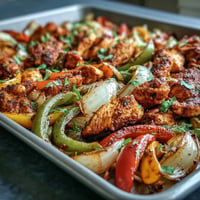
- Scatter zucchini, cherry tomatoes, and red onion across the baking sheet, drizzle with half the marinade, and toss until everything's coated and spread into a single layer. Leave the center and edges open because the fish needs its own space and won't cook properly wedged tightly between vegetables.
- Nestle in the fish and finish with marinade:
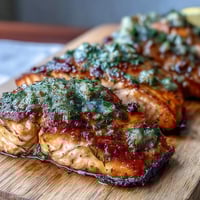
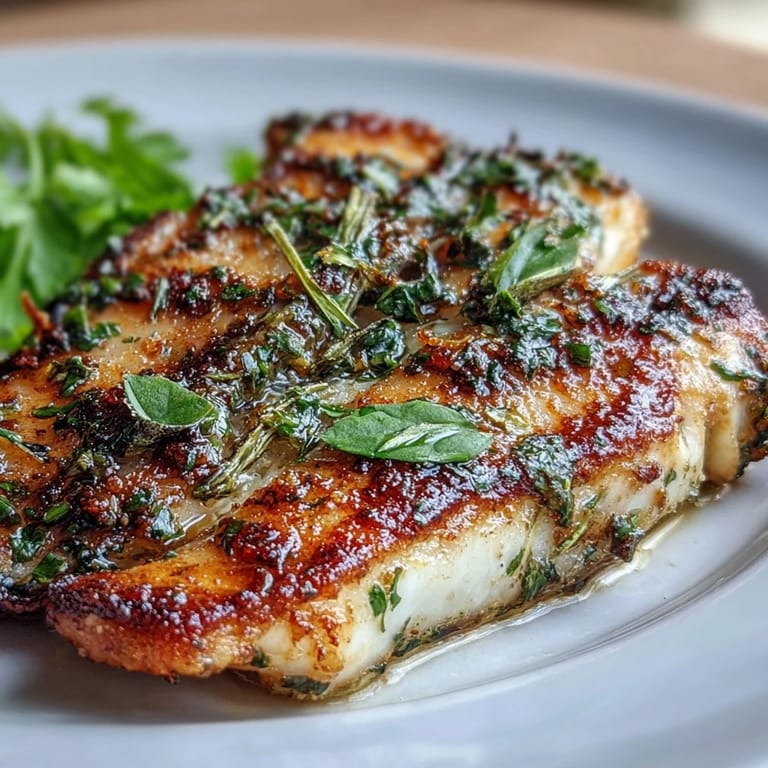
- Lay the tilapia fillets among the vegetables in a way that feels natural to you, then spoon the remaining marinade over the top of each fillet. The fish doesn't need aggressive seasoning because it's delicate, so a gentle hand here is your friend.
- Roast until the fish flakes easily:
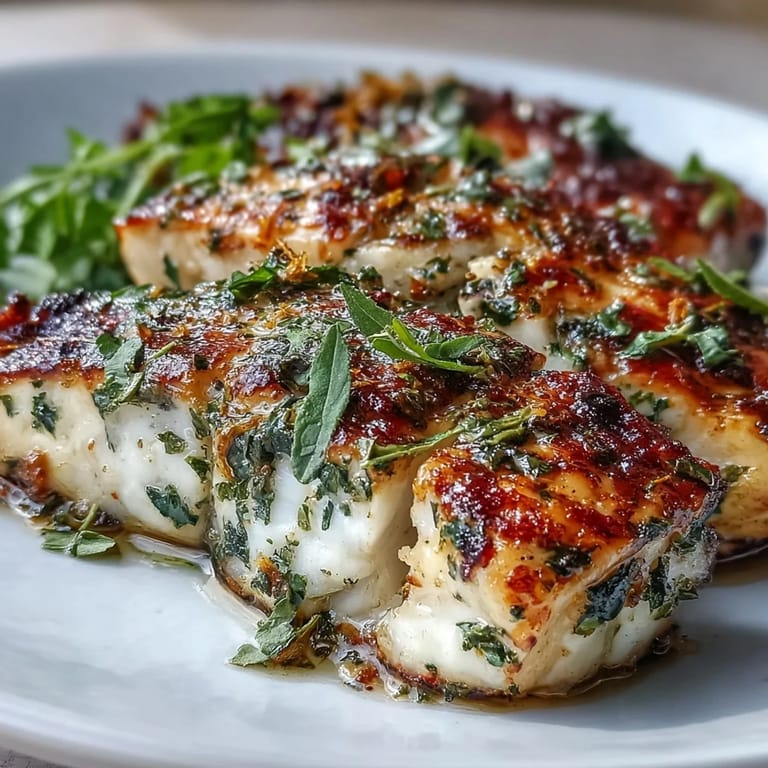
- Slide everything into the hot oven for 16–18 minutes, watching toward the end because every oven cooks differently and you want the fish just done, not rubbery. The fish is ready when the flesh separates easily with a fork and the vegetables have softened slightly at the edges.
- Garnish and serve immediately:
- Scatter fresh parsley over the top and add lemon wedges around the pan, then bring it straight to the table so the flavors are still at their brightest. If you let it sit, the lemon flavor fades and the whole thing becomes less vibrant.
 Save to Pinterest
 My eight-year-old actually ate the zucchini from this dish, which felt like a small miracle. There's something about roasting that transforms how kids see vegetables, and the way the tomatoes caramelize slightly made them almost sweet. That's when I realized this recipe wasn't just quick, it was actually teaching someone to enjoy food that's good for them.
Why This Works as a Sheet Pan Meal
Sheet pan cooking is brilliant because every component roasts at the same temperature for the same amount of time, which means you're not juggling multiple pans or timing things perfectly. The vegetables release moisture, which creates a light pan sauce that the fish essentially braises in from below while roasting gently from above. It's Physics meets practical cooking, and it results in fish that's flaky and moist instead of that dry, overcooked texture that makes people say they don't like fish.
Flexibility and Substitutions
I've made this with cod when tilapia was out of stock, and with haddock when I was feeling fancy, and honestly all mild white fish works beautifully here. The beauty of this dish is that whatever vegetables you have in your fridge will roast in the same time—bell peppers, asparagus, thin-sliced fennel, even small broccoli florets fit perfectly into this formula. The herbs are forgiving too; if you only have dried basil or oregano, cut the amount roughly in half and let it cook into the oil rather than adding fresh at the end.
Serving Suggestions and Pairings
Serving this straight from the pan feels right, like you're casual enough to know you've made something delicious but not so formal you're fussy about plating. If you want something on the side, a grain like quinoa or rice soaks up the pan juices beautifully, or crusty bread is there if you want to be honest about your appetite. The wines that pair best are crisp and light—Sauvignon Blanc or Pinot Grigio sit right next to this meal and make it feel like a Friday night rather than a Tuesday dinner.
- Serve the whole pan at the table and let people plate themselves, which feels generous and less like cooking for them.
- A fresh green salad on the side adds volume without adding heaviness to an already healthy meal.
- Make this when you have people coming over last-minute because it's impressive and legitimately easy.
 Save to Pinterest
 This recipe has become the dish I make when I want to feel like I'm taking care of people without spending the whole evening in my kitchen. There's something genuinely satisfying about sliding a single pan into the oven and walking away knowing everything that comes out will be delicious.
Recipe Questions
- → Can I use other fish instead of tilapia?
Yes, mild white fish like cod or haddock work well and can be substituted easily for a similar texture and flavor.
- → What vegetables can I add or swap?
Bell peppers, asparagus, or other seasonal vegetables can be added or replaced to customize the dish to your taste.
- → How do I know when the fish is cooked?
The fish should flake easily with a fork and appear opaque throughout when fully cooked after roasting.
- → Can this dish be made gluten-free?
Yes, it is naturally gluten-free, but check that all seasonings and packaged items contain no gluten.
- → What sides pair well with this meal?
Quinoa, rice, or crusty bread complement the flavors and make the meal more substantial if desired.