 Save to Pinterest
 My kitchen smelled like a bagel shop one random Tuesday morning when I decided to stop buying them and actually figure out how to make them at home. The cottage cheese sat in my fridge practically daring me to try something unconventional, and when I realized I could skip the yeast entirely and still end up with something chewy and satisfying, I was genuinely stunned. Ten minutes of actual work, no overnight proofing, no mysterious fermentation timelines—just cottage cheese, self-rising flour, and the kind of simplicity that makes you wonder why you didn't think of it sooner.
My partner took a bite of the first batch straight from the cooling rack and just stood there in silence for a moment, which is his particular way of saying something exceeded expectations. He spread cream cheese on his while mine was still warm enough to steam, and we both agreed these tasted nothing like a health food hack even though they basically were one. That's when I knew this wasn't just going to be a weekday breakfast thing—this was becoming a regular part of the rotation.
Ingredients
- Cottage cheese (1 cup, full-fat or low-fat): This is your protein powerhouse and moisture source all rolled into one; full-fat versions create a richer crumb, but low-fat works beautifully too, and honestly, the baking soda in the self-rising flour does most of the heavy lifting on texture.
- Self-rising flour (1½ cups): The secret ingredient that eliminates the yeast step entirely; if you don't have it on hand, you can mix all-purpose flour with baking powder and salt, and the exact measurements matter more than you'd think because too much leavening makes them gummy.
- Egg for wash (1, beaten): Creates that glossy, bakery-style exterior that catches the light and makes everything look intentional.
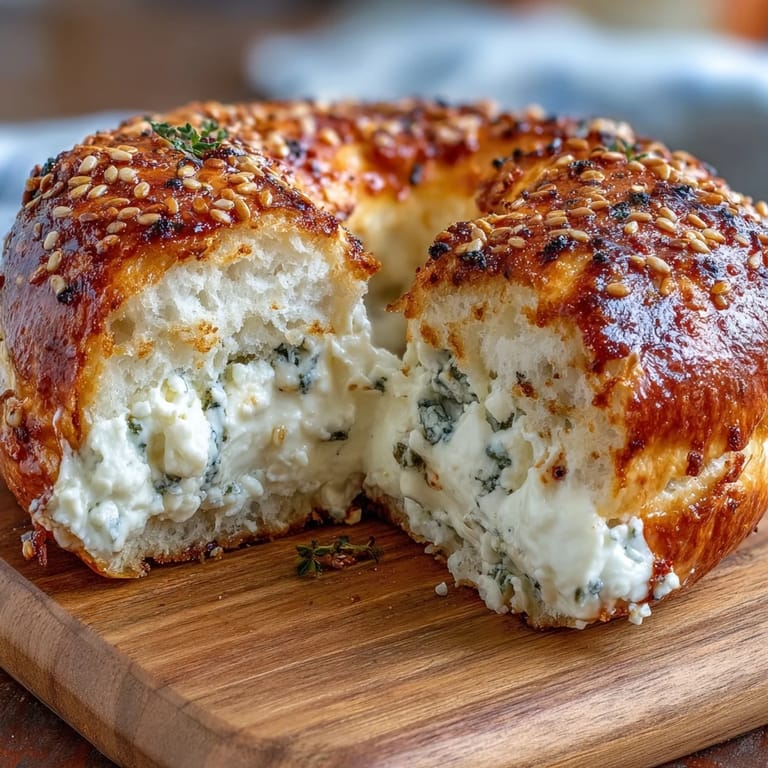
- Toppings (sesame seeds, everything bagel seasoning, or poppy seeds): These aren't truly optional in my opinion—they add texture and flavor, though plain bagels are equally delicious with just butter and salt.
Tired of Takeout? 🥡
Get 10 meals you can make faster than delivery arrives. Seriously.
One email. No spam. Unsubscribe anytime.
Instructions
- Set your oven stage:
- Preheat to 375°F and line your baking sheet with parchment paper so you're not standing around waiting for the oven while your dough sits there getting sticky and temperamental.
- Combine and mix:
- Pour cottage cheese and self-rising flour into a bowl and stir until a shaggy dough comes together; this takes maybe two minutes and should look rough and slightly lumpy, which is exactly where you want it.
- Knead gently:
- Turn the dough onto a floured surface and knead for just a minute or two until it feels smooth and cohesive, but don't overthink this step because overworking creates tough bagels instead of tender ones.
- Shape your bagels:
- Divide the dough into four equal pieces, roll each into a rope about the thickness of your thumb, and then form into a circle and pinch the ends together so the hole stays put during baking.
- Dress them up:
- Brush each bagel with beaten egg wash and sprinkle your chosen toppings on top while the egg is still wet so they actually stick rather than just sliding off.
- Bake until golden:
- Slide them into the oven for 18 to 22 minutes, watching around the 15-minute mark because your oven might run hot or cold and you want that golden-brown exterior without any pale spots.
- Cool and serve:
- Let them rest for a few minutes before slicing so the insides aren't still steaming and somehow still doughy despite being done.
 Save to Pinterest
 There's something deeply satisfying about pulling these warm bagels from the oven and actually knowing exactly what's in them, especially when you're used to wondering about the long list of ingredients in store-bought versions. My daughter has started asking for these instead of her usual cereal, which feels like a small victory in the ongoing kitchen project of feeding people things that are both delicious and good for them.
The Cottage Cheese Magic
Most people think cottage cheese belongs exclusively in lasagna or sad desk lunches, but this ingredient deserves serious credit for being the backbone of a completely legitimate breakfast bread. The curds break down during mixing and essentially disappear into the flour, creating moisture and protein without any weird texture or flavor. It's one of those kitchen discoveries that makes you feel slightly clever for trying something outside the obvious path.
No Yeast Required
The self-rising flour handles all the rising and lifting work that yeast usually does, which means no waiting around for dough to bulk ferment or checking if your kitchen is warm enough or any of those timing variables that make baking feel complicated. This approach feels more like cooking than baking—more forgiving, more immediate, less dependent on conditions you can't really control. It's honestly perfect for people who want homemade bagels but don't want to mentally commit to the traditional timeline.
Serving and Customization Ideas
These bagels are genuinely versatile, standing up beautifully to everything from cream cheese and lox to peanut butter and honey to just butter and a sprinkle of finishing salt. Toasting them brings out a deeper texture and slightly nutty flavor that feels especially nice in colder months, though fresh ones are equally wonderful warm with whatever spread you're reaching for. You can also fold fresh herbs or shredded cheese into the dough if you're feeling adventurous, and honestly, everything bagel seasoning mixed right into the dough creates bagels that are excellent just on their own.
- Toast them the next day for a crispier exterior that contrasts beautifully with the still-soft center.
- Make a batch and freeze extras for up to two weeks; just thaw and toast when you want them.
- Experiment with different toppings or mix-ins because the base recipe is forgiving enough to handle your creative variations.
 Save to Pinterest
 These bagels have quietly become a weekday breakfast staple in my kitchen, the kind of recipe that works when you're rushed and also works when you want to impress someone with your cooking skills. They're proof that sometimes the simplest ingredient combinations create the most satisfying results.
Recipe Questions
- → What makes these bagels high in protein?
The main ingredient, cottage cheese, is rich in protein, boosting the overall protein content of the bagels.
- → Can I use regular flour instead of self-rising flour?
Yes, mix all-purpose flour with baking powder and salt to mimic self-rising flour before combining with the cottage cheese.
- → How do I shape the bagels properly?
Divide the dough into equal portions, roll each into a rope, then form a ring and pinch the ends to seal the shape.
- → Are any toppings recommended for extra flavor?
Popular choices include everything bagel seasoning, sesame seeds, or poppy seeds, which enhance both taste and texture.
- → Can these bagels be made dairy-free?
Substitute cottage cheese with a plant-based high-protein yogurt, though texture and flavor may vary slightly.