 Save to Pinterest
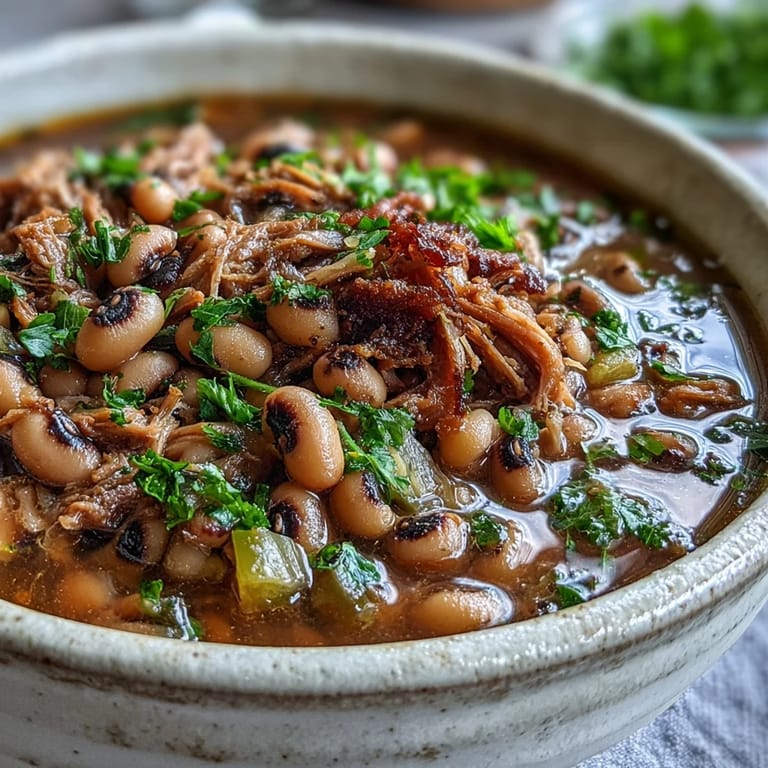
 My grandmother used to say that black-eyed peas on New Year's Day weren't just about tradition—they were insurance. She'd stir this pot with such intention, as if willing the coming year toward good fortune with every turn of her wooden spoon. Years later, I found myself doing the same thing, standing in my kitchen on January first, watching the peas soften and the broth deepen into this rich, smoky amber. There's something about a dish this old and this loved that feels almost ceremonial.
I served this to my partner's family last January, terrified they'd find it too heavy or too Southern, too unfamiliar. But watching his mother take a second bowl, then asking for the recipe—that's when I understood why this dish has survived centuries. It wasn't just about luck; it was about showing up for people with something warm and genuine.
Ingredients
- Black-eyed peas (1 pound, dried): Rinse and sort them first because you'll occasionally find a tiny stone hiding in there, and biting into it is a very specific kind of kitchen disappointment.
- Smoked pork neck bones or ham hocks (1½ pounds): This is where the soul comes from—don't skip it or substitute with regular pork, because the smoke and the gelatin from the bones are non-negotiable.
- Onion, celery, and green bell pepper (the holy trinity): When you chop these, the smell that rises is basically Southern cooking in aromatic form.
- Garlic (4 cloves, minced): One minute of sizzling in the pot transforms everything that comes after.
- Water or low-sodium chicken broth (7 cups): Broth deepens the flavor, but water works perfectly fine if that's what you have.
- Creole seasoning (1½ teaspoons): This blend of paprika, cayenne, garlic, and herbs does the heavy lifting for flavor—taste as you go because some brands run spicier than others.
- Bay leaf, thyme, smoked paprika, black pepper: Together these create complexity that makes people ask what your secret is.
- Salt (1 teaspoon, adjusted to taste): Add this at the very end because the broth reduces and concentrates.
- Fresh parsley and hot sauce (optional garnish): The parsley brings freshness to cut through the richness, and hot sauce lets people adjust the heat themselves.
Tired of Takeout? 🥡
Get 10 meals you can make faster than delivery arrives. Seriously.
One email. No spam. Unsubscribe anytime.
Instructions
- Soak Your Peas:
- The night before (or morning of), cover the rinsed peas with water and let them sit. If you forget, boiling water with an hour of sitting works in a pinch, though the overnight method feels less rushed.
- Build Your Flavor Base:
- Heat oil in your Dutch oven and sauté the onion, celery, and bell pepper until they soften and start to smell like someone's Southern grandmother just walked into your kitchen. Add the garlic and let it toast for just a minute until fragrant.
- Combine Everything:
- Add the drained peas, smoked pork, broth, and all your seasonings to the pot. The mixture should look a little lean at this point—don't worry, it'll get creamy as the peas break down slightly.
- Simmer Low and Slow:
- Bring it to a boil, then drop the heat way down, cover it, and let it bubble gently for about 1½ hours, stirring every twenty minutes or so. You're looking for peas that are tender but not falling apart, and meat that's giving up any resistance.
- Finish and Serve:
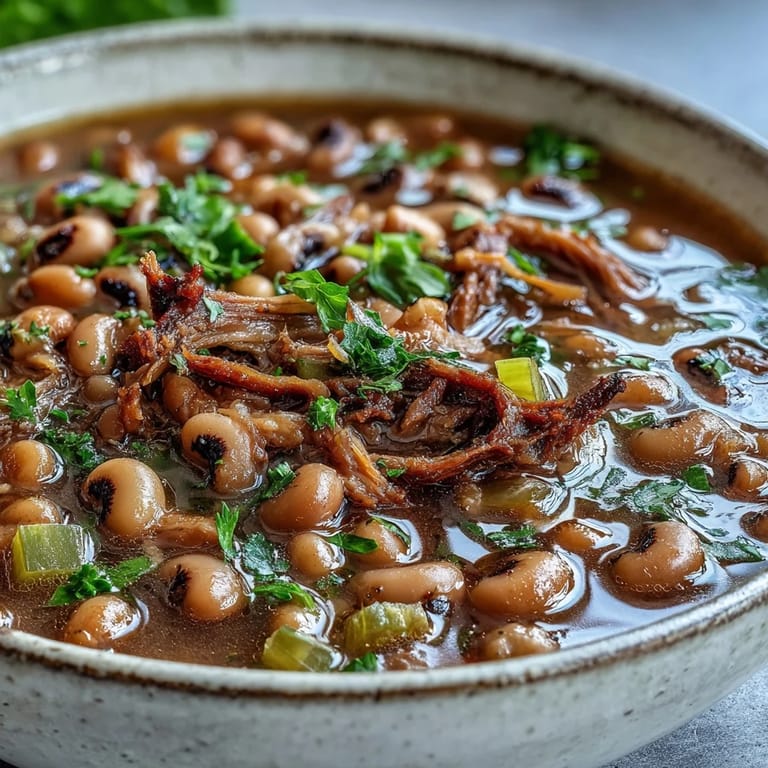
- Fish out the pork bones, shred any meat clinging to them, and return that shredded meat to the pot. Season with salt, remove the bay leaf, and taste one more time to make sure it feels right.
 Save to Pinterest
 There was a New Year's afternoon when my friend called in distress about her own family dinner, and I talked her through this recipe over the phone. Hearing the relief in her voice when everything worked out, then the photos she sent later of her whole family around the table—that's when this stopped being just a recipe and became something I understood I had to preserve.
The Magic of the Soak
People sometimes skip soaking because it feels old-fashioned, like something your grandmother insisted on just to be difficult. But that soak isn't tradition for tradition's sake—it's actually dissolving compounds that make beans hard to digest and reducing cooking time substantially. The overnight soak is genuinely easier than the quick version, even though it requires thinking ahead.
Why Smoked Pork Changes Everything
The first time I made this with regular ham instead of smoked neck bones, I could taste exactly what was missing. Smoke is a flavor that can't be faked or rushed, and the gelatin from the bones creates this silky quality in the broth that butter or cream can't replicate. It's the difference between a good side dish and something that feels earned.
Serving and Storing
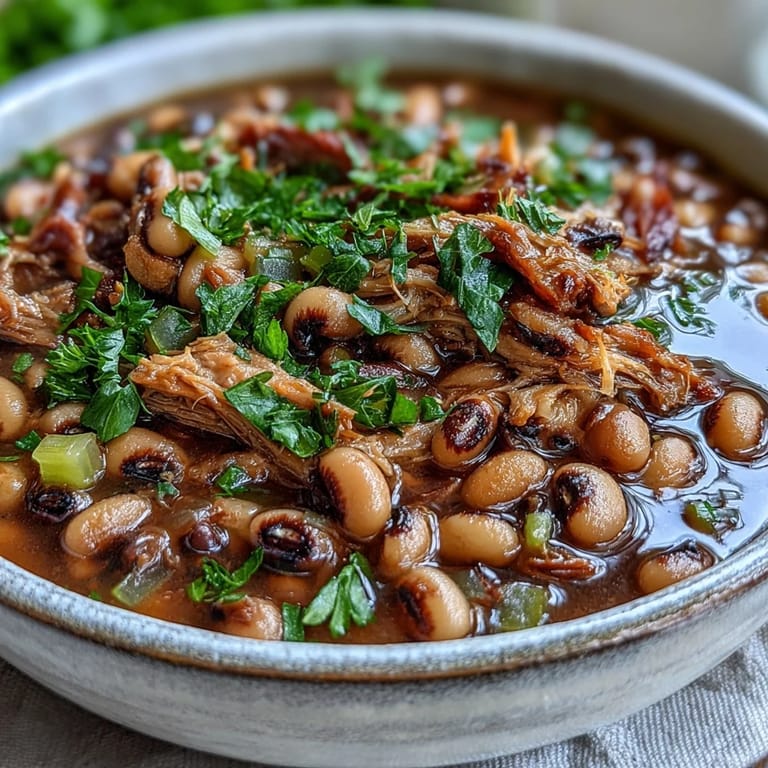
Serve this hot, over rice or with thick cornbread for soaking up the broth. It's equally good as a standalone bowl with just some parsley and hot sauce on top. The flavors actually improve the next day, making this a perfect do-ahead dish for entertaining or meal prep.
- Leftovers keep in the fridge for four days and freeze beautifully for up to three months—thaw overnight and reheat gently on the stovetop.
- If the pot sits in the fridge, the fat will solidify on top and you can skim it off before reheating if you want to lighten it.
- Serve with collard greens and cornbread to complete the traditional New Year's plate that's supposed to bring luck and prosperity.
 Save to Pinterest
 Every January first, this pot sits on my stove as a small gesture toward intention and good luck, whether I'm being superstitious or not. The tradition matters because the people we cook for matter.
Recipe Questions
- → Why are black-eyed peas eaten on New Years?
Black-eyed peas are traditionally eaten on New Years Day in the Southern United States to bring good luck and prosperity for the coming year. The peas symbolize coins, and when paired with greens (representing money) and cornbread (representing gold), they make a complete lucky meal.
- → Do I need to soak the peas overnight?
Overnight soaking is recommended for the best texture and even cooking, but you can use the quick soak method: cover the peas with boiling water and let them sit for 1 hour, then drain and proceed with the instructions.
- → Can I make this vegetarian?
Yes! Simply omit the smoked pork neck bones and add extra smoked paprika plus a splash of liquid smoke to maintain that savory, smoky flavor. You may also want to use vegetable broth instead of chicken broth.
- → What cuts of smoked meat work best?
Smoked pork neck bones are traditional and provide excellent flavor, but smoked ham hocks, smoked turkey wings, or even a smoked ham shank work beautifully. The key is using a bone-in cut that renders flavor during the long simmer.
- → How long do leftovers last?
Cooked black-eyed peas store well in the refrigerator for 4-5 days and freeze beautifully for up to 3 months. The flavors often deepen and improve after a day or two, making this an excellent make-ahead dish.
- → What should I serve with black-eyed peas?
Traditionally served over fluffy white rice to soak up the flavorful pot liquor. Complete the lucky New Years meal with collard greens (for wealth) and cornbread (for gold). Hot sauce and fresh parsley make perfect finishing touches.