 Save to Pinterest
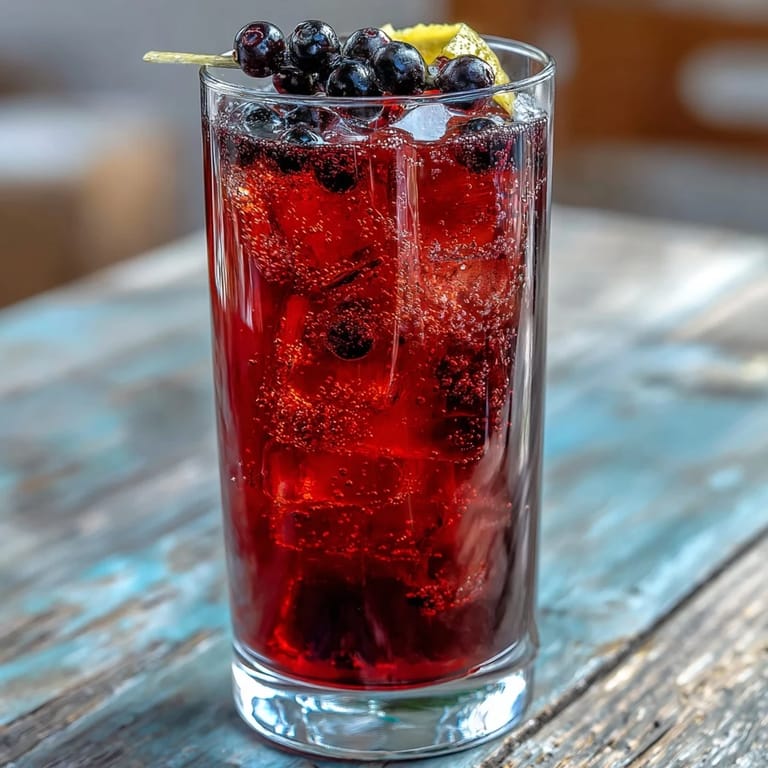
 One lazy Sunday afternoon, my neighbor knocked on the door with a handful of blackcurrants from her garden, their dark purple skins almost black in the sunlight. She mentioned offhandedly that her grandmother used to make a liqueur with them, something that turned the kitchen jewel-tone and smelled like the Caribbean. That conversation planted a seed, and weeks later, I found myself standing in front of a massive glass jar, about to transform simple fruit and rum into something that would sit on my shelf like liquid treasure. The waiting was the hardest part, but it taught me that the best things rarely rush.
I gifted a bottle to my sister last Christmas, and she used it to spike her hot chocolate on New Year's Eve while we watched the snow fall outside her cabin. She poured a generous measure over vanilla ice cream too, and we both went quiet for a moment—not out of politeness, but because the flavor was so complex and unexpected that it demanded attention. That's when I realized this liqueur wasn't just a beverage; it was a conversation starter, a memory maker, a small luxury that lingered long after the glass was empty.
Ingredients
- Fresh blackcurrants (500 g): These berries are the soul of this liqueur—tart, floral, and packed with natural depth that rum amplifies beautifully. Wash them well and remove the stems; don't worry about being perfect here.
- Jamaican dark rum (750 ml): The backbone of your creation, Jamaican rum brings its own caramel notes and vanilla undertones that meld with the fruit in ways you'll discover over those two weeks of waiting.
- Granulated sugar (250 g): This isn't just sweetness; it acts as a preservative and draws out the fruit's juices through osmosis, creating the liqueur's silky texture.
- Vanilla bean (1, split, optional): If you use it, split it lengthwise so the seeds and pod both contribute their flavor—this is where the recipe gets its sophisticated finish.
- Cinnamon stick (1 small): A whisper of warmth that prevents the drink from tasting flat or one-dimensional; resist the urge to add more.
- Lemon zest (from 1/2 lemon): Use a microplane and avoid the white pith, which adds bitterness; this bright note keeps everything from feeling heavy.
Tired of Takeout? 🥡
Get 10 meals you can make faster than delivery arrives. Seriously.
One email. No spam. Unsubscribe anytime.
Instructions
- Gather and prepare:
- Find a large glass jar—at least 1.5 liters—that you don't mind looking at for two weeks, because you'll be checking on it constantly. Wash everything thoroughly and make sure your jar has a tight-fitting lid that won't let air creep in.
- Layer your base:
- Pour the blackcurrants into the jar first, then add the sugar, vanilla bean if you're using it, cinnamon stick, and lemon zest directly on top. The order doesn't matter much, but starting with fruit gives you a nice visual foundation.
- Pour the rum:
- Slowly add the Jamaican rum, watching as it stains everything a gorgeous deep red. Make sure every blackcurrant is submerged; any fruit floating above the liquid can develop mold, which would be a shame after you've come this far.
- Seal and shake:
- Close the lid tightly and give the jar a gentle shake for about 30 seconds to begin dissolving the sugar and encouraging everything to get acquainted. Don't be aggressive; this is a delicate infusion, not a cocktail you're mixing.
- The patient waiting period:
- Store your jar somewhere cool and dark—a cupboard, a basement shelf, anywhere light doesn't reach—and for the next 14 days, give it a gentle shake every 2 to 3 days. You'll watch the color deepen, the flavors marry, and the sugar dissolve into almost nothing.
- Strain carefully:
- After 14 days, set a fine mesh strainer over a clean bowl and line it with cheesecloth for extra insurance against particles. Pour the liqueur slowly through, letting gravity do the work; this is not the moment to rush or squeeze the fruit.
- Let it settle:
- Pour your strained liqueur into clean bottles and seal them, then let everything rest in a cool, dark place for at least 2 more days before you even think about tasting it. This final rest is when all the flavors truly harmonize into something greater than their parts.
- Serve and enjoy:
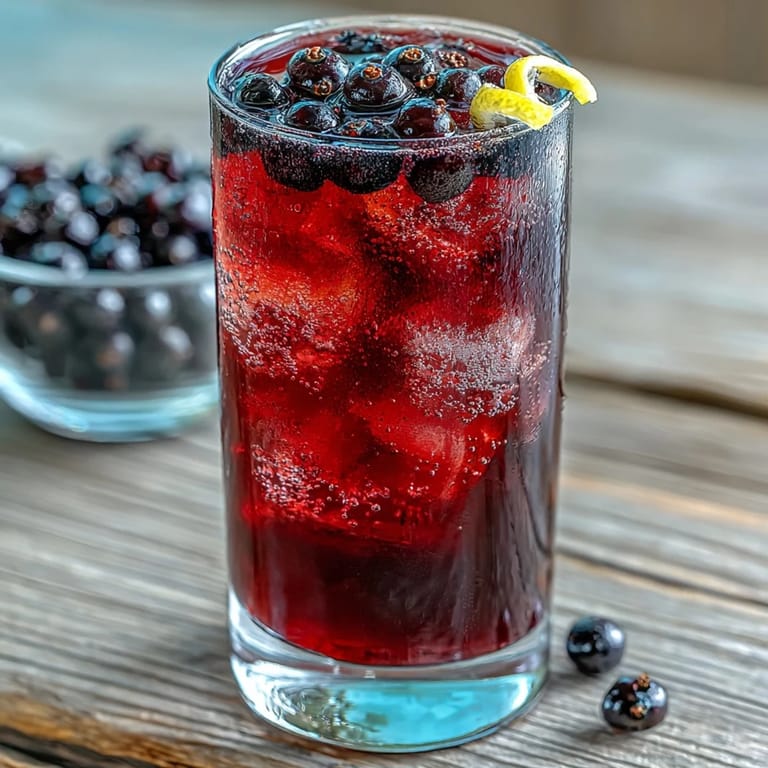
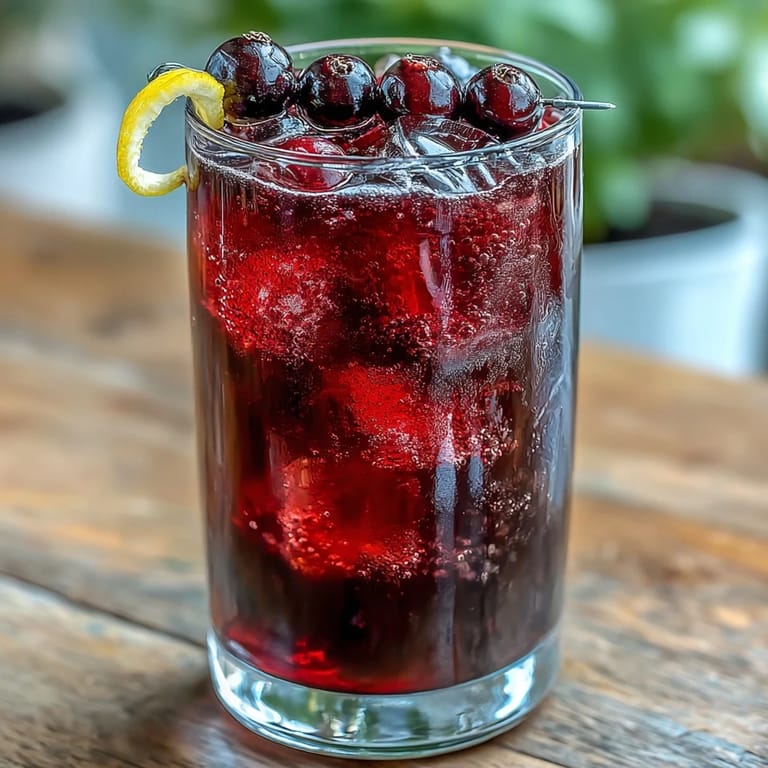
- Drink it neat in a small glass, over ice, mixed into cocktails, or poured over ice cream for a moment of pure indulgence. The beauty of homemade liqueur is that it's yours to experiment with.
 Save to Pinterest
 There's a particular magic that happens around day 10 of the infusion when you shake the jar and the aroma hits you—suddenly the kitchen smells like a perfumery mixed with a Caribbean beach, and you realize you're about to hold something special in your hands. That moment of recognition, when you understand this simple act of patience has created something transformative, makes every shake of the jar feel worthwhile.
Why This Liqueur Beats Store-Bought Versions
Commercial liqueurs often rely on artificial flavors and excessive sweetness to mask lower-quality spirits, but when you make your own, every ingredient speaks for itself. The blackcurrants taste like actual fruit, the rum isn't hidden behind cloying sweetness, and the vanilla and cinnamon add sophistication without overwhelming anything. You'll taste the difference immediately, and more importantly, you'll know exactly what's in every drop.
Customizing Your Infusion
After the initial 14 days, you have options and freedom that a recipe from a bottle never offers. Some people extend the infusion to 21 or even 30 days if they want deeper, more complex flavors that lean into dark fruit and spice territory. Others adjust the sugar upward if they prefer something closer to a dessert liqueur, or skip the vanilla and cinnamon entirely if they want the blackcurrants to dominate—the only rule is that your version should taste like something you actually want to drink.
Storage and Gifting Ideas
In a cool, dark cupboard, this liqueur will keep for a full year without any degradation in quality—the alcohol content and sugar work together as natural preservatives. I've started making double batches in late summer so I have bottles ready for December gifting, and something about giving homemade liqueur feels more meaningful than anything wrapped in tissue paper from a store.
- Pour into beautiful bottles and add a handwritten label with the date and a note about what's inside.
- Pair each bottle with a small card suggesting cocktail recipes or dessert pairings to inspire the recipient.
- Keep one bottle for yourself and enjoy a small glass while remembering the patience and care that went into every single drop.
 Save to Pinterest
 This liqueur is proof that some of the best kitchen creations ask nothing of you except presence and patience—just a gentle shake every few days and faith that time will do the heavy lifting. Once you've made it once, you'll find yourself planning the next batch before the first one is even finished.
Recipe Questions
- → How long does the infusion process take?
The infusion requires 14 days for optimal flavor extraction, followed by an additional 2 days of resting after straining to allow flavors to harmonize fully.
- → Can I adjust the sweetness level?
Absolutely. Taste the liqueur after the initial infusion period and add more dissolved sugar if you prefer a sweeter finish. The vanilla bean also contributes natural sweetness.
- → What's the best way to serve this liqueur?
Serve neat over ice to appreciate the full berry complexity, or use as a base for fruit-forward cocktails. It also pairs beautifully poured over vanilla ice cream or used in dessert sauces.
- → How should I store the finished liqueur?
Store in a cool, dark place away from direct sunlight. Properly stored, this liqueur maintains quality for up to one year. Ensure bottles are sealed tightly to prevent evaporation.
- → Can I extend the infusion time for stronger flavor?
Yes, extending the infusion up to one month will yield deeper, more concentrated flavors. The rum will continue extracting compounds from the berries, resulting in a more intense profile.
- → Is this suitable for gluten-free diets?
Most pure rums are naturally gluten-free, but always verify with the specific brand used. This preparation contains no gluten-containing ingredients, making it suitable for gluten-sensitive individuals.