 Save to Pinterest
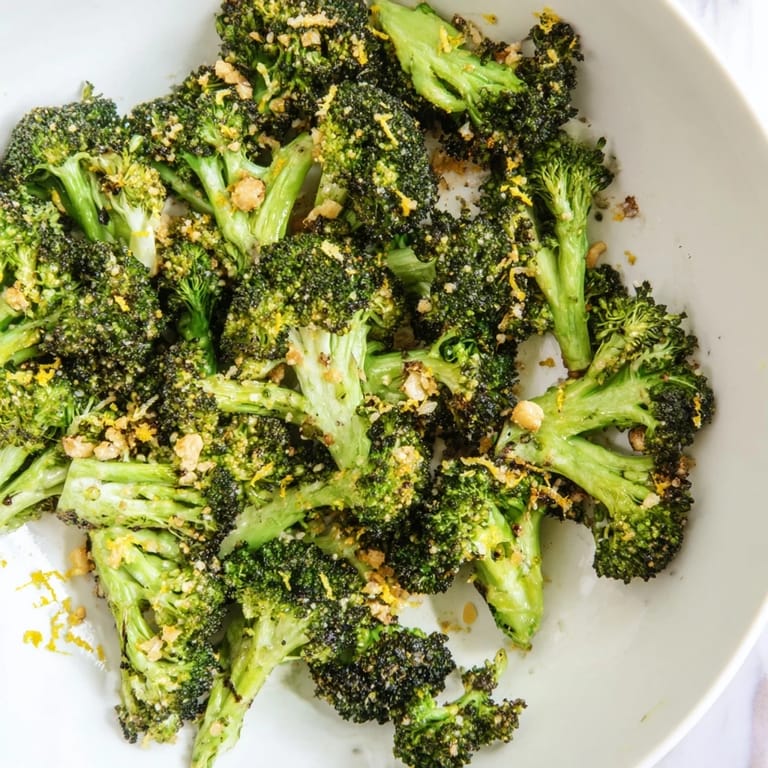
 There's something about a sheet pan of roasted broccoli that makes me feel like I'm actually cooking something worthwhile, even on the nights when I can barely manage dinner. I discovered this version one winter afternoon when I had nothing in the fridge but broccoli, garlic, and a sad-looking lemon, and honestly, it changed how I think about vegetables entirely. The kitchen filled with this toasty, garlicky smell that had my roommate wandering in asking what smelled so good—and I got to say, just broccoli, which felt like a small victory. There's no fancy technique here, just heat and time and the way lemon juice hits hot roasted edges. It became my go-to side dish not because it's virtuous, but because it's genuinely delicious.
I made this for my parents once on a Sunday, and my dad—who claims he doesn't eat vegetables—asked for seconds. He kept saying it didn't taste like broccoli in the way he meant it dismissively, but like he'd discovered something new. My mom ate it straight off the baking sheet before it even made it to the table, picking up the darkest, crispiest pieces. That moment stuck with me because it wasn't about impressing anyone; it was just about how a little heat and lemon could make something simple taste unexpectedly special.
Ingredients
- Fresh broccoli florets (1 lb): Cut them into roughly similar sizes so they roast evenly; smaller pieces will get crispier edges, which is honestly the best part.
- Garlic (3 cloves, minced): Don't use pre-minced from a jar—the fresh stuff makes a real difference in flavor and it takes you two minutes with a knife.
- Olive oil (3 tbsp): Use something you'd actually taste; cheap oil is fine, but avoid the super peppery kind unless that's your thing.
- Kosher salt (1/2 tsp): Kosher salt is bigger and easier to control than table salt, and it dissolves into the oil nicely.
- Black pepper (1/4 tsp): Freshly ground matters more here than you'd think; pre-ground tastes dusty by comparison.
- Lemon (1, zested and juiced): Add the juice right after roasting while everything is hot so it soaks in; the zest adds brightness without extra liquid.
- Parmesan cheese (2 tbsp, optional): Use the good stuff—aged if you can—and grate it yourself just before serving so it doesn't get lost.
Tired of Takeout? 🥡
Get 10 meals you can make faster than delivery arrives. Seriously.
One email. No spam. Unsubscribe anytime.
Instructions
- Get your oven ready and line your pan:
- Set the oven to 425°F and line a baking sheet with parchment paper so nothing sticks and cleanup is almost nonexistent. This temperature is hot enough to create those crispy edges without burning the garlic.
- Toss everything together:
- Put the broccoli in a big bowl with the olive oil, minced garlic, salt, and pepper, and use your hands to coat everything evenly—your hands are the best tool here. The oil should cling to each floret; if it looks dry, add another tablespoon.
- Spread and roast:
- Arrange the broccoli in a single layer on the sheet pan, leaving space between pieces so they roast instead of steam. If they're crowded, they'll release moisture and stay pale instead of browning.
- Flip and keep an eye on it:
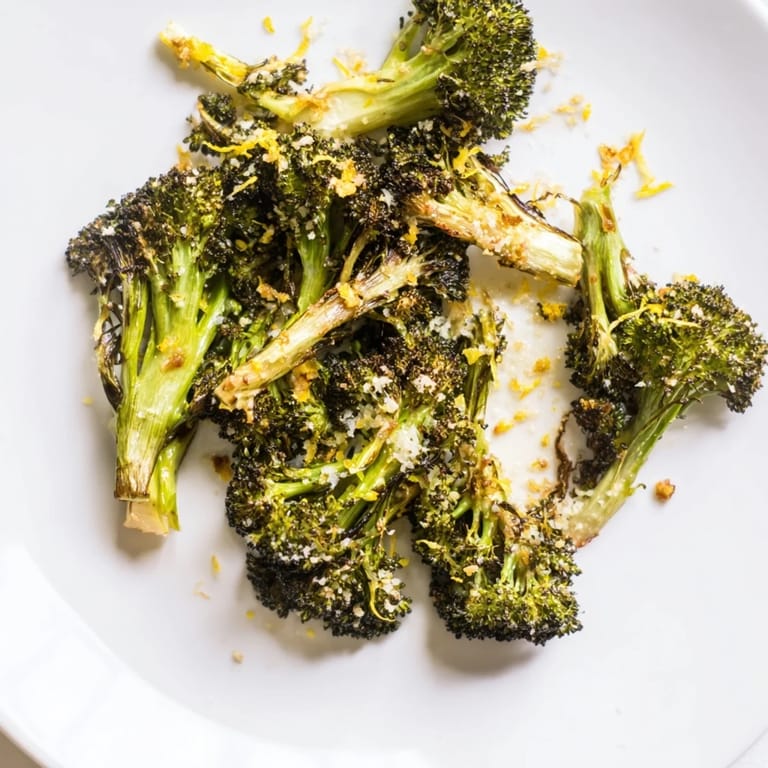
- After about 10 minutes, flip the pieces so the other sides get crispy too; by 18-20 minutes total, the edges should be golden brown and the stem ends should be tender when you poke them. If your oven runs cool, give it another couple minutes.
- Finish with brightness:
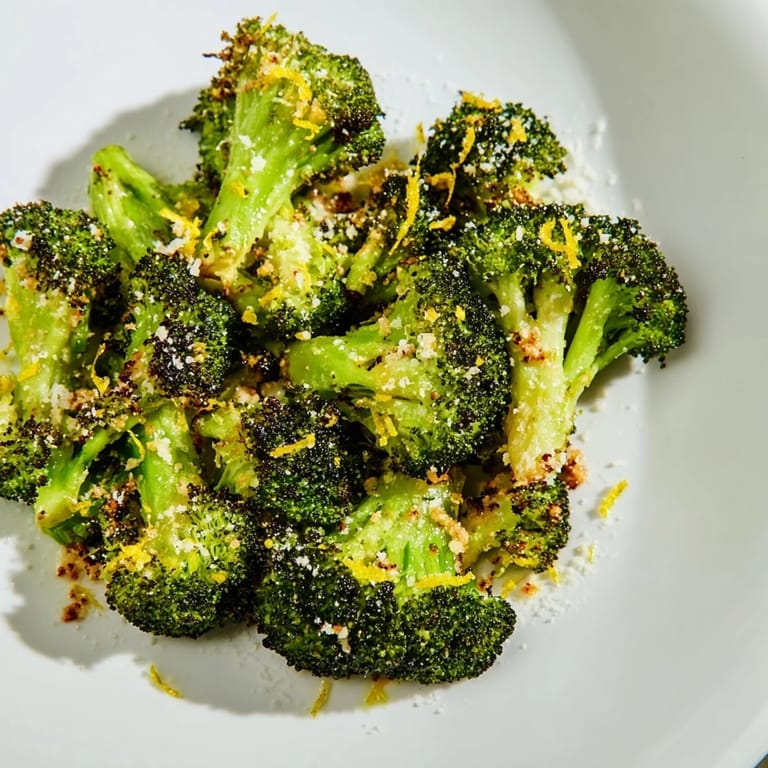
- The moment it comes out of the oven, drizzle with lemon juice and sprinkle with zest, then toss gently so every piece gets some. This is when it all comes together—the hot broccoli soaks up the lemon and tastes alive.
- Add cheese if you want:
- If you're using Parmesan, sprinkle it on last so it doesn't melt into a clump; the warmth is enough to soften it.
 Save to Pinterest
 There was this one dinner party where I made this as a side and watched a friend who'd sworn off roasted vegetables because they were boring actually enjoy it. She asked for the recipe, and I felt a little proud handing it over—not because it was complicated, but because it was proof that simple done well is better than complicated done okay. That's when I realized this dish isn't about impressing people; it's about being the kind of side that people actually want to eat.
The Magic of High Heat
Roasting at 425°F is what creates those crispy, almost caramelized edges while keeping the stems tender. Lower temperatures will cook the broccoli without that magic contrast, so don't be tempted to dial it back. The parchment paper isn't just for ease; it helps distribute heat evenly under the pan, which means nothing scorches on the bottom.
Why Lemon Works Better Than You'd Expect
Lemon juice and zest transform roasted broccoli from plain to something people actually look forward to eating. The zest adds flavor without adding liquid, while the juice soaks into the hot vegetables and brings everything to life. Add it too early and it cooks off; add it too late and it doesn't integrate, so that timing right after roasting really does matter.
Make It Your Own
This recipe is a foundation, not a law. Some nights I add a pinch of red pepper flakes if I want heat, other times I toss in toasted pine nuts or almonds for crunch. You could swap the broccoli for cauliflower, broccolini, or even romanesco if you're feeling adventurous, and the cooking time stays about the same.
- A handful of toasted nuts or seeds adds texture and makes it feel more substantial as a side.
- Red pepper flakes or a tiny dash of cayenne brings warmth without overpowering the lemon.
- Fresh herbs like thyme or oregano scattered on at the end add another layer of flavor if you have them.
 Save to Pinterest
 This is the kind of recipe that quietly becomes a weeknight staple because it actually works and tastes good. It's proof that you don't need complicated techniques or rare ingredients to make something people genuinely want to eat.
Recipe Questions
- → How do I ensure broccoli roasts evenly?
Spread florets in a single layer on the baking sheet to avoid overcrowding, ensuring hot air circulates for even roasting.
- → Can I use other vegetables instead of broccoli?
Yes, tender vegetables like broccolini or cauliflower work well when roasted using the same method.
- → What does lemon add to the dish?
Lemon juice and zest brighten the flavors, adding a fresh, zesty contrast to the roasted garlic and broccoli.
- → Is it necessary to peel the garlic cloves?
Yes, peeling and mincing garlic ensures even coating and roasting, infusing flavor throughout the broccoli.
- → How can I add extra texture or heat?
Sprinkle toasted pine nuts for crunch or a pinch of red pepper flakes before roasting for a spicy kick.