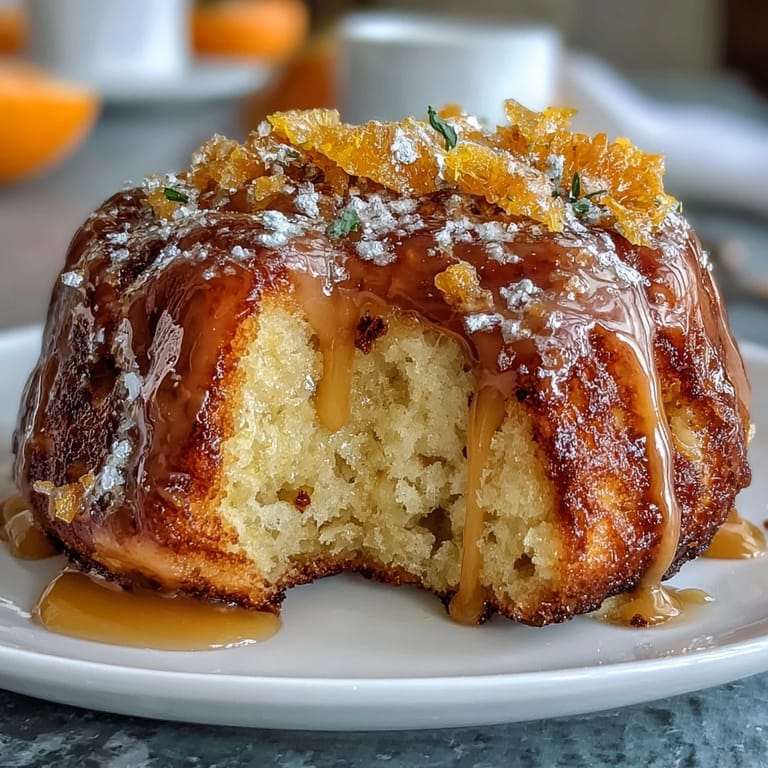
 Save to Pinterest
 My kitchen smelled like a citrus grove last winter when my neighbor dropped off a bag of blood oranges and challenged me to do something interesting with them. I'd never attempted overnight rolls before, but something about the combination of that bright zest and the promise of a lazy morning won me over. The first batch taught me that orange and butter have this almost romantic chemistry, especially when you let time do the work for you. Now these rolls have become my go-to excuse to sleep in on weekends while breakfast practically makes itself.
I'll never forget bringing these to a Sunday brunch potluck where someone's aunt had also brought cinnamon rolls, and somehow mine completely disappeared first. That moment of petty triumph aside, what really stuck with me was watching people close their eyes after that first bite, like they were tasting something they didn't know they were missing. The orange flavor is bright but never overpowering, almost like a secret whispered instead of shouted.
Ingredients
- All-purpose flour (3 1/2 cups): This is your canvas, and it needs to be weighed if you can manage it, because scooping always packs in too much and makes tough rolls.
- Instant dry yeast (2 1/4 tsp): Make sure it hasn't been sitting in your cabinet since last year or your dough will sulk and refuse to rise properly.
- Fresh orange zest (zest of 2 large oranges for dough, 1 for filling): This is absolutely non-negotiable—bottled zest tastes like desperation and broken dreams compared to what you can get from a microplane in thirty seconds.
- Whole milk, lukewarm (3/4 cup): Lukewarm means baby-bottle temperature, not hot enough to kill the yeast or cold enough to sulk in the bowl.
- Unsalted butter (1/4 cup melted for dough, 1/4 cup softened for filling): Keep them separate and use quality butter because there's nowhere to hide here.
- Eggs, room temperature (2 large): Cold eggs make the dough temperamental, so pull them out while you're gathering everything else.
- Granulated sugar (1/4 cup for dough, 1/2 cup for filling): The filling sugar dissolves into pockets of deliciousness when the rolls bake, so don't be stingy.
- Powdered sugar (1 cup for glaze): Sift this if you have a sifter, because lumps in glaze feel like broken promises.
- Fresh orange juice (2-3 tbsp for glaze): Use fresh-squeezed if you're feeling virtuous, but store-bought works when you're tired.
Tired of Takeout? 🥡
Get 10 meals you can make faster than delivery arrives. Seriously.
One email. No spam. Unsubscribe anytime.
Instructions
- Mix your dry ingredients:
- In a large bowl, whisk together flour, sugar, yeast, and salt until they're evenly distributed. This prevents clumps of yeast from surprising you mid-bite later.
- Combine the wet ingredients:
- Warm milk, melted butter, room-temperature eggs, and that precious orange zest go into a separate bowl and get whisked until they're happy together. The orange zest will perfume your hands, and you'll understand why this recipe is about to change your life.
- Bring them together:
- Pour the wet mixture into the dry ingredients and stir until a shaggy, sticky dough forms. Don't panic about it looking messy right now.
- Knead until it transforms:
- Work the dough by hand or with a stand mixer fitted with the dough hook for about 7-8 minutes, until it becomes smooth, elastic, and stops sticking to your hands like it's plotting something. You'll feel when it reaches that point—the dough becomes almost silky.
- First rise:
- Transfer to a greased bowl, cover with plastic wrap, and let it rise in a warm spot for 1-2 hours until it's doubled in size. A warm kitchen corner, an oven with the light on, or even a closed car in the sun all work beautifully.
- Shape your rolls:
- Punch down the risen dough and roll it out on a lightly floured surface into a 10x16 inch rectangle, using a rolling pin and a little flour to prevent sticking. The dough will try to spring back like it's got opinions, so be patient and gentle.
- Apply the filling:
- Spread softened butter over every inch of that rectangle, then scatter the sugar and orange zest generously over top. This is where the magic happens, so don't skimp.
- Roll and cut:
- Starting from the longer edge, roll the dough tightly into a log, using a bench scraper if you have one to help keep it even. Cut into 12 rolls using a sharp knife, dental floss, or even unflavored thread—whatever keeps the filling from squishing out.
- Overnight rest:
- Arrange the rolls cut-side up in a greased 9x13 inch baking dish, cover tightly with plastic wrap, and refrigerate overnight or up to 16 hours. This is where all the flavor develops and the yeast does its slow, patient work while you sleep.
- Morning reveal:
- Remove the rolls from the fridge and let them sit at room temperature for 45-60 minutes until they're visibly puffy and touching each other slightly. This is your signal that they're ready to bake.
- Bake:
- Preheat your oven to 350°F and bake for 22-25 minutes until the tops are golden brown and the edges are set but still tender. The kitchen will smell like a five-star hotel at this point.
- Make the glaze:
- While the rolls are baking, whisk together powdered sugar, fresh orange juice, and a teaspoon of orange zest until you reach a pourable consistency. It should drizzle like silk, not run like water.
- Finish and serve:
- Drizzle the glaze generously over warm rolls as soon as they come out of the oven, letting it pool and seep into every crevice. Serve within an hour for maximum softness, though honestly they're still delicious later.
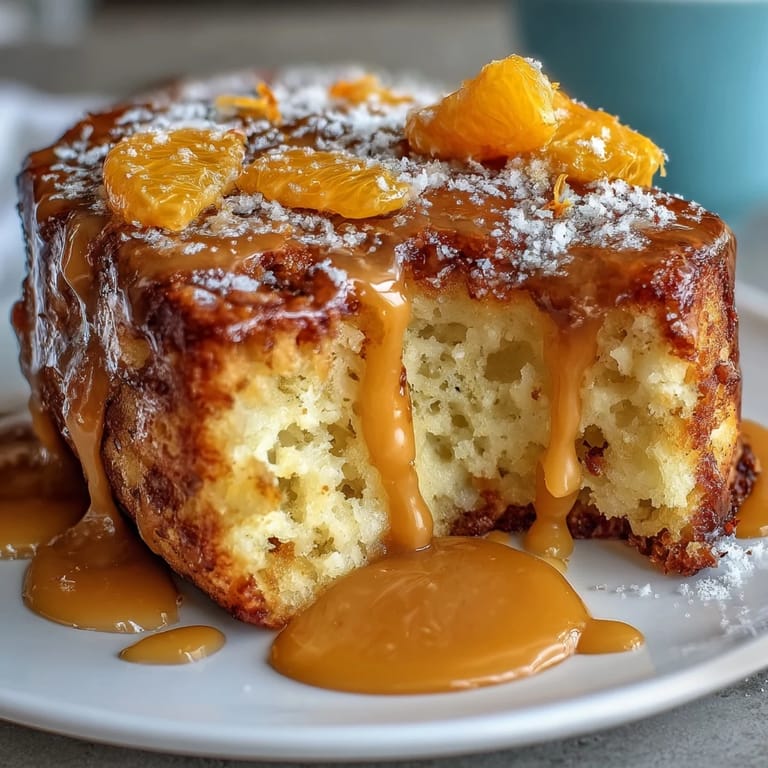 Save to Pinterest
 There's something almost meditative about preparing these rolls the night before, knowing that while you're sleeping, time and yeast are creating something special. It's the kind of recipe that makes you feel like you have your life together, even if you're still in pajamas at breakfast.
Why Fresh Orange Zest Changes Everything
The difference between using fresh orange zest and trying to substitute it with extract or dried zest is the difference between remembering why you loved cooking and just going through the motions. Fresh zest releases essential oils that perfume the entire dough, not just the surface. I learned this the hard way when I got lazy once and used store-bought zest, and the rolls tasted like they were apologizing for something.
The Overnight Rise Secret
Cold fermentation, which is what happens when your rolls rise slowly in the refrigerator, develops flavor in ways that a quick room-temperature rise simply cannot match. The yeast moves slowly, the gluten relaxes gradually, and the butter and orange have time to actually get to know each other. I've noticed that rolls made this way taste less one-dimensional, more nuanced, like they've had time to think about what they want to be.
Variations and Pairing Ideas
Once you master the base recipe, you can play around without it falling apart. Cardamom is a whisper-quiet addition that makes the orange feel more sophisticated, while a pinch of ground ginger adds complexity that sneaks up on you. These rolls pair beautifully with strong coffee or Earl Grey tea, but I've also served them alongside fresh ricotta and jam for a less sweet option. The glaze can be adjusted to your preference—more juice makes it thinner and more drinkable, less juice makes it thicker and more frosting-like.
- For extra richness, swap half the milk for fresh orange juice to amplify the citrus flavor without overwhelming the dough.
- Make a batch on a Friday night and wake up Saturday morning to fresh rolls that taste like you've spent hours in the kitchen.
- These freeze beautifully after baking, so wrap them individually and reheat gently whenever you need a moment of joy.
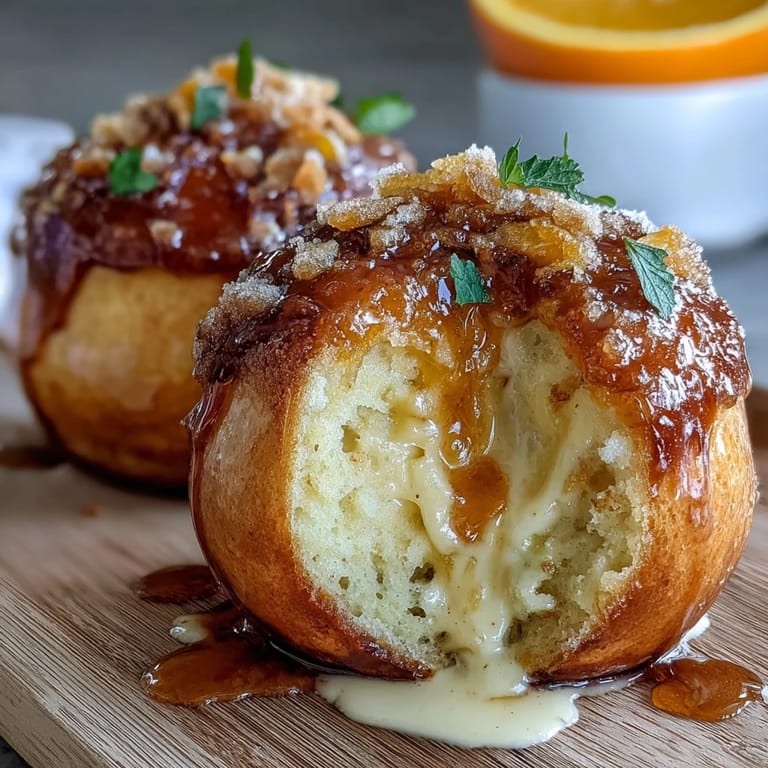 Save to Pinterest
 These rolls have quietly become the thing I'm known for bringing to gatherings, which still surprises me given how little active work they actually require. They're proof that sometimes the best kitchen magic happens when you're not paying attention.
Recipe Questions
- → What makes these rolls fluffy and tender?
The combination of yeast fermentation and the careful kneading process develops gluten, creating a soft, airy texture in the rolls.
- → Can I use fresh orange juice instead of milk?
You can replace half of the milk with fresh orange juice to enhance citrus flavor without compromising texture.
- → Why should the dough rest overnight?
The overnight rise in the refrigerator allows slow fermentation, which improves flavor and results in a tender crumb.
- → Is there a way to add a spiced note to the filling?
A pinch of ground cardamom in the filling adds a subtle warming spice that complements the orange zest beautifully.
- → How long should rolls rest before baking after refrigeration?
Let the chilled rolls sit at room temperature for 45–60 minutes to become puffy before baking.
- → What is the best way to cut the rolls evenly?
Use a sharp knife or dental floss to slice the rolled dough into even pieces without crushing them.