 Save to Pinterest
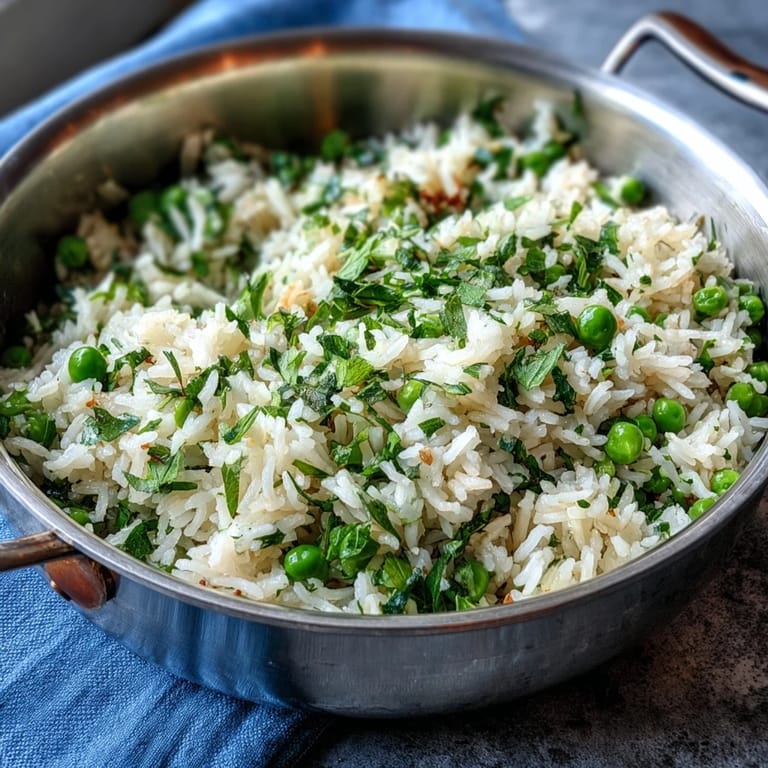
 When spring arrives and the first bright green peas appear at the market, there's no better way to celebrate the season than with this Spring Pea and Mint Rice Pilaf. This vibrant, fragrant side dish brings together the sweetness of fresh peas, the aromatic lift of mint, and the comforting texture of perfectly cooked rice. It's a light yet satisfying accompaniment that pairs beautifully with roasted meats, grilled fish, or as part of a vegetarian spread. The combination of butter-sautéed aromatics and fresh herbs transforms simple rice into something truly special—a dish that feels both elegant and effortlessly easy to prepare.
Save to Pinterest This pilaf is more than just a side dish—it's a testament to how a few quality ingredients can create something memorable. The technique of toasting the rice in butter with aromatics before adding liquid is what transforms ordinary rice into a pilaf with depth and character. As the rice simmers gently in vegetable broth, it absorbs all those savory flavors while maintaining its fluffy, separate grain structure. The peas add pops of sweetness and color, while the fresh mint and lemon zest provide a bright, refreshing finish that lifts the entire dish.
Ingredients
Tired of Takeout? 🥡
Get 10 meals you can make faster than delivery arrives. Seriously.
One email. No spam. Unsubscribe anytime.
- Rice & Broth: 1 cup long-grain white rice (such as basmati or jasmine), 2 cups low-sodium vegetable broth
- Vegetables & Aromatics: 1 cup fresh or frozen spring peas, 1 small yellow onion (finely chopped), 2 tablespoons unsalted butter, 2 cloves garlic (minced)
- Herbs & Seasonings: 1/2 cup fresh mint leaves (finely chopped), 2 tablespoons fresh flat-leaf parsley (chopped, optional), 1 teaspoon lemon zest, 1/2 teaspoon salt (or to taste), 1/4 teaspoon freshly ground black pepper
- Garnish: Lemon wedges (optional)
Instructions
- Step 1: Prepare the rice
- Rinse the rice under cold water until the water runs clear. Drain well.
- Step 2: Sauté the aromatics
- In a medium saucepan over medium heat, melt the butter. Add the chopped onion and cook for 2–3 minutes, until softened and translucent.
- Step 3: Add garlic
- Stir in the garlic and cook for 30 seconds until fragrant.
- Step 4: Toast the rice
- Add the rinsed rice and stir to coat the grains with butter and aromatics.
- Step 5: Add broth and seasonings
- Pour in the vegetable broth, add salt and pepper, and bring to a boil.
- Step 6: Simmer
- Reduce the heat to low, cover, and simmer for 15 minutes.
- Step 7: Add peas
- Stir in the peas (if using frozen, add straight from the freezer; if fresh, add them raw). Cover again and cook for an additional 5 minutes, or until the rice is tender and the liquid is absorbed.
- Step 8: Rest
- Remove from heat. Let stand, covered, for 5 minutes.
- Step 9: Finish with herbs
- Fluff the rice with a fork. Stir in the mint, parsley (if using), and lemon zest.
- Step 10: Serve
- Taste and adjust seasoning. Serve warm, garnished with lemon wedges if desired.
Zusatztipps für die Zubereitung
The key to perfect pilaf is rinsing the rice thoroughly to remove excess starch, which helps keep the grains fluffy and separate. When sautéing the onion and garlic, don't rush this step—allowing the aromatics to soften properly builds a flavorful base for the entire dish. Be sure to use a tight-fitting lid during the simmering process to trap steam and cook the rice evenly. Resist the urge to lift the lid and stir while the rice is cooking, as this releases steam and can result in unevenly cooked rice. The resting period after cooking is crucial—it allows the rice to finish steaming and makes fluffing much easier. When adding the fresh herbs at the end, do so off the heat to preserve their bright color and fresh flavor.
Varianten und Anpassungen
This recipe is wonderfully adaptable to different dietary needs and flavor preferences. For extra richness, substitute half the butter with olive oil for a more Mediterranean profile. To make it vegan, simply use plant-based butter or all olive oil. You can experiment with different herbs—try adding chopped scallions, chives, or fresh dill alongside or instead of the mint for varied herbal notes. For added protein, stir in toasted pine nuts, sliced almonds, or crumbled feta cheese just before serving. If you want to make it a complete meal, fold in cooked chickpeas or white beans. The pilaf can also be made ahead and gently reheated with a splash of broth to refresh the texture.
Serviervorschläge
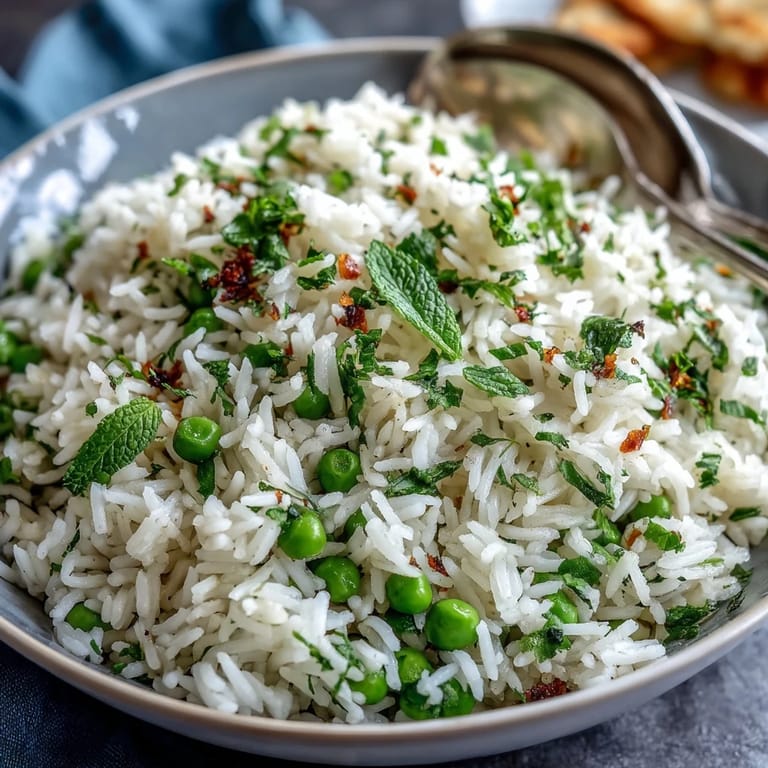
This Spring Pea and Mint Rice Pilaf shines as a versatile side dish that complements a wide range of main courses. It's particularly wonderful alongside roasted or glazed ham, making it an ideal choice for Easter or spring celebrations. The bright, fresh flavors also pair beautifully with grilled lamb chops, roasted chicken, or pan-seared salmon. For a vegetarian meal, serve it with roasted vegetables, grilled halloumi, or a fresh Greek salad. The pilaf is equally at home at casual weeknight dinners or elegant dinner parties. Serve it warm, garnished with extra mint leaves and lemon wedges on the side for guests to squeeze over their portions. Leftovers make an excellent base for grain bowls or can be transformed into fried rice the next day.
 Save to Pinterest
 This Spring Pea and Mint Rice Pilaf proves that simple ingredients, when treated with care, can create something truly delightful. The combination of sweet peas, fresh mint, and aromatic rice creates a dish that tastes like spring on a plate—light, bright, and full of life. Whether you're planning a special meal or simply want to elevate your weeknight dinner routine, this pilaf delivers beautiful flavor and presentation with minimal effort. It's the kind of recipe you'll return to again and again throughout the spring and summer months, and one that's sure to earn compliments every time you serve it.
Recipe Questions
- → Can frozen peas be used instead of fresh?
Yes, frozen peas can be added directly from the freezer during the last cooking stage without thawing, retaining their sweetness and texture.
- → What type of rice works best for this dish?
Long-grain white rice like basmati or jasmine provides a fluffy texture that absorbs flavors well, making it ideal for this pilaf.
- → Is it possible to make this dish vegan?
Absolutely, substitute the butter with a plant-based butter or olive oil to keep it dairy-free while maintaining richness.
- → How does the lemon zest affect the flavor?
Lemon zest adds a fresh, bright citrus note that enhances the aromatic herbs and balances the dish’s richness.
- → Can this dish be prepared ahead of time?
Yes, the pilaf can be made in advance and gently reheated with a splash of broth to restore moisture and flavor.