 Save to Pinterest
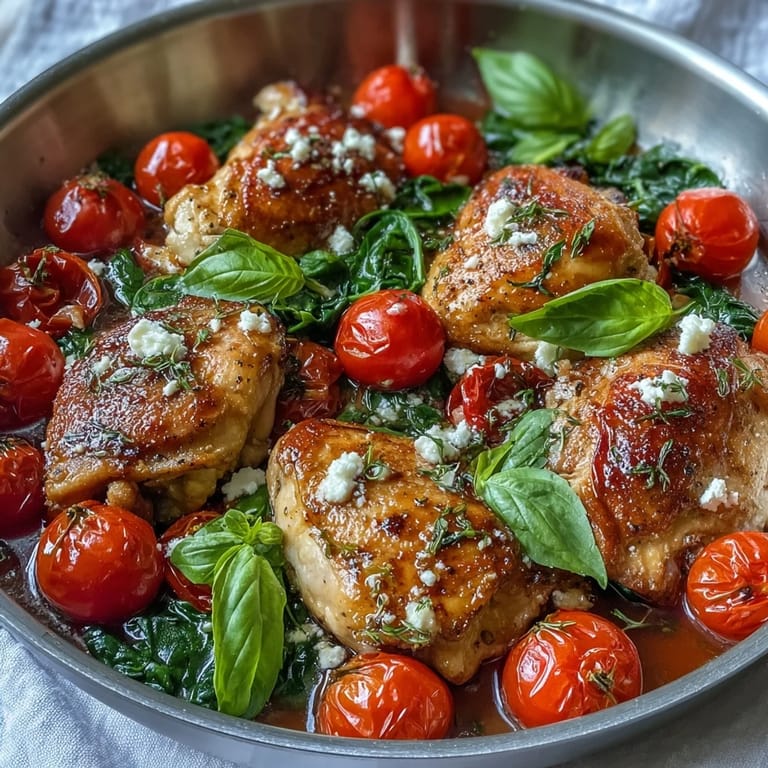
 There's something about the sound of chicken hitting a hot pan that signals dinner is happening—no fuss, no complicated techniques, just good food coming together. I discovered this one-pan balsamic chicken on a Tuesday when I had exactly 35 minutes and four hungry people expecting something special. The magic happened the moment I poured that glossy balsamic sauce over everything and watched the spinach wilt into submission, turning what could've been ordinary into something worth remembering.
I made this for my sister's dinner party, and she asked for the recipe before she'd even finished her first bite—that's when I knew I'd stumbled onto something worth keeping in rotation. The way the tomatoes burst slightly and release their juices into the balsamic creates this depth of flavor that somehow feels both bright and comforting at the same time.
Ingredients
- Boneless, skinless chicken breasts: Four pieces about 150 grams each give you protein that stays tender when you don't overthink it; patting them dry is the small step that makes a real difference in getting that golden sear.
- Cherry tomatoes: Two cups halved release natural sweetness as they soften, and their seeds add little bursts of moisture to the sauce.
- Fresh baby spinach: Four cups sounds like a lot until it hits the heat and becomes this silky green bed for everything else.
- Garlic and red onion: Three minced cloves and one thinly sliced medium onion build an aromatic foundation that makes the whole pan smell like something special is happening.
- Balsamic vinegar: One-third cup is the backbone of your glaze; the tanginess balances the honey's sweetness and creates complexity.
- Extra-virgin olive oil: Two tablespoons go into the glaze, plus you'll need a bit more for searing, and it's worth using something you actually like the taste of.
- Honey: One tablespoon rounds out the balsamic's acidity and helps create that caramelized coating.
- Dried Italian herbs: One teaspoon of the blend, or mix your own basil, oregano, and thyme for more control over the flavor profile.
- Salt and black pepper: Season generously at multiple stages, not just at the end, so flavors develop as you cook.
- Fresh basil and cheese: Optional but they transform the finished dish from good to unforgettable, whether you choose feta's tanginess or Parmesan's sharp bite.
Tired of Takeout? 🥡
Get 10 meals you can make faster than delivery arrives. Seriously.
One email. No spam. Unsubscribe anytime.
Instructions
- Prepare your sauce:
- Whisk balsamic vinegar, honey, olive oil, Italian herbs, salt, and pepper in a small bowl until the honey dissolves and everything looks glossy and unified. This is where the foundation of your flavor sits, so taste it and adjust if it feels too sharp or too sweet.
- Season and prepare the chicken:
- Pat your chicken breasts completely dry with paper towels—this step matters more than you'd think because moisture is the enemy of a proper sear. Season both sides generously with salt and pepper and let them sit for a moment.
- Sear the chicken:
- Heat a large skillet over medium-high heat and add a tablespoon of olive oil until it shimmers. Place chicken in the pan and resist the urge to move it around; let it sit for three to four minutes until the underside turns golden brown, then flip and do the same on the other side. Remove the chicken to a plate and don't worry that it's not cooked through yet.
- Build the flavor base:
- Reduce heat to medium, add your sliced red onion and minced garlic to the same pan, and let them sauté for about two minutes until your kitchen smells absolutely amazing. Watch for any browned bits sticking to the pan—those are flavor gold, so don't skip over them.
- Introduce the tomatoes:
- Add your halved cherry tomatoes and cook for three to four minutes, stirring occasionally, until they begin to soften and release their juices. You'll notice the pan starting to look more like actual food now and less like ingredients in a pan.
- Bring it all together:
- Return the chicken to the pan, pour that balsamic mixture over everything, cover with a lid, and let it cook for eight to ten minutes until the chicken reaches 165°F (74°C) internally. The sauce will bubble gently and coat everything in this glossy, dark deliciousness.
- Finish with spinach:
- Remove the lid, add your four cups of fresh baby spinach, and stir gently for about a minute or two until it wilts down and mingles with the sauce. The spinach will reduce dramatically and tint everything with a gorgeous green.
 Save to Pinterest
  Save to Pinterest
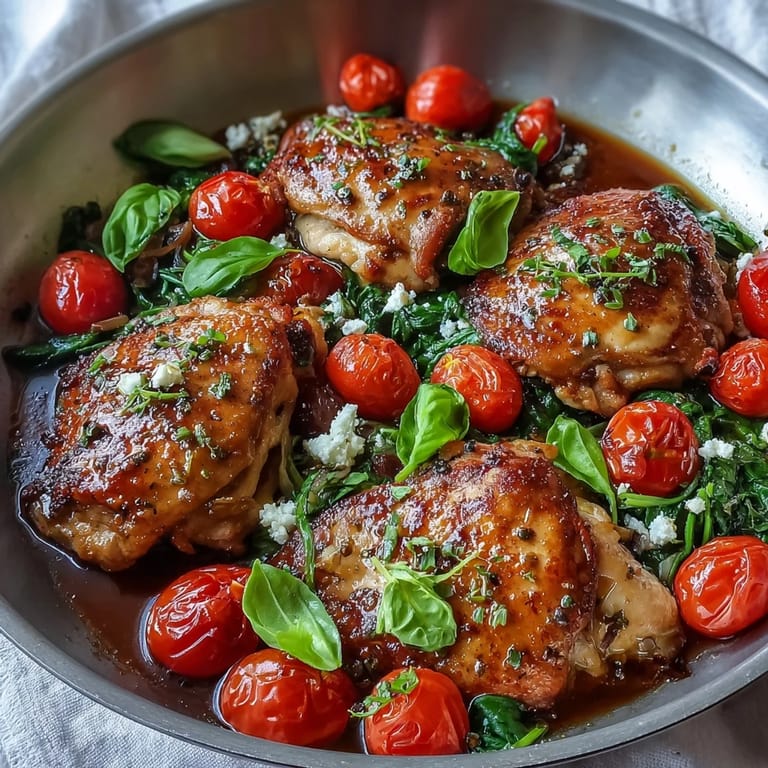
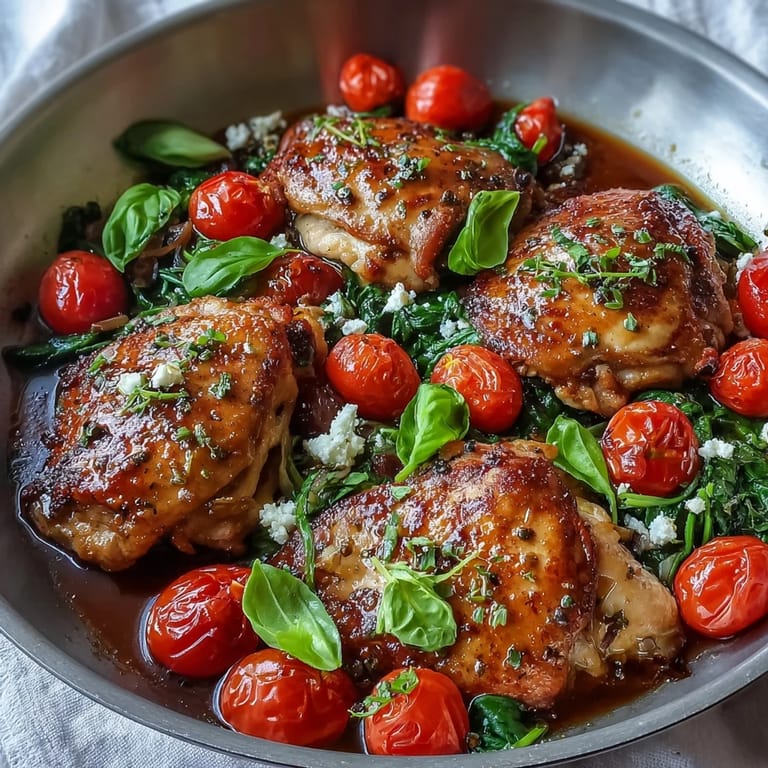
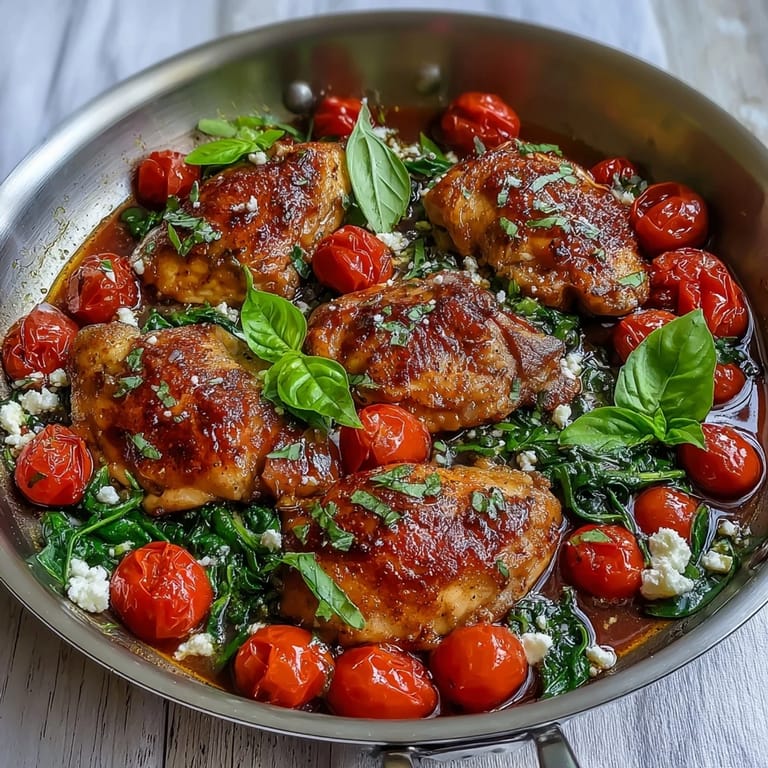
 There's a moment when you uncover that pan and see the spinach has turned that beautiful dark green, the tomatoes are soft and blushed, and the sauce has thickened into something that clings to the chicken—that's when this dish shifts from a weeknight solution into something you actually want to eat again. My partner grabbed seconds without asking and left his plate so clean it barely needed rinsing, which is the highest compliment any cook can receive.
Timing and Temperature Matter
The whole point of this dish is that it comes together quickly, but quick doesn't mean rushed. Give the tomatoes time to soften slightly before you return the chicken so they have a chance to release their juices and sweeten the sauce. The internal temperature of 165°F (74°C) is non-negotiable for food safety, but once you hit that number, you're done—overcooking chicken breast even by a few minutes turns it into something you'd rather not remember.
Variations That Work
I've made this with chicken thighs when I'm feeling like something juicier, and they're honestly hard to mess up because the fat keeps them forgiving. Red pepper flakes add heat if your household enjoys that kind of kick, and I've served it over rice, quinoa, or alongside crusty bread when I want to catch every drop of that glossy sauce. You can swap the spinach for arugula or kale if that's what's in your crisper drawer, though you might need to add it a minute or two earlier since tougher greens need slightly longer to wilt.
Serving and Storage
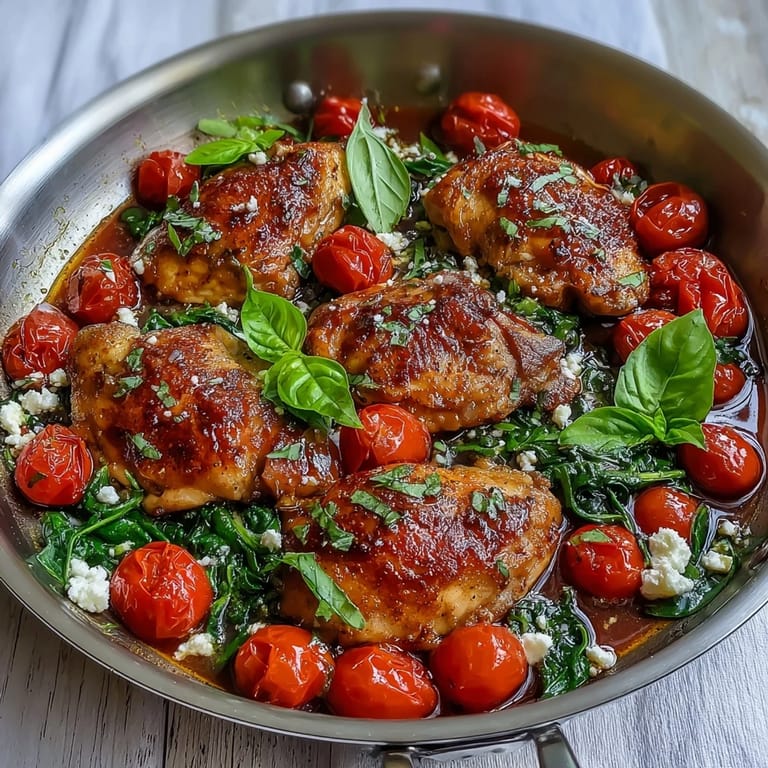
Fresh basil and cheese aren't just nice additions—they're the flourish that makes this feel intentional rather than thrown together, so if you have them on hand, use them. This dish keeps beautifully in the refrigerator for three to four days and actually tastes better as the flavors meld, so it's perfect for meal prep if you're thinking ahead.
- If your balsamic vinegar tastes overly bitter, reduce the amount or choose a younger, sweeter variety from a quality source.
- Pat your chicken completely dry before searing to ensure a proper crust that seals in juices.
- Don't skip covering the pan during the final cooking stage because steam keeps the chicken moist and the sauce silky.
 Save to Pinterest
  Save to Pinterest
 This is the kind of dinner that tastes like you spent all afternoon cooking when you actually spent thirty-five minutes being present and making something nourishing. It's the dish I reach for when I want to impress people but don't want the stress, or when I'm tired and need something simple that feels special anyway.
Recipe Questions
- → Can I use chicken thighs instead of breasts?
Yes, boneless chicken thighs work wonderfully and tend to be more juicy and forgiving. Adjust cooking time to ensure thighs reach an internal temperature of 74°C/165°F.
- → How do I know when the chicken is done?
Use a meat thermometer to check that the thickest part of the chicken reaches 74°C/165°F. The juices should run clear when pierced, and the meat should feel firm but springy.
- → Can I make this ahead of time?
This dish is best enjoyed fresh, but you can prepare the balsamic mixture and chop vegetables in advance. Cook everything just before serving for the best texture and flavor.
- → What can I serve with this chicken?
Crusty bread, rice, quinoa, or mashed potatoes work well to soak up the sauce. A simple green salad or roasted vegetables make great sides too.
- → Is this dish freezer-friendly?
Cooked portions can be frozen for up to 3 months. Thaw overnight in the refrigerator and reheat gently in a pan, adding a splash of water or balsamic vinegar to refresh the sauce.
- → Can I add other vegetables?
Bell peppers, zucchini, or artichoke hearts would complement the flavors well. Add heartier vegetables earlier in the cooking process so they have time to soften.