 Save to Pinterest
 My neighbor Maria handed me a bottle of homemade Limoncello one spring afternoon, insisting I do something special with it. That evening, standing in my kitchen with the golden liqueur catching the light, I realized pound cake was the answer—something that would let that bright citrus shine without competing flavors. The result was this tender, moist cake that somehow tastes like sunshine in edible form, and now it's become my go-to dessert whenever I want to impress without fussing.
I brought this cake to a potluck last June, and watching my friend take that first bite—the way her eyes lit up when she tasted the citrus—reminded me why I love baking. She circled back three times for more slices and asked for the recipe on a napkin before leaving. That's when I knew this wasn't just a nice dessert; it was something that made people genuinely happy.
Ingredients
- All-purpose flour (2½ cups): This is your structure, so don't sift it first—just spoon and level for accuracy, or the cake can turn dry.
- Baking powder (2 tsp): Fresh baking powder matters here; old powder won't give you the tender crumb you're after.
- Salt (½ tsp): This tiny amount amplifies the lemon flavor and balances the sweetness beautifully.
- Unsalted butter (1 cup, softened): Room temperature is non-negotiable—cold butter won't cream properly and you'll lose that light, fluffy texture.
- Granulated sugar (2 cups): The creaming process with butter is where the magic happens; this takes a solid 3-4 minutes and you'll see the mixture transform.
- Large eggs (4, room temperature): Cold eggs won't incorporate smoothly, so leave them on the counter for 30 minutes before you start.
- Lemon zest (1 tbsp, finely grated): Use a microplane and go just for the yellow part; the white pith tastes bitter and will ruin your elegance.
- Fresh lemon juice (¼ cup): Bottled juice is a last resort—fresh makes a noticeable difference in brightness.
- Limoncello (⅓ cup): This is the soul of the recipe, so don't skip it or substitute with vodka thinking it's the same thing.
- Vanilla extract (1 tsp): A small but essential player that rounds out the flavor without announcing itself.
- Whole milk (½ cup, room temperature): Temperature matters because you're alternating with dry ingredients, and cold milk can cause streaking.
- Powdered sugar (1½ cups, sifted): Sifting prevents lumps in your glaze; it takes 30 seconds and saves your presentation.
- Lemon zest for garnish (1 tsp, finely grated): This final touch adds visual appeal and a reminder of what's inside.
Tired of Takeout? 🥡
Get 10 meals you can make faster than delivery arrives. Seriously.
One email. No spam. Unsubscribe anytime.
Instructions
- Set your stage:
- Preheat your oven to 350°F and get that Bundt or loaf pan ready with butter and flour—this only takes two minutes but saves you stress later. Have all your ingredients measured and ready because once you start mixing, you're committed to the rhythm.
- Build the dry foundation:
- Whisk flour, baking powder, and salt in a medium bowl, letting air into the flour as you go. Set it aside and don't touch it until you need it.
- Cream butter and sugar into clouds:
- This is the hardest-working step—use an electric mixer and beat for a full 3-4 minutes until the mixture looks pale and fluffy like mousse. You'll know it's ready when you can draw a line through it with a spatula and it holds for a second.
- Introduce the eggs gently:
- Add one egg at a time, beating well after each one so it fully incorporates before the next arrives. This prevents a grainy texture and ensures everything emulsifies properly.
- Marry in the flavor:
- Add the lemon zest, fresh lemon juice, Limoncello, and vanilla all at once, mixing until the batter looks unified and bright. Don't worry if it looks slightly curdled—it will smooth out in the next step.
- Alternate and fold carefully:
- Start with the flour mixture, then milk, then flour again, mixing only until each addition disappears into the batter—overmixing is the enemy of tenderness. The batter should look smooth and thick, like soft serve ice cream.
- Transfer to the pan:
- Pour everything into your prepared pan and use an offset spatula to smooth the top gently. Tap the pan twice on the counter to release any air bubbles.
- Bake with patience:
- Set a timer for 50 minutes, but don't open the oven door before then—the cake needs uninterrupted time to rise. At 50 minutes, poke the center with a toothpick; if crumbs cling, bake another 3-5 minutes until just a few moist crumbs appear.
- Cool with intention:
- Let the cake rest in the pan for 15 minutes so it firms up, then run a knife around the edges and invert onto a wire rack to cool completely. This prevents the top from cracking and helps the cake release cleanly.
- Make the glaze:
- Whisk powdered sugar, fresh lemon juice, Limoncello if using, and zest until the consistency is pourable but still coats the back of a spoon. If it's too thick, add lemon juice one teaspoon at a time.
- The final flourish:
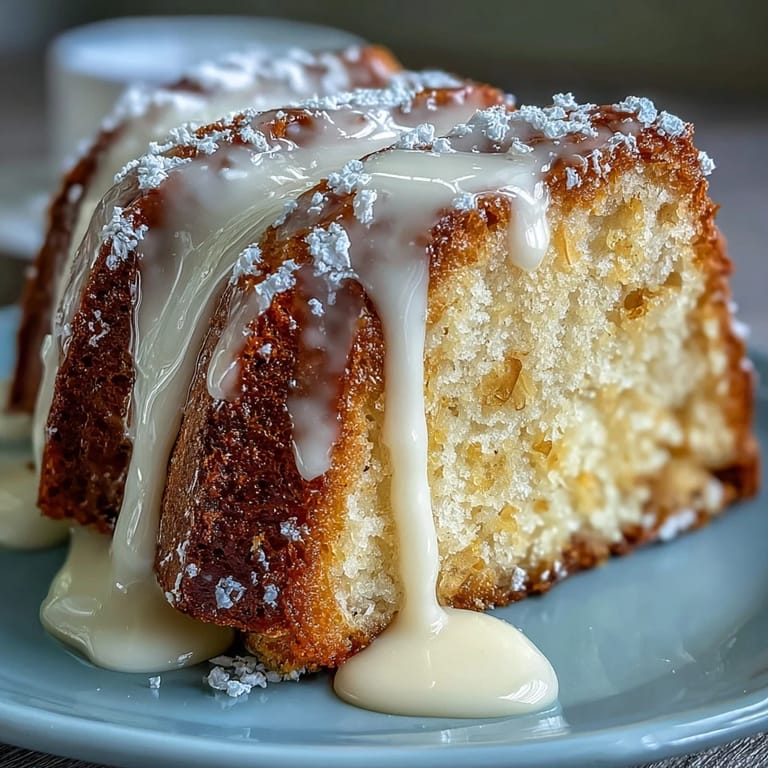
- Once the cake is completely cool, drizzle the glaze over the top slowly, letting it cascade down the sides naturally. Wait 30 minutes before slicing so the glaze sets properly.
 Save to Pinterest
 There's something about serving a slice of this cake with the glaze still glistening under kitchen light that feels like you've done something right. My eight-year-old nephew once said it tasted like lemon candy that turned into cake, which somehow described it better than any recipe ever could.
Why Spring Desserts Matter
Spring is when bright, citrus-forward desserts move from comfort food to celebration. This pound cake captures that moment perfectly—it's substantial enough to feel like real dessert but refreshing enough that you don't feel heavy afterward. The Limoncello adds an adult sophistication that makes it feel special for dinner parties, while the simple preparation means you're not stressed in the kitchen.
Storage and Make-Ahead Magic
One of my favorite discoveries was that this cake actually improves after a day—the flavors deepen and the crumb becomes even more moist. Wrapped tightly in plastic wrap, it keeps for four days at room temperature, or up to a week in the refrigerator if you want to be cautious. You can bake it the day before a gathering, glaze it the morning of, and spend your energy on other things.
Variations and Personal Touches
The beauty of this recipe is how forgiving it is when you want to play around. I've made it with regular milk swapped for buttermilk for extra tang, and once I added a whisper of almond extract that nobody could identify but everyone could taste. For a non-alcoholic version, just use extra lemon juice instead of Limoncello, and the cake still shines—I made it for my mother-in-law who doesn't drink, and she asked for seconds immediately.
- Try candied lemon peel as a garnish for elegance and a hint of chew that complements the tender crumb.
- Serve alongside fresh berries or a scoop of vanilla gelato to amplify the citrus brightness.
- Make mini cakes in a muffin tin if you want individual portions; just reduce baking time to 18-20 minutes.
 Save to Pinterest
 This cake has become my answer to the question of what to bring when someone asks you to bring something delicious. It's the kind of dessert that people remember fondly and ask you to make again.
Recipe Questions
- → Can I make this without alcohol?
Yes, replace Limoncello with extra fresh lemon juice to maintain the citrus flavor without alcohol.
- → What pan is best for baking this cake?
Use a 10-cup Bundt pan or a standard loaf pan greased and floured for easy release.
- → How do I know when the cake is done?
Insert a toothpick into the center; it should come out clean or with a few moist crumbs attached.
- → Can I prepare the lemon glaze in advance?
Prepare the glaze shortly before glazing the cake to keep it smooth and pourable.
- → What are good garnishes to serve with the cake?
Thin lemon slices, candied lemon peel, or fresh berries enhance presentation and flavor.