 Save to Pinterest
 The first time I tasted shakshuka, it wasn't in my kitchen—it was at a cramped Tel Aviv café where the owner was simultaneously greeting regulars, frying eggs, and arguing about politics. The bowl arrived sizzling, still bubbling at the edges, and I watched the yolk break into the crimson sauce like it was the most natural thing in the world. Years later, I realized I'd been chasing that exact feeling: the way a perfectly poached egg transforms something as simple as tomatoes and spices into something that tastes like home, even if home was a thousand miles away.
I once made this for my neighbor who'd just moved in, mostly because I had tomatoes that were getting too ripe and needed rescuing. She came over skeptical about eggs in sauce and left asking me to write down every step. Now whenever I make it, I think about how she was right to be skeptical—it's such an odd combination until you taste it, and then it's obvious why it's been around for centuries.
Ingredients
- Olive oil (2 tbsp): Use good oil here—it's not just fat, it's flavor, and it carries all those spices into the eggs like a little messenger.
- Yellow onion (1 medium, finely chopped): The foundation that'll soften into almost nothing but make everything taste deeper.
- Red bell pepper (1, diced): Add a natural sweetness that balances the heat to come, and it stays slightly toothy even after cooking.
- Garlic (3 cloves, minced): Mince it small and add it late so it stays lively instead of burnt and bitter.
- Red chili (1 small, finely chopped, optional): Fresh heat is always better than dried if you can get it, but this is where you control your comfort level.
- Crushed tomatoes (1 can, 400g): This is your sauce backbone—the canned ones are often picked riper than fresh, so don't skip this thinking fresh is always better.
- Fresh tomatoes (2 medium, chopped): These add texture and a brightness that canned alone can't quite reach.
- Tomato paste (1 tsp): A small amount concentrates all the umami, making the whole sauce taste more intentional.
- Ground cumin (1 tsp): This spice whispers earthiness—it's the quiet voice that makes people ask what you did differently.
- Sweet paprika (1 tsp): The beautiful color comes from here, along with a gentle sweetness that rounds out heat.
- Cayenne pepper (¼ tsp, optional): Use sparingly unless you love fire—this builds fast and tastes hotter than it looks.
- Ground coriander (½ tsp): A hint of something floral and slightly citrusy that most people can't quite name but definitely notice.
- Salt and black pepper (to taste): Season in layers, not all at once, so you can taste what you're actually building.
- Large eggs (4): The fresher, the better—they'll hold their shape more beautifully in the sauce.
- Fresh parsley (2 tbsp, chopped): Bright green and slightly peppery, it's the final note that makes everything taste alive.
- Fresh cilantro (2 tbsp, chopped): Not everyone loves this, but those who do will notice immediately if it's missing.
- Feta cheese (crumbled, optional): Salty, tangy, and it melts slightly into the warm sauce—the luxury touch that costs almost nothing.
Tired of Takeout? 🥡
Get 10 meals you can make faster than delivery arrives. Seriously.
One email. No spam. Unsubscribe anytime.
Instructions
- Heat Your Pan and Soften the Base:
- Pour olive oil into a large skillet over medium heat and let it shimmer for just a moment—you'll hear a subtle sizzle when you add the onion and pepper. Sauté these for 5 to 7 minutes, stirring occasionally, until they lose their raw edge and the pan smells almost sweet.
- Build the Aromatic Layer:
- Add minced garlic and chili, stirring constantly for about a minute—this is when your kitchen will smell unforgettable, and you'll know everything is working. Don't let the garlic brown or it'll turn bitter and all that fragrance becomes sharp instead.
- Create the Sauce:
- Pour in the crushed and fresh tomatoes along with the tomato paste, stirring until everything is evenly mixed. The pan will look almost too wet at first, but trust the process.
- Season and Simmer:
- Sprinkle in all your spices—cumin, paprika, cayenne, coriander, salt, and pepper—and stir well to distribute them evenly throughout the sauce. Let this bubble gently for 10 to 12 minutes, stirring occasionally, while the sauce deepens in color and thickens slightly.
- Create Wells for the Eggs:
- Using the back of a spoon, gently press down to make 4 small indentations in the sauce—these wells will cradle your eggs and keep them from rolling around. The sauce should still be gently simmering but not violently bubbling.
- Add the Eggs and Cook Gently:
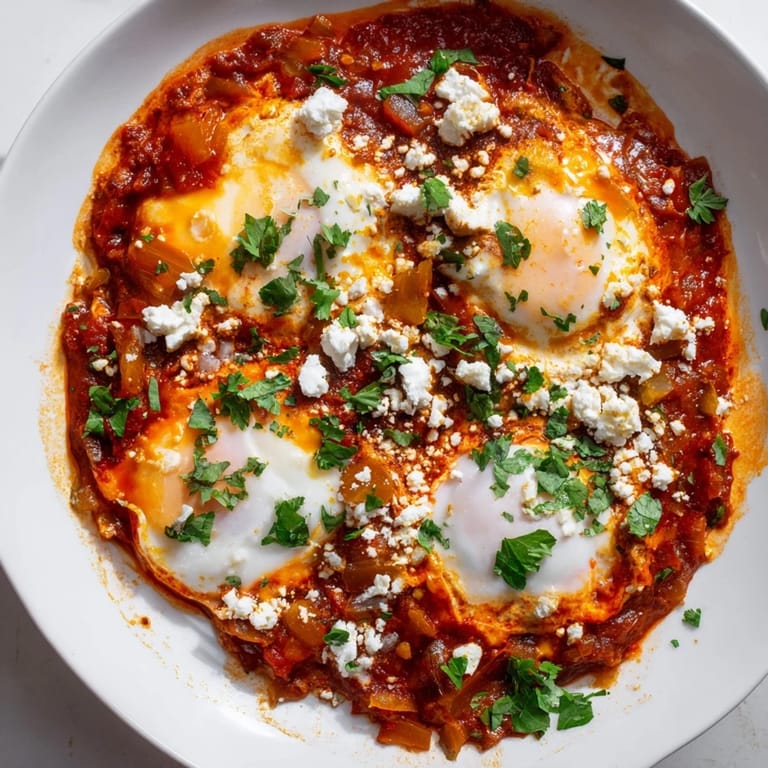
- Carefully crack each egg into a well, letting the white settle into the sauce while the yolk stays mostly intact. Cover the pan and reduce heat to medium-low, then cook for 6 to 8 minutes—the whites will set first, and if you're watching carefully, you'll see the yolk jiggle slightly when the pan moves.
- Finish and Serve:
- Remove from heat and scatter fresh parsley and cilantro across the top, adding crumbled feta if you have it. Serve immediately, ideally with warm pita or crusty bread for scooping up every spoonful of sauce.
 Save to Pinterest
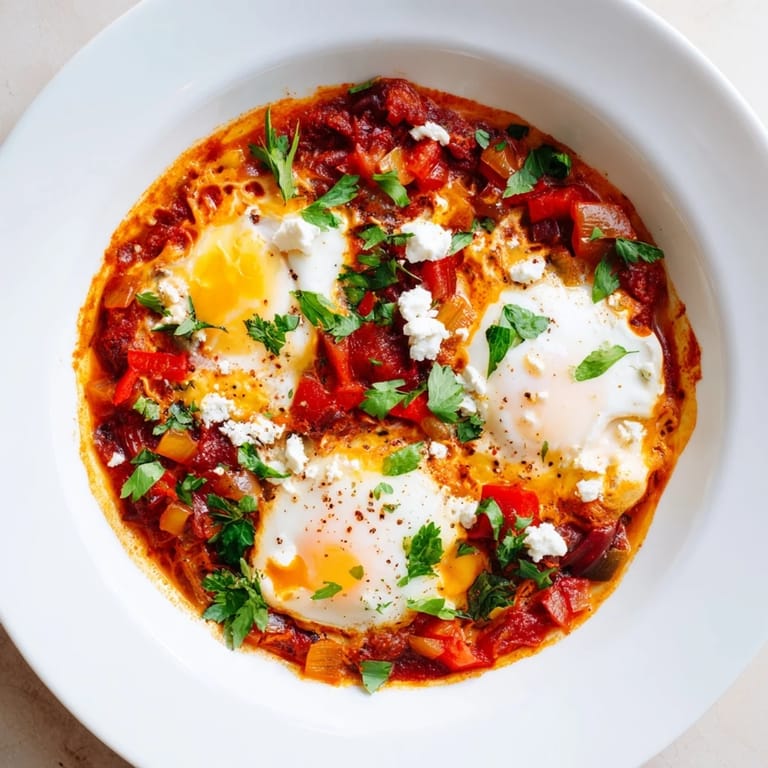
 There's something about eating from the same pan you cooked in—it feels less like a meal and more like a ritual, especially when shakshuka is involved. The first time I passed a skillet to a table of friends and watched them fight over the last egg, I understood why this dish has survived centuries of cooking trends.
The Spice Balance That Changes Everything
Shakshuka lives or dies by how you layer your spices, and this is where instinct matters more than measurements. The cumin grounds everything in earthiness, the paprika adds color and a gentle sweetness, and the coriander brings something floral that elevates the whole dish. If you're nervous about spice, start with just cumin and paprika, taste the sauce at the 10-minute mark, and adjust from there—you can always add heat, but you can't take it back.
Timing the Eggs Just Right
The hardest part isn't making the sauce—it's knowing exactly when your eggs are done, and honestly, it depends on how you feel about yolks. A truly runny yolk will soak into your bread like sauce and taste like luxury, but if you prefer something firmer, just leave the pan on heat a few minutes longer and watch for the wobble to decrease. The cover is your friend here, trapping steam that cooks the eggs from above while the sauce heat works from below.
Make It Your Own
Once you make this basic version a couple of times, you'll start seeing variations everywhere—sautéed spinach stirred in, roasted eggplant chunks, even a dollop of labneh swirled on top instead of feta. The sauce is so forgiving that these aren't really variations, they're just natural evolutions of what you already know how to make.
- A handful of fresh spinach wilted into the sauce adds earthiness and makes you feel healthier while eating eggs in tomato sauce.
- Smoked paprika instead of sweet paprika creates a completely different mood—still delicious, just a bit darker and more mysterious.
- Serve with labneh or Greek yogurt on the side so people can add their own tangy coolness to balance the heat.
 Save to Pinterest
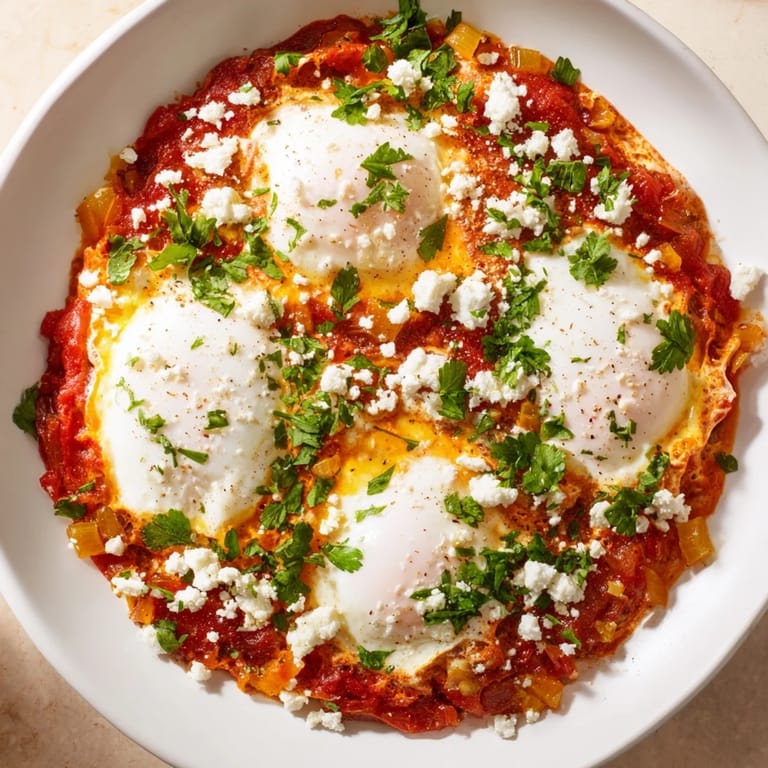
 This dish tastes like it took hours but demands only 35 minutes of your time, which feels like a small miracle. Every time I make it, I'm grateful for whoever invented shakshuka and decided that eggs, tomatoes, and spices belonged together.
Recipe Questions
- → What ingredients create the sauce base?
The sauce combines crushed and fresh tomatoes, olive oil, yellow onion, red bell pepper, and garlic, simmered with spices like cumin, paprika, coriander, and optional chili.
- → How are the eggs cooked in this dish?
Eggs are gently cracked into wells made in the simmering sauce, then covered and cooked until whites set while yolks remain soft and runny.
- → Can the spiciness be adjusted?
Yes, adding or omitting chili and cayenne pepper allows control over the heat level to suit personal taste.
- → What garnishes enhance the flavors?
Fresh parsley and cilantro provide herbal brightness, while crumbled feta adds a creamy, salty contrast if desired.
- → What sides pair well with this dish?
Warm pita bread or crusty loaves complement the saucy texture perfectly, and labneh or Greek yogurt can be served alongside for creaminess.