 Save to Pinterest
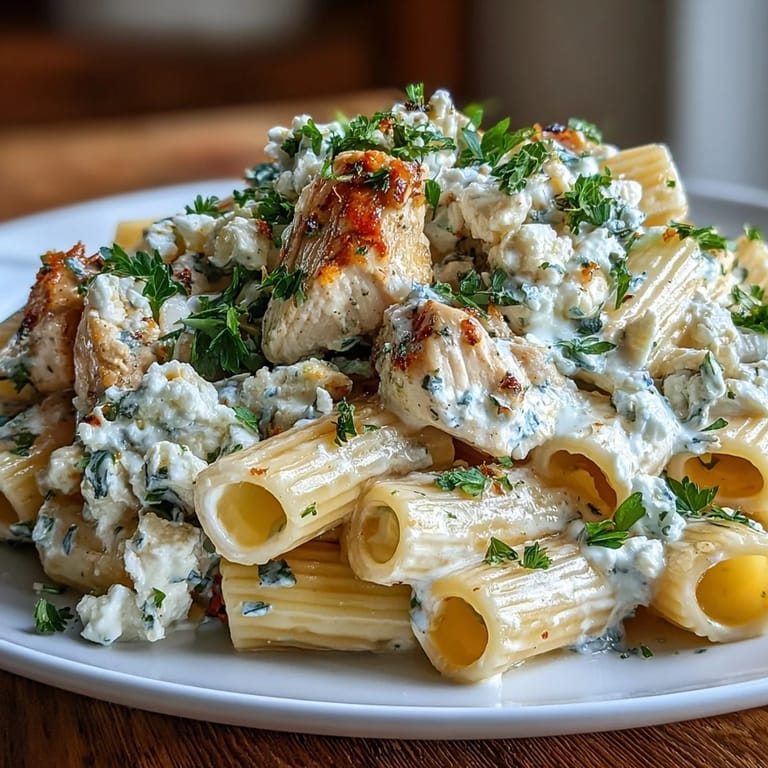
 There's something about the way lemon and feta come together that stopped me mid-recipe one weeknight when I was trying to use up cream that was about to expire. I threw chicken into a pan, squeezed a lemon half-thinking, and suddenly the kitchen smelled like a Greek island instead of my tiny apartment. Forty minutes later, my partner was already reaching for seconds before I'd even sat down. This pasta became the dish I make when I want to feel like I've done something fancy without the actual fussing.
I made this for my sister who'd been studying all semester, and watching her eyes light up at the first bite made me realize food really is a form of kindness. She kept asking if I'd added some secret ingredient, and when I told her it was just good lemon and patience, she made me promise to write it down so she could make it in her dorm. The fact that it's simple enough for that to actually happen is kind of the whole point.
Ingredients
- Penne or rigatoni, 340 g (12 oz): Use whichever shape you have; the ridges help the sauce cling, but honestly, a short pasta is all you need here.
- Boneless, skinless chicken breasts, 2 large (about 450 g / 1 lb), cut into bite-sized pieces: Cutting them uniform-ish means they cook at the same rate, which saves you from some pieces being rubbery.
- Dried oregano, 1 tsp: This is your anchor to the Greek flavor profile; don't skip it or swap it casually.
- Salt and freshly ground black pepper, 1/2 tsp each: Taste as you go, because seasoning the chicken at the start makes a real difference.
- Olive oil, 2 tbsp: Good oil isn't wasted here; it carries flavor and helps the chicken brown properly.
- Garlic, 3 cloves, minced: Fresh garlic will smell incredible when it hits the hot pan, and that's your cue everything is going right.
- Lemon, 1 large (zest and juice): Zest it before you cut it, because once it's halved, you'll squeeze it everywhere and forget; the zest brings brightness that juice alone cannot deliver.
- Heavy cream, 180 ml (3/4 cup): This is what makes the sauce velvet, but it's balanced by the tang of lemon and feta so it never feels heavy.
- Chicken broth, 60 ml (1/4 cup): Adds gentle saltiness and depth without overpowering the delicate lemon note.
- Feta cheese, crumbled, 100 g (3.5 oz): Buy a block and crumble it yourself if you can; pre-crumbled feta sometimes has anti-caking agents that affect the sauce texture.
- Parmesan cheese, grated, 50 g (1/2 cup): Freshly grated melts smoother and tastes sharper than pre-grated, which matters when you're building a delicate sauce.
- Fresh parsley, 2 tbsp chopped: Stir most of it in at the end so some stays bright green and herbaceous rather than fading into the heat.
Tired of Takeout? 🥡
Get 10 meals you can make faster than delivery arrives. Seriously.
One email. No spam. Unsubscribe anytime.
Instructions
- Start your pasta water:
- Fill a large pot about three-quarters with salted water and get it boiling while you prep everything else. This way nothing sits around waiting, and your timing flows naturally.
- Season and sear the chicken:
- Toss your chicken pieces with oregano, salt, and pepper in a bowl, then heat olive oil in a large skillet over medium-high heat until it shimmers. Add the chicken and let it sit undisturbed for a minute or two so it browns instead of steaming, then stir and cook until golden and cooked through, about 6 to 8 minutes total.
- Build the sauce base:
- Transfer the chicken to a plate and add minced garlic to the same skillet for just 30 seconds, until the smell hits you and you know it's ready. Pour in your lemon zest, lemon juice, heavy cream, and chicken broth, then bring everything to a gentle simmer where little bubbles appear around the edges.
- Melt in the cheese:
- Reduce heat to low and whisk in the feta and Parmesan slowly, which prevents them from seizing up and turning grainy. The sauce will look silky and almost glossy when it's ready.
- Cook the pasta:
- By now your pasta should be almost done in its pot; cook it until it's al dente, then drain it while reserving about half a cup of that starchy cooking water. This water is magic for loosening the sauce if it gets too thick.
- Bring it all together:
- Return the cooked chicken to the skillet with the sauce, add the drained pasta, and toss everything gently to coat. Add reserved pasta water a splash at a time if the sauce seems thick, stirring in most of the fresh parsley so it stays bright.
- Taste and finish:
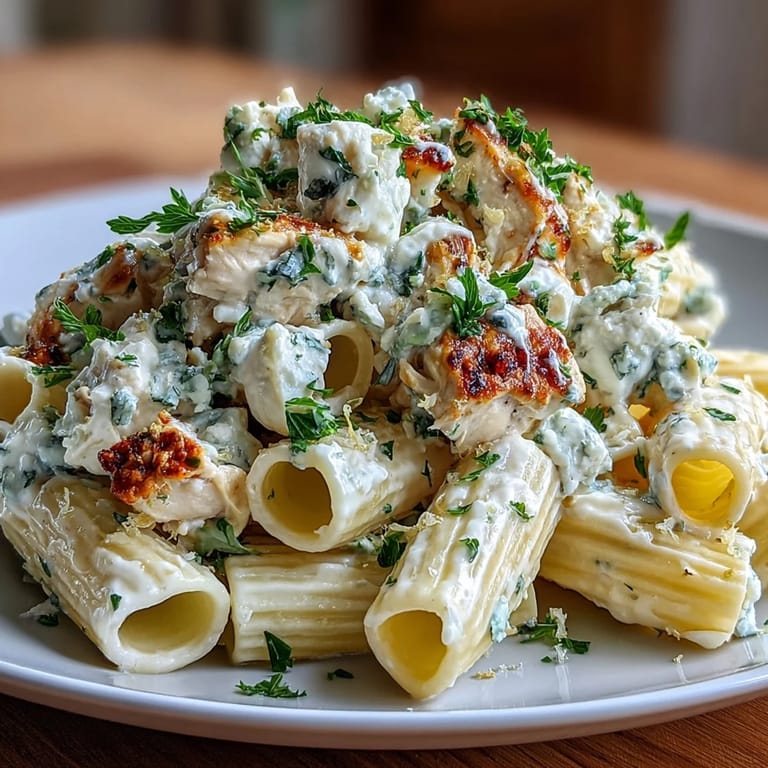
- Taste for salt and pepper because the cheeses are salty already, but a crack of fresh pepper makes the lemon sing. Serve immediately while the sauce is still creamy and warm.
 Save to Pinterest
 There was this moment when a friend came over unexpectedly on a Thursday and I threw this together without thinking, and they asked if I'd been cooking all day. That feeling of making something elegant-seeming without stress is what keeps me coming back to this recipe. It turned a random evening into something that felt intentional and warm.
The Magic of Lemon and Feta
Lemon and feta are a pair that works because they're both assertive but in opposite ways. The acid cuts through cream and makes it taste lighter, while the feta's saltiness and slight tanginess doubles down on the brightness. I realized this when I tasted the sauce before adding pasta and thought, how is something with this much cream not sitting heavy in my mouth? It's because the lemon is doing real work, not just flavoring.
When You Want to Change Things Up
This dish is flexible in ways that matter. I've added baby spinach by tossing it in with the pasta so it wilts from the residual heat, and I've stirred in halved cherry tomatoes when I had them. A friend who's watching calories swaps half the cream for Greek yogurt, which surprisingly works because the tang amplifies rather than conflicts with the lemon. The bones of the recipe stay the same even when you improvise.
Serving and Pairing
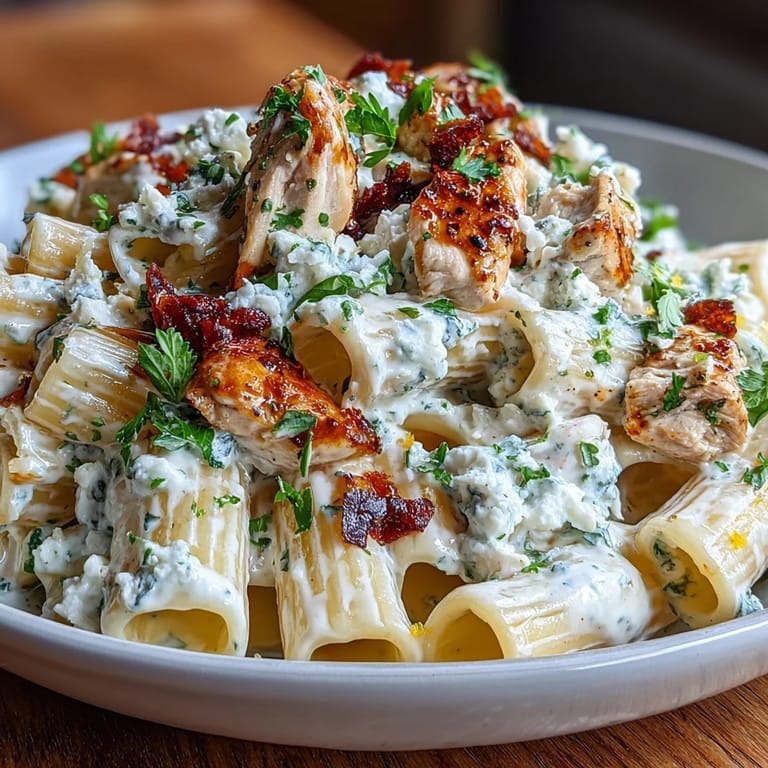
This pasta wants a simple salad beside it and a crisp white wine if you're having wine, because the acid in both plays nice with the sauce. I usually throw together some greens with a bright vinaigrette while the pasta cooks, which takes three minutes and balances the meal without making you feel like you've overdone it. It's the kind of dinner that looks composed but feels easy, which is honestly the goal.
- A squeeze of fresh lemon over each bowl at the table means everyone can adjust the brightness to their taste.
- Extra crumbled feta and a scatter of parsley on top is not decoration; it's part of the dish and adds texture.
- Serve it hot and eat it right away because the sauce thickens as it cools and loses some of its elegance.
 Save to Pinterest
 This is the kind of recipe that earns its place in regular rotation because it asks almost nothing of you but delivers something that feels special. Make it on nights when you want to feel like you tried without the stress of actually trying that hard.
Recipe Questions
- → Can I make this pasta ahead of time?
The sauce thickens considerably when refrigerated. For best results, cook pasta and sauce separately, then combine just before serving with a splash of warm pasta water to restore creaminess. The dish is most enjoyed freshly made.
- → What pasta shapes work best?
Penne and rigatoni capture the silky sauce beautifully in their ridges and tubes. Fusilli, farfalle, or ziti also work wonderfully. The tubular shapes help hold the thick lemon cream coating.
- → How can I lighten this dish?
Replace half the heavy cream with Greek yogurt for tangy protein while maintaining richness. Adding baby spinach increases volume and nutrition without compromising the luxurious texture.
- → Can I use chicken thighs instead?
Boneless skinless chicken thighs work excellently, offering more juiciness and flavor. Adjust cooking time slightly to ensure thorough cooking—about 8–10 minutes until golden and no longer pink.
- → What wine pairs well with this pasta?
A crisp Sauvignon Blanc cuts through the rich cream beautifully. Greek Assyrtiko offers authentic regional pairing. For red wine lovers, a light Pinot Noir complements without overwhelming the delicate lemon notes.
- → Can I freeze leftovers?
Dairy-based sauces can separate when frozen. If freezing, skip the final toss and freeze pasta and sauce separately. Reheat gently on the stovetop, adding fresh cream or pasta water to restore consistency.