 Save to Pinterest
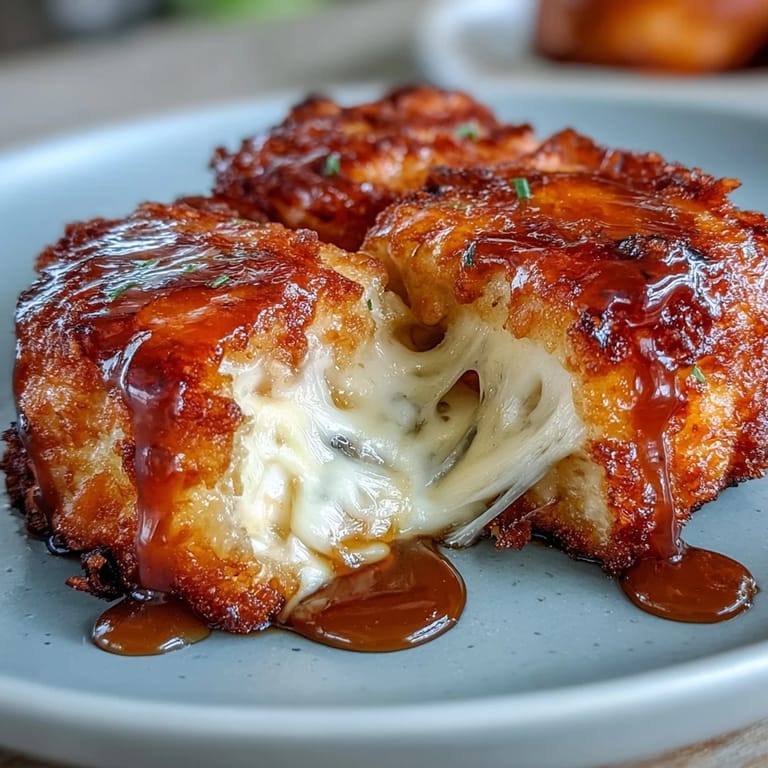
 The smell of caramelized soy and melting cheese stopped me mid-step the first time I made these. I was craving something warm and chewy, and a friend mentioned imomochi offhand during a call. I didn't follow a recipe exactly—I just mashed potatoes, folded in some starch, stuffed them with whatever cheese I had, and fried them until they turned golden. The glaze happened because I thought they looked plain, so I whisked together what was in my pantry and poured it over.
I remember serving these at a small dinner party where everyone was too polite to take the last one. Eventually, my brother broke the silence and just grabbed it, and suddenly the whole plate was fair game again. There's something about food that's crispy, cheesy, and slightly sweet that makes people forget their manners in the best way. I've made them dozens of times since, tweaking the glaze or swapping cheeses depending on what I find in the fridge. They never last long.
Ingredients
- Russet potatoes: Their starchy texture is key for getting that soft, chewy mochi-like bite—waxy potatoes won't give you the same result.
- Potato starch or cornstarch: This binds the dough and adds bounce; cornstarch works in a pinch but potato starch is more authentic.
- Unsalted butter: A small amount enriches the dough and adds a subtle creaminess without overpowering the potato.
- Salt: Essential for balancing sweetness and bringing out the flavor of the potatoes and cheese.
- Mozzarella cheese: Melts beautifully and stretches when you bite in; you can use cheddar or gouda if you want something sharper.
- Soy sauce: The backbone of the glaze, adding umami depth and a salty richness.
- Honey: Balances the soy with natural sweetness and helps the glaze stick and caramelize.
- Mirin: Adds a gentle sweetness and a hint of acidity that rounds out the glaze.
- Rice vinegar: Cuts through the richness and keeps the glaze from becoming too heavy.
- Neutral oil: For frying—canola or vegetable oil works perfectly and won't interfere with the flavors.
Tired of Takeout? 🥡
Get 10 meals you can make faster than delivery arrives. Seriously.
One email. No spam. Unsubscribe anytime.
Instructions
- Boil the potatoes:
- Drop the chopped potatoes into salted boiling water and cook until a fork slides through easily, about 12 to 15 minutes. Drain them well so no excess water dilutes the dough.
- Mash and season:
- Mash the hot potatoes until completely smooth, then stir in the butter and salt while everything is still warm. The heat helps the butter melt evenly into the potatoes.
- Form the dough:
- Add the potato starch and knead gently until you get a soft, slightly sticky dough that holds together. If it's too wet, sprinkle in a bit more starch until it's workable.
- Stuff with cheese:
- Divide the dough into 8 portions, flatten each into a disc, tuck a cheese cube in the center, and pinch the edges to seal it completely. Roll it gently into a smooth ball.
- Pan-fry until golden:
- Heat the oil in a nonstick skillet over medium heat and add the dumplings, turning them every couple of minutes until all sides are crisp and golden brown. This takes about 6 to 8 minutes total.
- Glaze and finish:
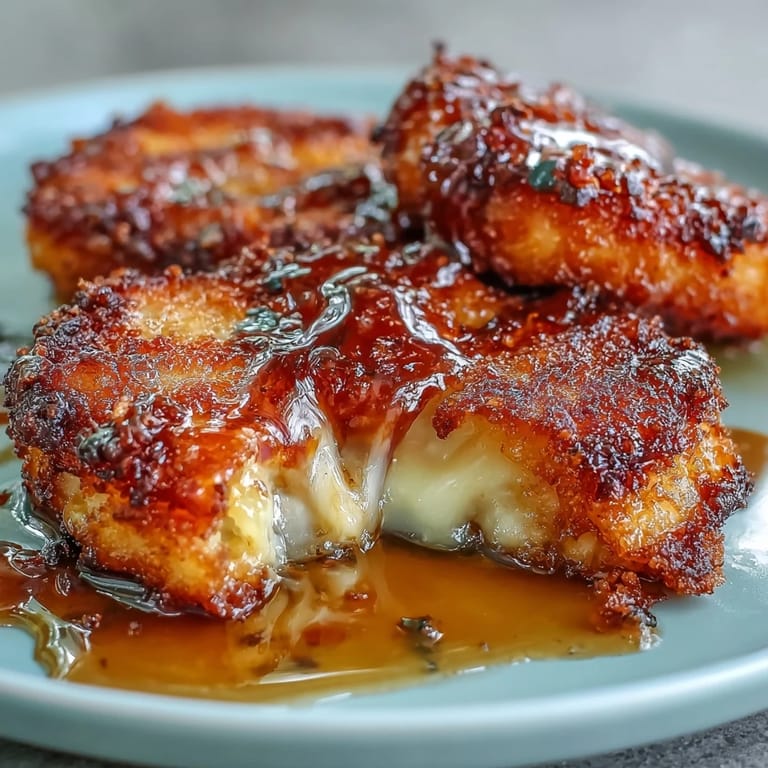
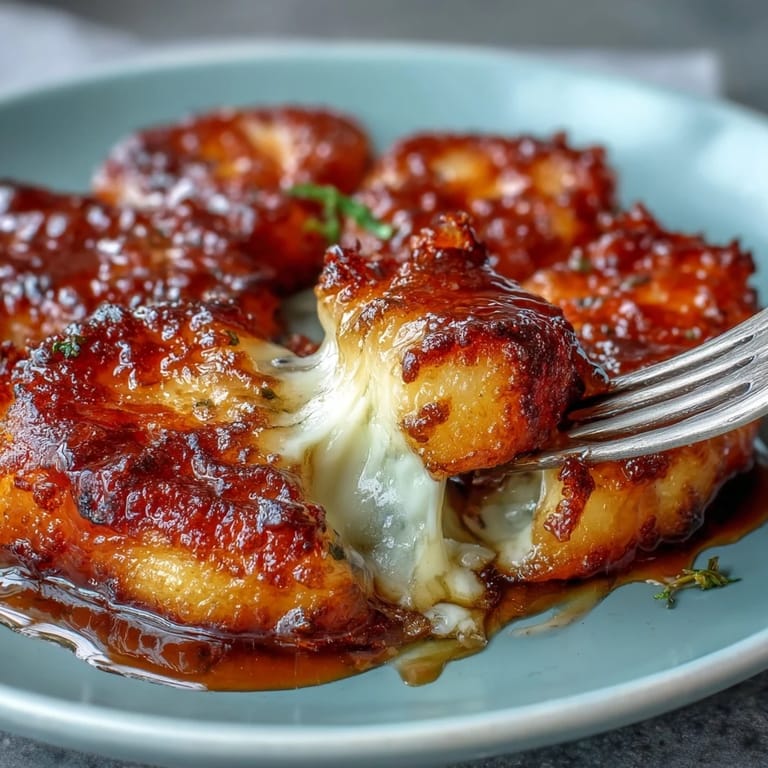
- Mix the soy sauce, honey, mirin, and rice vinegar, then pour it into the skillet with the dumplings. Toss gently and cook for another minute or two until the sauce thickens and clings to each piece like a shiny coat.
 Save to Pinterest
 One evening I made a double batch and ate half of them standing at the stove, dipping each one back into the leftover glaze pooled in the pan. My partner walked in and asked if I was planning to save any, and I just laughed because by then it was already too late. These have become the kind of thing I make when I need something comforting and quick, or when I want to impress someone without much effort. They're that rare recipe that feels both nostalgic and exciting every single time.
How to Store and Reheat
You can refrigerate leftovers in an airtight container for up to three days, though they're always best fresh. To reheat, warm them in a skillet over medium-low heat with a tiny drizzle of oil until they crisp up again—microwaving makes them gummy. If you want to prep ahead, you can shape the dumplings and freeze them uncooked on a tray, then transfer to a freezer bag once solid. Fry them straight from frozen, adding a couple extra minutes to the cooking time.
Flavor Variations to Try
I've swapped mozzarella for sharp cheddar when I wanted something bolder, and once used smoked gouda which added an unexpected richness. You can also mix a little grated Parmesan into the dough itself for extra umami. For a spicy kick, add a few drops of chili oil to the glaze or sprinkle shichimi togarashi on top before serving. If you're feeling adventurous, tuck a small piece of cooked bacon or a shiso leaf inside with the cheese—it changes the whole experience.
Serving Suggestions
These are perfect as a snack on their own, but I love pairing them with a crisp cucumber salad dressed in rice vinegar and sesame oil to cut through the richness. They also work beautifully alongside miso soup or a light noodle dish. If you're serving them as an appetizer, garnish with thinly sliced scallions and toasted sesame seeds for a little color and crunch.
- Serve with pickled vegetables or a simple slaw for contrast.
- Pair with cold beer or green tea for a casual, comforting meal.
- Double the glaze and drizzle extra over the top just before serving for maximum flavor.
 Save to Pinterest
 There's something deeply satisfying about biting into something you made from scratch that tastes this good. I hope these become a favorite in your kitchen the way they have in mine.
Recipe Questions
- → Can I use a different type of cheese?
Yes, mozzarella works best for its meltiness, but cheddar, gouda, or even cream cheese are excellent alternatives that add different flavor profiles.
- → What if I don't have potato starch?
Cornstarch is a great substitute and works just as well to bind the dough. You can also use tapioca starch for a slightly chewier texture.
- → Can I make these ahead of time?
Absolutely. Form the dumplings and refrigerate for up to 24 hours before frying. You can also freeze them uncooked for up to 1 month and fry directly from frozen, adding a few extra minutes.
- → How do I prevent the dumplings from sticking to the pan?
Use a good nonstick skillet and ensure it's properly heated with enough oil before adding the dumplings. Avoid moving them too much initially to allow a crust to form.
- → Is this dish gluten-free?
Yes, as long as you use gluten-free soy sauce (tamari). The potato starch and other ingredients are naturally gluten-free.
- → What can I serve with Chīzu Imomochi?
These pair beautifully with a crisp green salad, pickled vegetables, or as part of a Japanese appetizer spread alongside edamame and gyoza.